
Justice Department settles South Carolina military-voter case before the fight gets any uglier
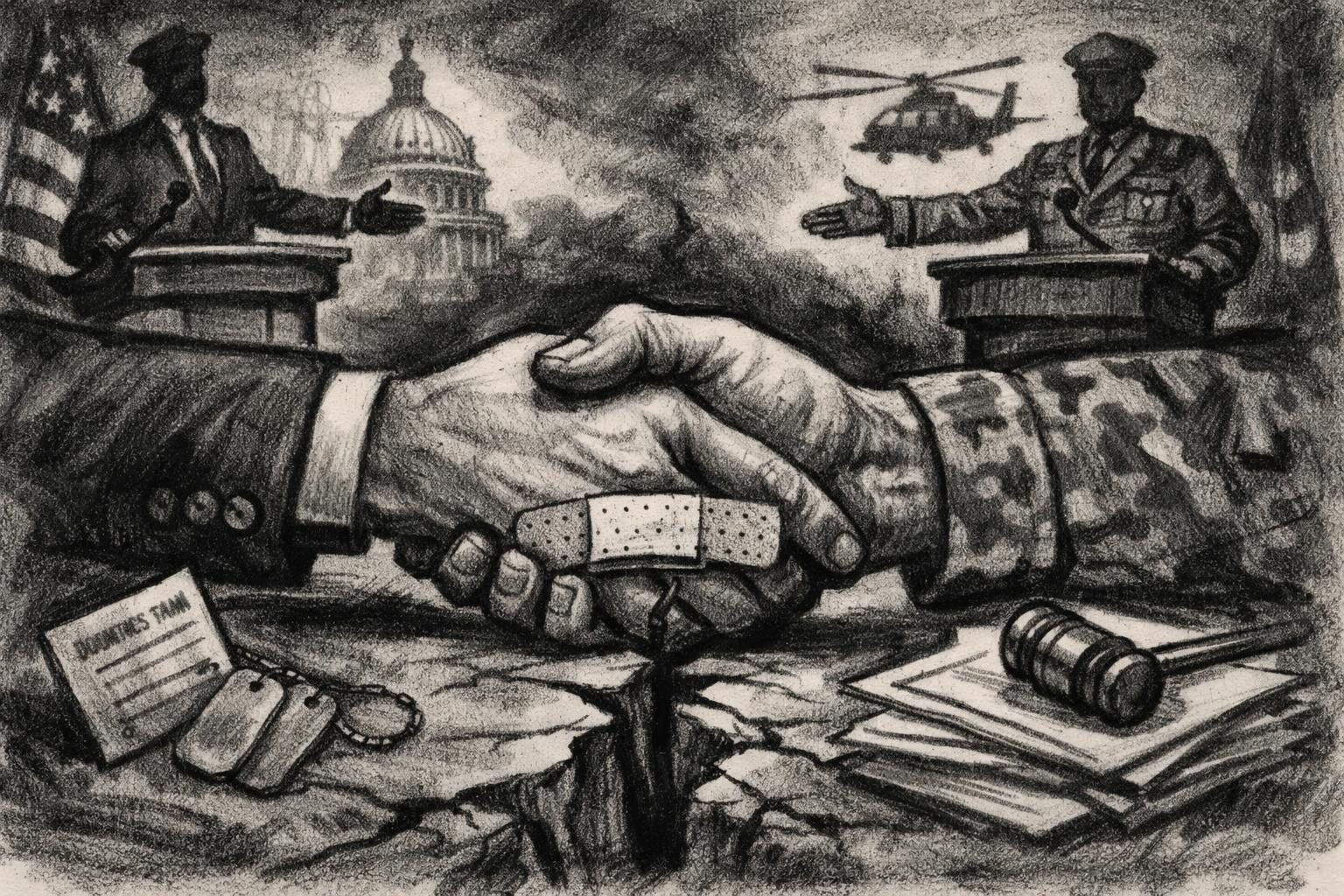
Federal officials have reached an agreement with South Carolina meant to protect military and overseas voters in the state’s special primary election and the runoff that follows, a development that says as much about the condition of election administration as it does about this one contest. The arrangement came after the Justice Department raised concerns about whether the state’s election process was fully meeting the obligations that apply to voters covered by federal protections. In practical terms, that means the government saw enough risk in the existing setup to step in before ballots, deadlines, and mailing rules could turn a routine election calendar into a rights dispute. The fact that this had to happen at all is the real story: election systems are supposed to work without constant rescue operations, but here the fix arrived midstream rather than in advance. For voters stationed abroad or serving in the military, the stakes are not theoretical, because a missed transmission window or a defective procedure can shut them out entirely.
That makes this less a ceremonial announcement than a reminder that the machinery of voting still depends heavily on enforcement. Military and overseas voters occupy a uniquely vulnerable place in the election system because they are forced to work across distance, time zones, and postal delays that most domestic voters never have to think about. When state procedures do not account for those realities, the consequence is not inconvenience but disenfranchisement, whether by late delivery, confusing deadlines, or some other bureaucratic snag that no one notices until it is too late. The agreement suggests federal officials believed South Carolina’s process needed adjustments to better align with those protections, although the precise mechanics of the fix are less important than the fact that a formal intervention was necessary. That is not exactly a confidence-building sign for a system that is constantly advertised as secure, orderly, and self-correcting. It is more like a flashing warning that election access still gets repaired case by case, one state at a time.
The broader significance goes beyond South Carolina because this kind of problem has become a familiar pattern in election law. Advocates for voting rights have long argued that the biggest threats to participation are often not sweeping conspiracies or dramatic headline-grabbers, but ordinary administrative failures that hit hardest in the places where people are least able to absorb them. Military and overseas voters are especially exposed because their ability to participate can hinge on details as mundane as whether a ballot is transmitted correctly, whether instructions are clear, or whether a deadline leaves enough room for mail to do its job. When the federal government secures an agreement of this kind, it effectively creates a compliance framework that can be monitored and enforced, which is a step forward compared with relying on good intentions alone. Still, the existence of such an agreement also shows that the state had not arrived there on its own. That is the part that should bother anyone who believes the voting process ought to be boringly dependable rather than legally fragile.
There is also a political lesson hiding inside the procedural language. Even in a climate where election administration is often treated as a partisan cudgel, federal civil-rights enforcement continues to operate in the background, forcing corrections when access appears to be at risk. The immediate effect should be straightforward enough: eligible military and overseas voters in the special primary and runoff should have a clearer, more reliable path to casting ballots. The longer-term effect depends on whether South Carolina treats this as a real correction or merely as a pressure valve released to avoid a bigger conflict. If the state follows through, the agreement may prevent a repeat problem and make the process sturdier for the next election cycle. If not, the dispute will just return in a different form, which is often how these cases go when officials mistake a settlement for a solution. Either way, the episode reinforces an uncomfortable truth about American voting rights: the legal promise of access is still only as good as the systems that carry it out, and those systems too often need outside supervision before they work the way they should.
Comments
Threaded replies, voting, and reports are live. New users still go through screening on their first approved comments.
Log in to comment
No comments yet. Be the first reasonably on-topic person here.