
Justice Department sues Maryland over sanctuary policy fight
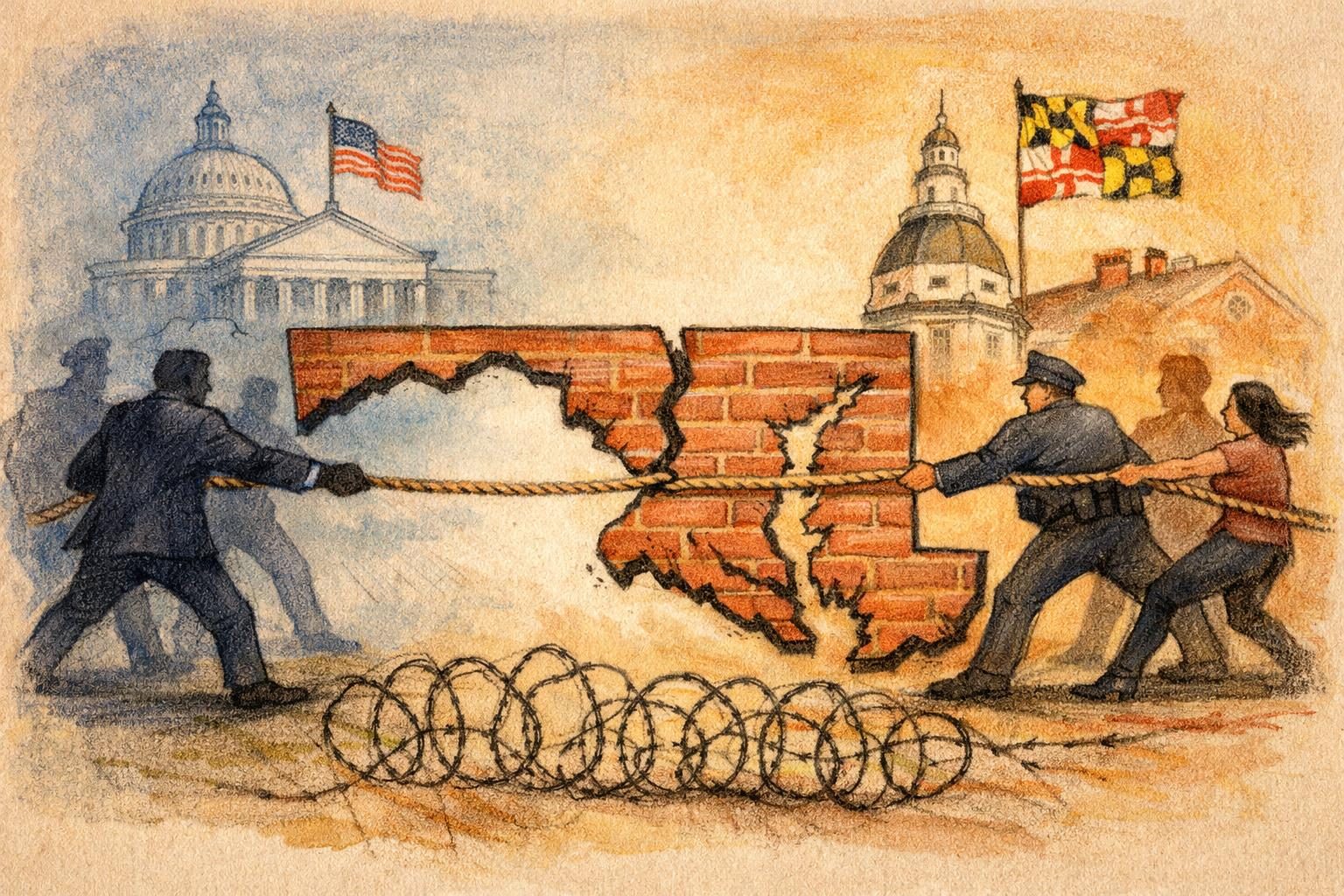
The Justice Department has taken a fresh swing at one of the most politically charged fronts in the immigration fight, filing a lawsuit on Aug. 9 against Maryland and state Attorney General Anthony Brown over what it describes as sanctuary policies that interfere with federal enforcement. The complaint is part of a wider federal effort to challenge blue-state limits on cooperation with immigration authorities, and it arrives as the administration continues to use the courts to press its deportation agenda. At its core, the case is about control: who gets to decide how far state and local officials must go in helping federal agents identify, detain, or transfer people accused of immigration violations. Maryland is now being asked to defend policies that, in the Justice Department’s view, make federal law harder to carry out. The filing does not just add another lawsuit to the docket; it signals that sanctuary policy remains a live target in a broader campaign to force compliance through litigation rather than negotiation.
The department’s argument is likely to rest on preemption, the legal principle that federal law overrides conflicting state policy. That is a familiar frame in sanctuary disputes, but the stakes are still significant because these fights are rarely only about legal theory. Sanctuary rules often set the terms for how jails, police departments, and prosecutors interact with immigration authorities, and those everyday rules can determine whether federal agents have an easy path to custody or must work harder to find someone. By challenging Maryland directly, the department is putting pressure on the state to open those channels wider and is also testing whether states can maintain limits on cooperation without being accused of obstructing federal authority. Supporters of the lawsuit will likely say the federal government should not have to operate around state-imposed barriers, while critics are likely to argue that Washington is trying to compel local governments to spend resources on immigration enforcement they do not want to carry out. Either way, the case goes beyond a single policy dispute and into a larger struggle over the boundaries of federal power.
The practical impact could extend well beyond Maryland if the lawsuit becomes another model for similar actions in other states. Local officials in jurisdictions with sanctuary-style policies may now have to decide whether to defend those rules in court, revise them to reduce legal exposure, or brace for the possibility that federal lawsuits will continue to arrive in waves. That creates financial and administrative pressure even before any ruling is handed down, because litigation of this kind can be expensive and time-consuming for state and local governments. It also puts police, jail administrators, and prosecutors in an awkward position, since they can become collateral participants in a legal fight that is ultimately about immigration policy set in Washington. For communities that have long treated these rules as a buffer between local law enforcement and federal deportation efforts, the case is a reminder that those buffers can be challenged directly. For the administration, that may be part of the point: to make sanctuary policies themselves the battleground and to force states to spend their energy defending the limits they have chosen.
The lawsuit also reflects a broader shift in how immigration enforcement is being prosecuted politically. Rather than focusing only on border crossings or individual removal cases, federal officials are now pressing the fight into statehouses, county jails, and local law enforcement practices. That approach turns administrative choices into constitutional test cases and makes immigration policy feel less like a discrete federal function and more like a contest over the shape of government itself. Maryland’s response will matter not only for the specifics of its own policies but also for whether other jurisdictions think they can preserve similar limits under legal pressure. If the Justice Department succeeds, the ruling could weaken a tool that cities and states have used to resist what they see as federal overreach. If Maryland prevails, sanctuary jurisdictions may see the outcome as a sign that they can continue setting their own cooperation rules, even as the federal government keeps trying to push them back. Either way, the lawsuit makes clear that the sanctuary fight is far from over, and that the next phase may be decided less in legislatures than in courtrooms.
Comments
Threaded replies, voting, and reports are live. New users still go through screening on their first approved comments.
Log in to comment
No comments yet. Be the first reasonably on-topic person here.