
Federal Reserve holds the line after pressure campaign
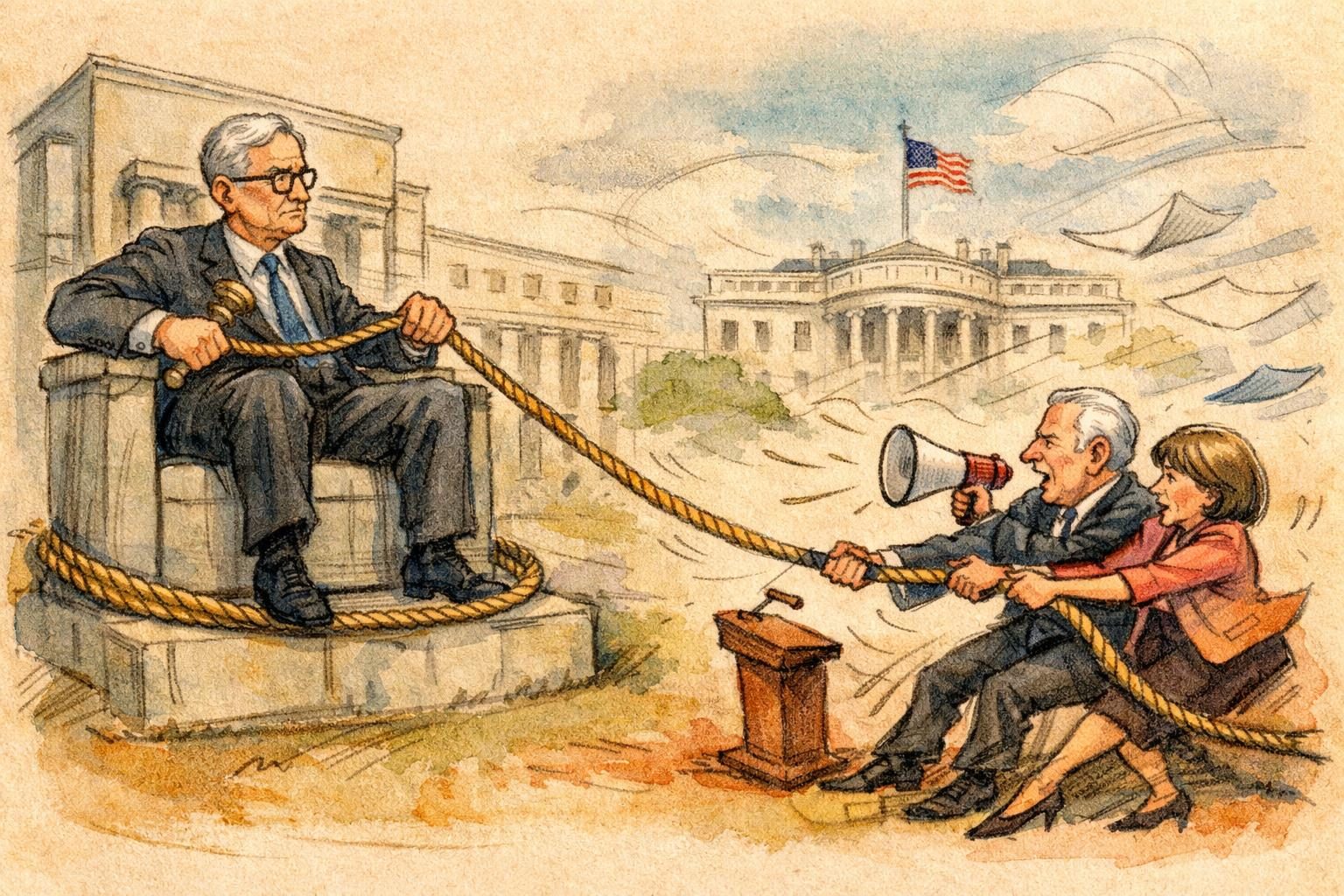
The Federal Reserve once again held its policy line, leaving short-term interest rates unchanged and signaling that it is not prepared to be pushed around by the White House’s loud campaign for easier money. The decision was not a shock, but that is part of the point: when the central bank chooses to do nothing in the face of political pressure, the nothing is the statement. The administration has spent months trying to frame the Fed as an obstacle to growth and a drag on households, but the latest move suggests the central bank is still making its own call about inflation, employment, and financial conditions. That is a direct reminder that monetary policy is not an executive order waiting to be signed. It is a separate governing power with its own mandate, and for now it is acting like one.
The standoff matters because the White House has treated rate cuts as though they were a matter of persuasion, when in practice they are a matter of institutional judgment. The administration can complain, hint, pressure, and posture, but it cannot simply command cheaper borrowing costs the way it can direct a cabinet agency. That distinction may sound technical, yet it has real effects on mortgage rates, auto loans, business credit, and the broader cost of money in the economy. Each time the Fed declines to move, it reinforces the idea that the central bank is looking at its own data rather than at the political calendar. That is especially uncomfortable for an administration that wants faster growth on demand and would prefer to convert monetary policy into a campaign talking point.
For critics of the White House, the latest Fed statement fits a familiar pattern. The administration raises the volume, frames disagreement as obstruction, and suggests that patriotic duty requires a softer policy stance. The Fed, meanwhile, keeps its attention on conditions it says matter most, including inflation pressure and labor-market durability, and refuses to pretend that political frustration changes the numbers. Supporters of the administration may argue that the central bank has been too cautious and that families are still feeling the pinch of high borrowing costs. That argument is not trivial, and the Fed’s restraint may prove correct or overly conservative depending on how the economy develops. But the immediate fact remains the same: the pressure campaign has not produced compliance, and the central bank is still behaving like an independent institution rather than a branch office of the campaign.
That makes the episode less dramatic than a court showdown or a legislative defeat, but not insignificant. It exposes the limits of presidential influence in a place where rhetoric is cheap and institutional independence is expensive to challenge. The White House can keep trying to create a narrative in which blame for the economy lies somewhere else, but the Fed’s refusal to budge prevents any quick victory lap and keeps the argument alive over who, exactly, gets to steer the economy. For markets, the message is usually clearer than the politics: the central bank is still willing to wait, and waiting is its own kind of decision. For the administration, the message is less flattering and harder to spin. Sometimes the most important answer in Washington is not yes, but no, and this time the Fed has made that answer plain.
Comments
Threaded replies, voting, and reports are live. New users still go through screening on their first approved comments.
Log in to comment
No comments yet. Be the first reasonably on-topic person here.