
Federal court nukes a travel-and-work ban policy targeting 39 countries
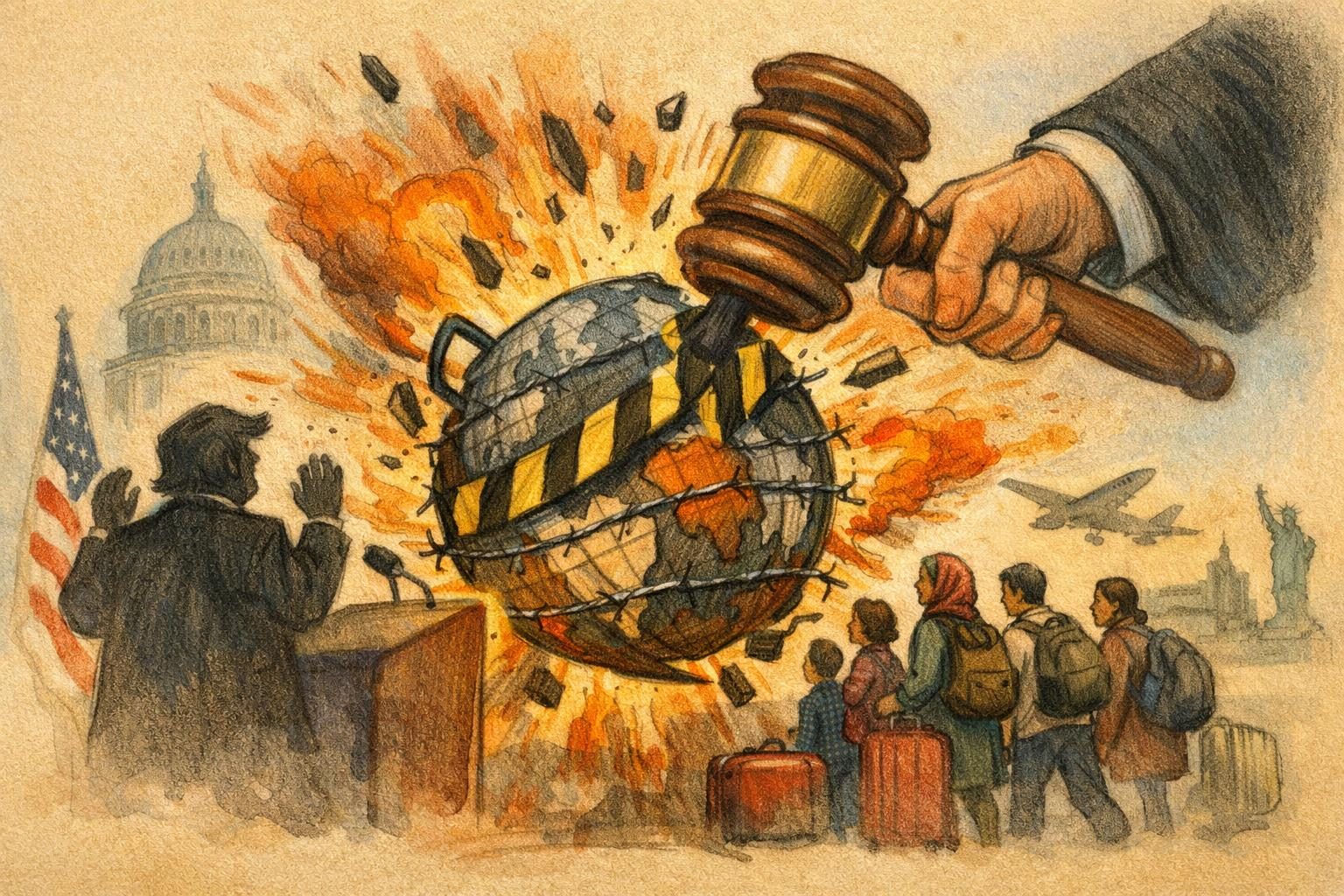
A federal judge has thrown out a Trump administration immigration policy that froze or blocked final decisions for people from 39 countries, handing the White House a sharp legal defeat in one of its most sweeping attempts to tighten the system. The policy had effectively stalled a range of applications, including asylum claims, work permits, green cards, and citizenship cases, leaving thousands of people in bureaucratic limbo while their futures were put on pause. The administration adopted the restriction after the shooting of two National Guard members last year, and it presented the move as a national-security measure. The court was not persuaded that the government had actually done the work required to justify such a broad intervention. In plain English, the judge said the administration could not treat a vast group of people like a policy experiment and then expect the law to nod along.
The ruling matters because it does more than scold the government over paperwork. It undercuts a central political habit of the administration: using the language of security to justify policies that land hardest on immigrants and people with pending applications. Immigration agencies are supposed to process claims according to the law and established procedures, not freeze them because the White House wants to signal toughness. That distinction may sound dry, but it is the whole fight here. For workers waiting on permits, families waiting on status decisions, and asylum seekers waiting to know whether they can stay, the policy was not abstract at all. It was a hard stop on life decisions, livelihoods, and stability. The court’s ruling recognizes that the harm was real and immediate, not some theoretical complaint about administrative style.
The judge also found that the government had failed to offer a lawful, reasoned explanation for what it was doing. That is where the case turns from political dispute to legal rebuke. Under administrative law, agencies cannot simply announce a sweeping rule, attach a national-security label to it, and assume that makes the rule immune from scrutiny. They have to explain themselves in a way that is grounded in evidence and consistent with the authority they claim to use. Here, the court concluded that the administration overreached and that the policy was arbitrary and capricious, the formal legal phrase for a decision that is so poorly justified it cannot stand. Critics of the policy have argued all along that this was less about security than about repackaging anti-immigrant discrimination in more respectable language, and the ruling gives that argument serious weight.
The immediate practical effect is that the government’s ability to keep using this policy has been sharply narrowed, though the administration can still try to appeal. Even so, the ruling is a major reminder that courts can still impose limits on a White House that prefers to act first and justify later. That does not undo the broader damage done by years of immigration policies built to intimidate, delay, and deter. It also does not erase the fear and uncertainty that already spread through affected communities while the policy was in place. But it does mean that one of the administration’s broadest attempts to choke off immigration processing has been rejected on the merits. For people caught up in the system, that is not a symbolic victory. It is a chance, however delayed, to get back to having their cases decided instead of buried.
Comments
Threaded replies, voting, and reports are live. New users still go through screening on their first approved comments.
Log in to comment
No comments yet. Be the first reasonably on-topic person here.