
Health officials move to tighten food additive rules after years of loopholes
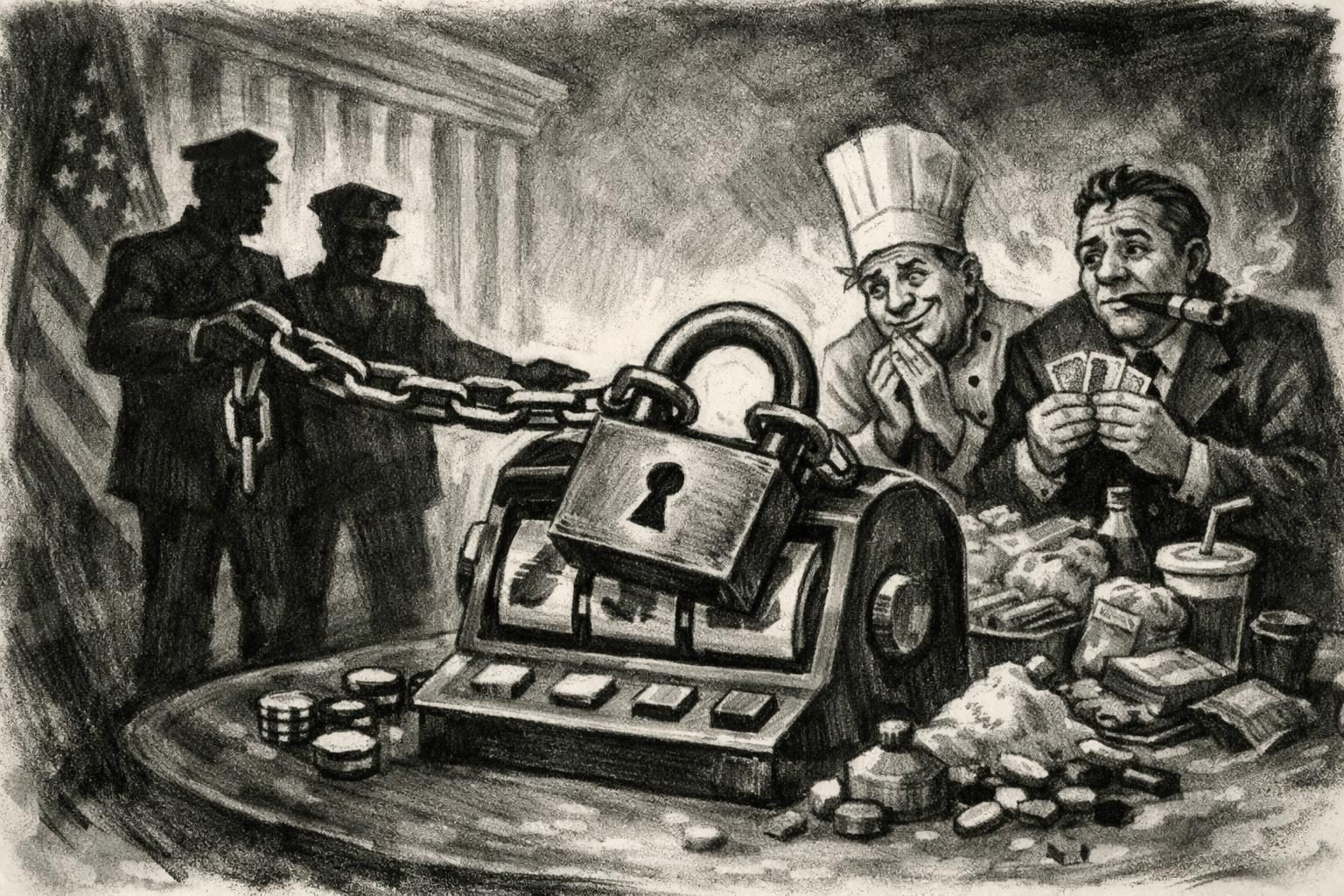
Federal health officials are proposing one of the more consequential food-safety overhauls in years, a move aimed at making it harder for companies to slip new ingredients into the food supply without telling regulators first. The change would require manufacturers to notify the Food and Drug Administration before adding new food additives or other ingredients to processed and packaged products, narrowing a long-used pathway that has allowed firms to decide for themselves whether something is generally recognized as safe. In plain terms, the proposal would shift the federal government from mostly trusting industry judgment to demanding a lot more transparency up front. That may sound technical, but it touches nearly everything in the modern grocery aisle, from shelf-stable meals to snacks, drinks, and the long list of processed foods that many families rely on every day. It is also a tacit acknowledgement that the existing system has left too much room for companies to police themselves.
The target of the rewrite is the GRAS loophole, the shorthand name for a regulatory process that has drawn criticism for years because it lets companies determine on their own that an ingredient is “generally recognized as safe” and, in many cases, proceed without formally alerting the FDA. Supporters of the current framework have long argued that it gives industry flexibility and helps speed up the introduction of ingredients that may already have a record of use. Critics, though, have said the setup is too easy to game because the people deciding what gets into food have a clear financial incentive to move quickly and avoid scrutiny. The new proposal would not eliminate every pathway for new ingredients, and it would not magically solve broader concerns about how much ultra-processed food dominates the market. But it would force more of those decisions into the open, where regulators and the public can at least see what is being introduced before it becomes commonplace. That matters because food ingredients are not abstract chemistry exercises; they are part of what ends up in school cafeterias, convenience-store snacks, family dinners, and the daily diet of millions of people who do not have the time or resources to parse every label.
The timing of the proposal also reflects a larger political and public-health debate that has been simmering for years. Advocates have argued that federal oversight has been too reactive, allowing companies to market ingredients first and answer questions later. Consumer groups are likely to press for even tighter rules before any final version is issued, especially if the administration’s proposal still leaves room for companies to keep some ingredients off the formal notification track. Industry, meanwhile, is likely to push back against what it will describe as added burden, more paperwork, and extra uncertainty in product development. That reaction would not be surprising, since nearly any attempt to reclaim more regulatory authority from a lightly supervised market tends to trigger complaints about red tape. Still, the broader point is hard to miss: if a system designed to protect consumers has been operating in a way that lets companies largely grade their own homework, then asking for prior notification is not radical so much as overdue. The administration appears to be betting that voters and consumers will see the difference between a modest tightening of the rules and the status quo, which has left agencies trying to catch up only after new ingredients are already in circulation.
Even so, the proposal should not be mistaken for a complete answer to the food-safety and nutrition problems that have built up over decades. The modern food supply is shaped by industrial scale, aggressive marketing, cost pressures, and consumer habits that are not easy to unwind with a single rule change. Requiring notification before new additives are introduced may improve oversight, but it will not automatically remake the country’s relationship with ultra-processed foods or eliminate the broader concerns that have driven criticism of the system in the first place. What it does do is force a more honest accounting of how much the government has relied on industry assurances and how little real-time visibility regulators have had into what is being added to food before it reaches store shelves. That alone makes the proposal significant. It suggests federal officials now recognize that the old arrangement was too permissive, too opaque, and too willing to assume that private actors would always err on the side of caution. If the final rule survives the inevitable lobbying and compromise, it could mark a meaningful shift toward stricter oversight. If it gets watered down, though, it will stand as another reminder that in food policy, as in so many other areas, reform often arrives only after years of pretending the loophole was not the point.
Comments
Threaded replies, voting, and reports are live. New users still go through screening on their first approved comments.
Log in to comment
No comments yet. Be the first reasonably on-topic person here.