
FedRAMP opened new Rev5 certification pipelines on the same day its new rules took effect
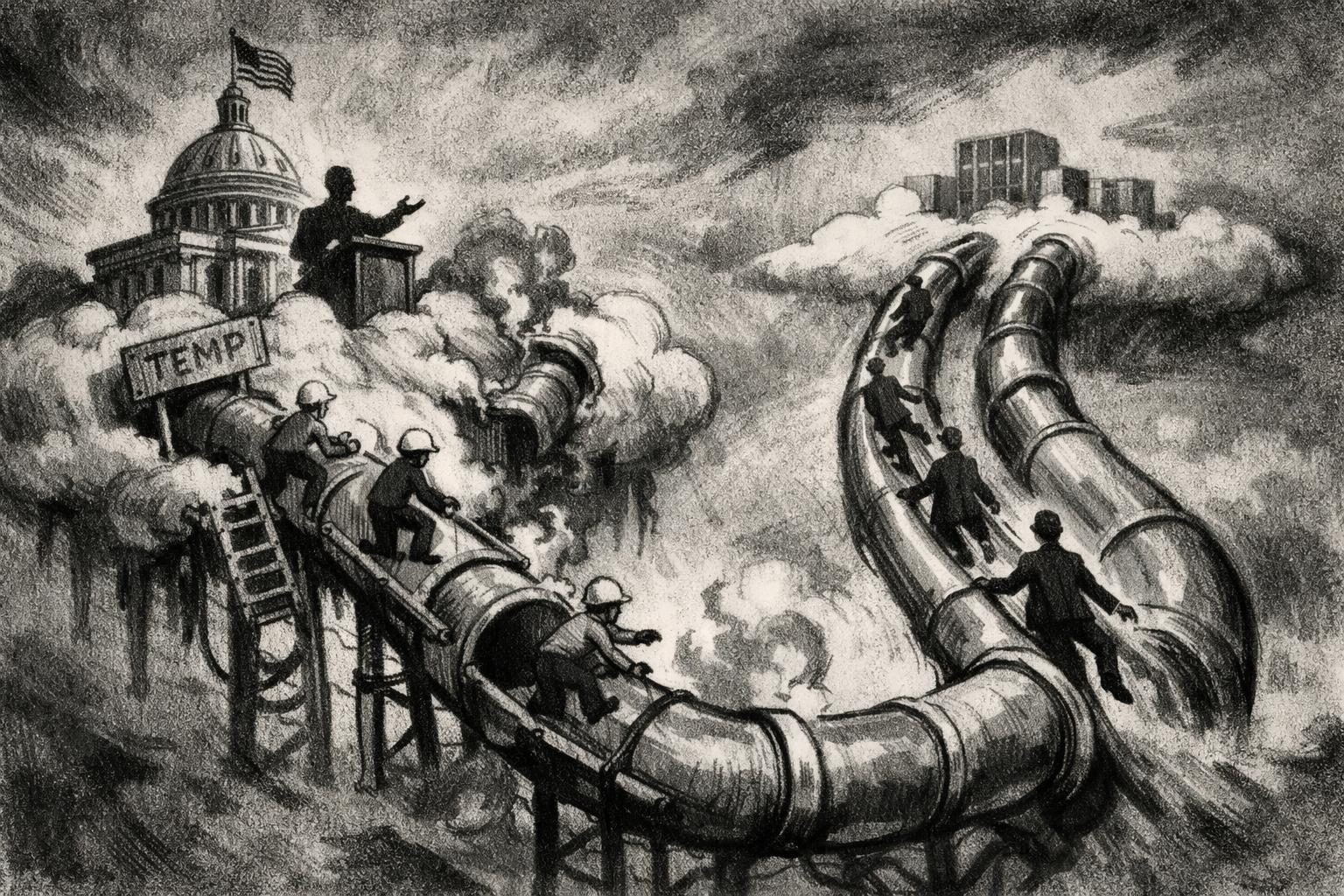
FedRAMP moved into a new phase of its 2026 rule overhaul on August 10, opening temporary Rev5 Program Certification pipelines for eligible Class B and Class C providers on the same day the next set of rules took effect. According to the program’s own published timeline, the Ready Conversion and Lost Sponsor paths were scheduled to open that day, making the date more than a procedural footnote. It was a real administrative checkpoint in a federal cloud-security system that determines how vendors get approved to serve agencies. For companies trying to sell into government, the difference between being in the pipeline and being outside it can shape product planning, sales cycles, and compliance budgets. For agencies that rely on outside cloud services, it can influence how quickly new tools are available and how smoothly existing services continue.
The immediate significance is less about a single form or deadline than about what the opening says about how FedRAMP intends to manage the transition to its consolidated framework. The program has been telling the market for months that the old structure was being reorganized, and the August 10 milestone shows that the reorganization is no longer theoretical. Temporary Rev5 pathways are not the same thing as a fully settled system, but they do offer a route forward for vendors that fit the program’s eligibility criteria. That matters because certification bottlenecks in federal IT rarely stay contained inside compliance teams. They tend to spread into procurement schedules, contract renewals, agency modernization plans, and the business assumptions cloud providers make about when federal demand will actually materialize.
The structure of the change also hints at a familiar federal pattern: one set of paths is being opened while another is being phased down or made less central. That kind of transition can create opportunity for some providers and friction for others, depending on where they sit in the process and how far along they are in their authorization work. The Ready Conversion route suggests that some existing offerings may be able to move into the new framework without starting from scratch, while the Lost Sponsor path appears designed to address cases where an authorization relationship has changed or fallen away. Those are specialized process lanes, but in practice they can decide whether a vendor keeps momentum or loses it. When a certification system is being rewritten, process itself becomes a market filter, and the companies that understand the new rules first are often the ones that move fastest.
This is why the calendar matters as much as the policy text. FedRAMP is not just another regulatory acronym buried in the federal bureaucracy; it is one of the gatekeepers for cloud adoption across government. A change in its timing can affect whether a service clears review, whether an agency feels comfortable adopting it, and whether a contractor can promise delivery on a fixed schedule. The August 10 launch of temporary Rev5 pipelines is therefore a sign that the consolidation effort has entered its operational stage, not merely its announcement stage. That does not mean every vendor will feel the impact equally, and it does not guarantee a smooth transition, but it does mean the market now has to respond to the reality of the new framework. In government technology, the difference between a future plan and a live pipeline is the difference between waiting and working, and that distinction can decide who gets through the door first.
Comments
Threaded replies, voting, and reports are live. New users still go through screening on their first approved comments.
Log in to comment
No comments yet. Be the first reasonably on-topic person here.