
Justice Scheduled a FOIA Workshop While the Administration Keeps Making Transparency a Joke
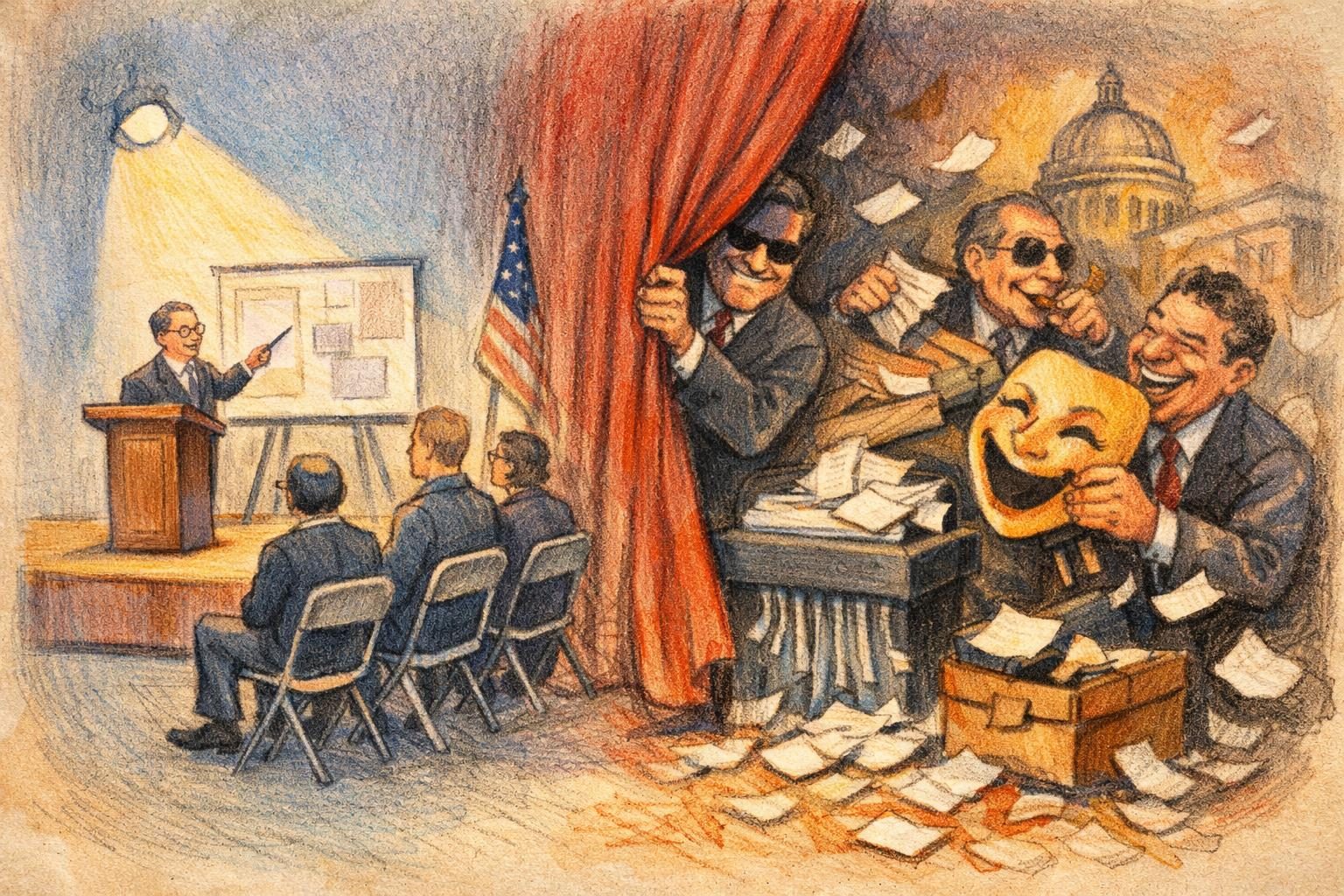
The Justice Department’s Office of Information Policy has scheduled a virtual FOIA best-practices workshop for August 11, a small federal action that lands with an almost darkly comic timing in an administration that keeps treating transparency like an inconvenience instead of a duty. On paper, the event is mundane: a public workshop, the kind of procedural thing that normally earns attention only from records professionals, lawyers, and the small tribe of people who can explain the difference between a request, a determination, and a delay without sounding tired. But FOIA has never really been a sleepy administrative backwater. It is one of the few tools the public still has for prying loose government records, and the fact that the Justice Department is still hosting transparency training says something important about how contested that tool remains. Even when the broader political climate tilts against oversight, the bureaucracy still has to perform the rituals of openness, and sometimes the ritual itself becomes the story.
That is especially true in an environment where the administration’s posture toward accountability often seems to be: ask less, accept less, and wait longer. A workshop does not erase that pattern, and nobody should pretend it does. Still, the existence of a public-facing training session on FOIA suggests that the machinery of access is not entirely shut down, even if it is badly strained. The Office of Information Policy sits at the center of DOJ’s guidance on federal records access, which makes its calendar worth watching even when the item in question is only a webinar about best practices. A government that wants to be taken seriously about transparency cannot just speak the language of openness; it has to make sure agencies actually process requests, explain denials, and stop using procedural fog as a shield. That gap between promise and practice is where this kind of event matters, because it shows the federal government still knows it is supposed to teach openness even while parts of the political leadership make openness harder to achieve.
FOIA fights are not abstract, and they are not only the concern of journalists with deadlines. They affect advocates looking for regulatory records, researchers trying to understand what the government is doing in their name, and ordinary citizens who want the paperwork behind policy decisions that shape their lives. When the system works, it can produce the receipts that cut through spin. When it does not, agencies can slow-walk requests, overuse exemptions, and bury the public under delay until the information is stale enough to be useless. That is why a workshop about best practices is more than a bureaucratic footnote: it is a reminder that access to records still has to be actively defended, taught, and standardized inside a government that often seems inclined to treat disclosure as optional. The administration may prefer the appearance of transparency, but the public needs records, not slogans. A training session does not solve the structural problem, yet it does highlight how much the whole system now depends on a handful of institutions still willing to explain how openness is supposed to work.
The immediate practical impact of the August 11 workshop is likely limited, and that should be stated plainly. A single webinar will not speed up a backlog, rewrite a bad exemption decision, or force agencies to stop dragging their feet when disclosure gets uncomfortable. Critics of the federal transparency regime are right to say that best-practices talk is no substitute for actual compliance, real deadlines, and fewer excuses. But it would also be a mistake to dismiss the event as meaningless theater just because theater is part of the problem. The fact that the Justice Department is still putting FOIA guidance on the public calendar confirms that access law remains alive enough to require ongoing instruction, which is more than can be said for some administrations’ practical commitment to it. If the White House and its allies want to claim they support accountability, they can start by making sure the records system delivers something better than polite language and another government Zoom link. Until then, even a routine workshop reads less like a victory lap than a reminder that the country is still arguing over whether transparency is a governing principle or just a talking point with a login button.
Comments
Threaded replies, voting, and reports are live. New users still go through screening on their first approved comments.
Log in to comment
No comments yet. Be the first reasonably on-topic person here.