
A Justice Department filing keeps the H-2A labor-immigration fight alive
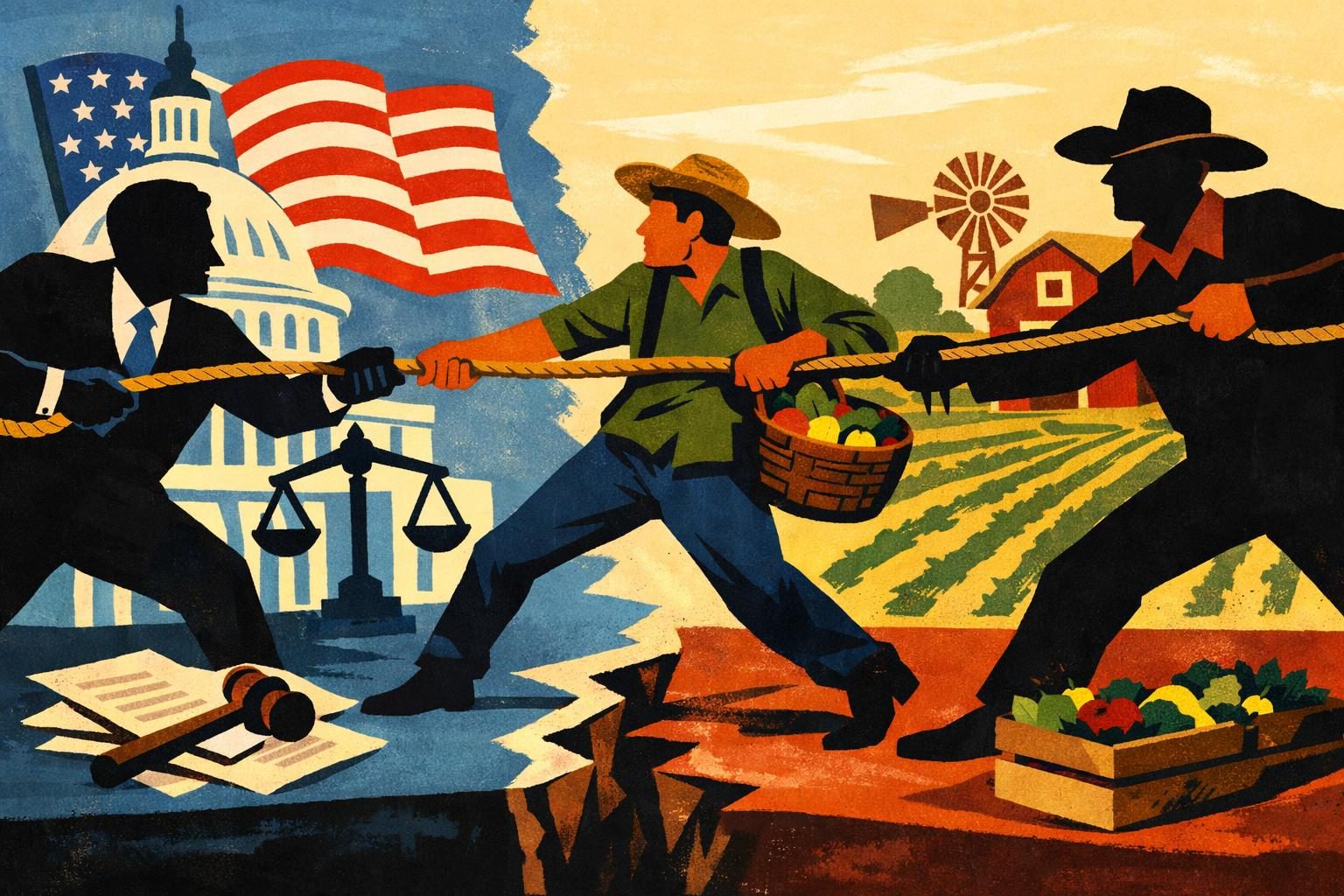
A new Justice Department filing has kept an already simmering fight over the H-2A guest-worker system in motion, and the case matters because it sits at the exact point where farm labor, immigration policy, and federal enforcement authority collide. H-2A is the visa program that lets agricultural employers bring in foreign workers for temporary jobs when domestic labor is supposed to be unavailable in sufficient supply. In practice, it is also a mechanism that can shape wages, working conditions, and the leverage available to both employers and workers. The latest filing does not settle the dispute, but it does confirm that the government is still willing to press the argument and keep the legal machinery running. That alone is enough to make the case more than a procedural footnote.
The basic tension is easy to see even if the underlying legal questions are technical. Farms want access to labor that is reliable, predictable, and often cheaper than what a competitive domestic market would require, while labor rules are supposed to ensure that guest-worker hiring does not undercut wages or turn into a race to the bottom. Federal oversight of H-2A is therefore not just administrative housekeeping; it is the enforcement layer that gives the program meaning. If the government treats the requirements as optional, then the protections attached to the program become little more than suggestions. If it enforces them seriously, then employers have to absorb the costs and constraints that come with using a regulated labor pipeline. That is why a filing like this matters beyond the narrow parties in the case.
The dispute also reflects a larger political argument that has defined immigration enforcement for years: how hard the government should be on migrants, and how hard it should be on the employers who depend on their labor. Critics of the system often focus on migrants themselves, but the H-2A program exposes the more awkward reality that a great deal of the pressure in agricultural labor markets comes from employers seeking access to a flexible workforce. When the Justice Department steps in, it signals that the federal government still sees a role for enforcement rather than simply blessing whatever hiring practices the industry prefers. That is likely to irritate employers who want the labor supply without the legal obligations that come with it. It also undercuts the familiar political story in which enforcement is always aimed downward and never at the people or businesses benefitting from the system.
This is where the case connects to the broader mood of the second Trump era, in which federal power over immigration and labor has become a constant battleground. Supporters of stricter immigration policy often want the government to project toughness toward migrants, but they are much less eager to see that toughness applied to employers who rely on them. The contradiction is obvious: if the law is supposed to mean anything, it has to apply to both the workers who enter the system and the businesses that use it. A lawsuit or filing that keeps the H-2A question alive forces that contradiction into the open. The government cannot credibly talk about control, order, or legality while quietly declining to police the terms on which farms are allowed to hire foreign labor. Whether the current filing ultimately succeeds is still an open question, but the posture itself is revealing.
The significance of the current filing is therefore less about a sudden legal breakthrough than about institutional persistence. A case like this can drift into the background because it does not always produce dramatic headlines, but it can still shape how aggressively agencies enforce the rules that govern farm labor. The Justice Department’s move suggests that the underlying dispute remains active and unresolved, and that the administration is not treating the H-2A framework as a dead letter. That matters for employers, workers, and the broader immigration system because the result of these fights often determines whether enforcement has teeth or whether it exists mainly on paper. Even without a final ruling, a live filing keeps pressure on the system and makes clear that the government is still claiming authority over the conditions under which farms can recruit foreign workers. In a policy area where rhetoric often runs ahead of enforcement, that is not a small detail. It is the part that tells everyone involved whether the rules are real or just decorative.
Comments
Threaded replies, voting, and reports are live. New users still go through screening on their first approved comments.
Log in to comment
No comments yet. Be the first reasonably on-topic person here.