
New Mexico sues DOJ after alleging Epstein probe stonewalling
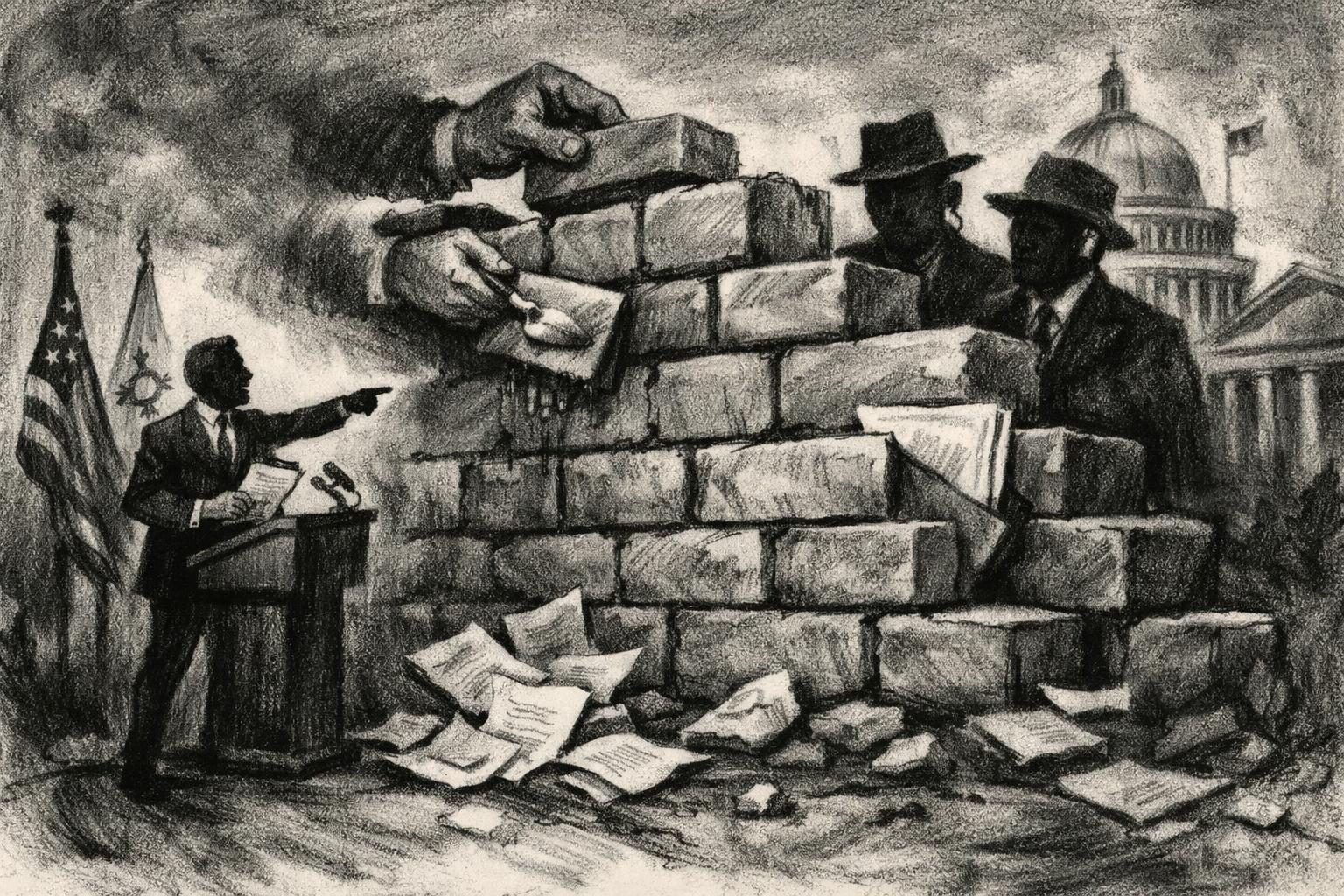
New Mexico’s attorney general has taken the extraordinary step of suing the Justice Department in federal court, accusing the Trump-era leadership at the department and acting Attorney General Todd Blanche of blocking a state investigation tied to Jeffrey Epstein and other possible defendants. The filing, dated August 10, 2026, says investigators for the state spent months seeking records and cooperation they believe are necessary to pursue a live criminal probe, only to run into what they describe as refusals, delays, and missing information. The dispute lands in a politically radioactive corner of the justice system, where the old Epstein scandal still carries enough force to turn every new allegation into a broader test of whether powerful institutions ever fully tell the truth about sex trafficking, abuse, and the people who may have enabled it. New Mexico’s complaint does not resolve the underlying factual questions about who knew what or when, but it squarely accuses federal officials of getting in the way of a legitimate law enforcement effort. That is enough to make the case more than another symbolic filing, because it transforms a long-running national embarrassment into a direct fight over access to evidence.
The state’s core allegation is not that the federal government merely declined to help, but that it obstructed. According to the complaint, state investigators made repeated requests for information they believed could help them identify witnesses, reconstruct events, and determine whether additional crimes had been committed. They say those requests were met with stonewalling that made it harder to move forward and, by extension, harder to serve victims who still want answers. In practical terms, that kind of dispute can matter as much as the allegations themselves, because criminal investigations often rise or fall on cooperation between offices that hold different pieces of the same puzzle. If one agency has files, leads, or interview materials and the other cannot get them, the search for accountability can slow to a crawl. The complaint portrays that slowdown not as an accident of bureaucracy but as a pattern of obstruction that undermines a state’s independent authority to investigate serious crimes. Whether the evidence supports that accusation is now for the court to sort out, but the filing makes clear that New Mexico believes the federal government has crossed from passive noncooperation into active interference.
The political stakes are obvious, even if the legal merits remain to be tested. Epstein’s crimes have already become shorthand for elite impunity, institutional failure, and the kinds of protection that powerful people sometimes appear to receive from systems that are supposed to police them. By alleging that the Justice Department is withholding information from a state probe, New Mexico has given that old scandal a fresh institutional edge. It is no longer just a grim and familiar story about abuse and exploitation; it is now also a conflict over whether a federal law enforcement agency is acting like a neutral repository of evidence or a guarded fortress. That distinction matters because public confidence in criminal justice depends on the belief that agencies share information when the law requires it and do not hide behind procedure when the public is asking for accountability. The state’s complaint suggests exactly the opposite, and that accusation will likely resonate far beyond New Mexico if it gains traction in court or in public debate. It also invites a broader question that hangs over many politically charged investigations: when does caution become concealment, and when does institutional secrecy become a way of avoiding embarrassment rather than protecting legitimate law enforcement interests?
For now, the most concrete fact is the lawsuit itself, which adds another layer of litigation to an already poisonous legacy. It is not yet clear how the Justice Department will defend its conduct, what records may exist, or how much of the state’s account can be substantiated through discovery and court filings. Federal officials may argue that records cannot be shared for legal, procedural, or investigative reasons, or that the state’s characterization overstates what happened during the request process. But the very need for that explanation shows why the case has political and institutional force: once a state attorney general publicly accuses federal law enforcement of stonewalling a sex-trafficking-related probe, the damage to trust begins before the first hearing. The lawsuit also puts judges in the middle of a fight over transparency that could force some uncomfortable answers about how sensitive materials are handled when a scandal is old but the demand for accountability is still alive. In that sense, the filing is not just about Jeffrey Epstein, and it is not just about New Mexico. It is about whether a government that promises to pursue serious crimes can also be trusted to cooperate when another prosecutor asks for the records that might actually make that promise real.
Comments
Threaded replies, voting, and reports are live. New users still go through screening on their first approved comments.
Log in to comment
No comments yet. Be the first reasonably on-topic person here.