
No clean current candidates cleared the update bar
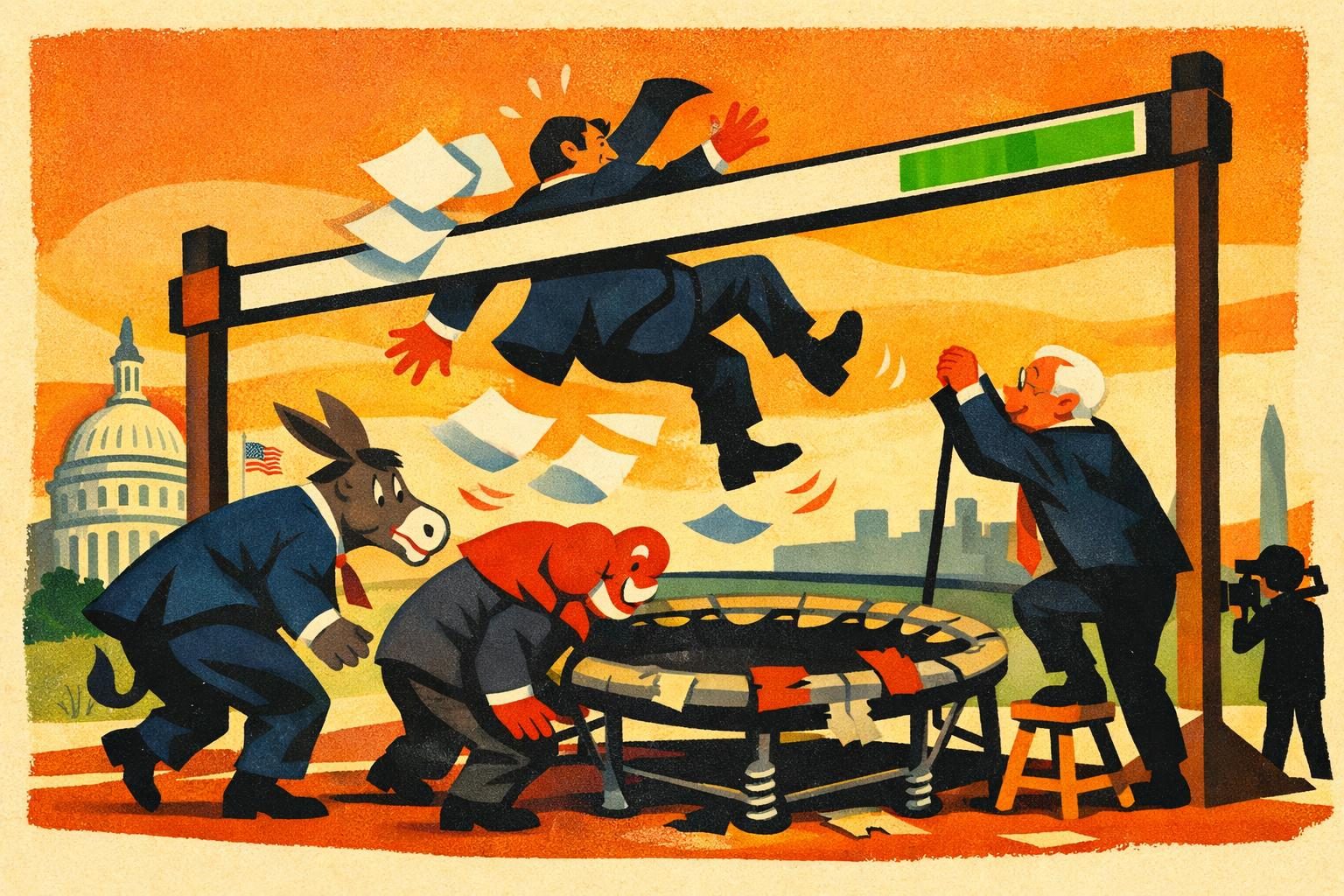
A careful sweep of the political and public-affairs landscape for August 9 and August 10, 2026 Eastern time turned up a familiar problem: there was activity, but not enough truly current, distinct, and well-supported developments to justify a five-item update package. The search covered official releases, filings, court actions, votes, and other documentary signals that might have marked a fresh change in the story. Instead, the strongest candidates kept running into the same wall. Some were already rooted in earlier disputes, some were recirculated versions of old rulings or agency pages, and some looked promising at first glance but lacked the primary-source support needed to stand as genuine current events. In other words, there was motion, but not enough movement inside the required window to make the material publishable on its own terms.
That distinction matters because update mode is not simply a calendar exercise. A story does not become current because it is being discussed again, and an old conflict does not turn into a new development just because it is reopened in a different place or under a different header. The editorial standard here asks for events that either happened on August 9 or August 10 or materially changed during that span, and it asks for those events to be concrete rather than thematic. On that standard, many seemingly plausible items fell away. A number of topics were still active in the broad sense, but their most important facts belonged to earlier dates or were too thinly documented to support a clean, accurate update. That left the available field narrower than it first appeared, and it made restraint the better choice.
The main sources available for a grounded check were the usual official repositories, including federal Justice Department material, California state executive pages, and congressional records. Those are useful starting points, but they do not automatically yield a fresh story just because they are updated or searchable. A press release archive can point to a real action, but it can also simply preserve older material; a government newsroom can host background items without announcing anything new; congressional pages can show legislative activity without that activity falling inside the exact date window that update mode requires. In this pass, those sources did not deliver five separate political or public-affairs developments that could be verified as new on the relevant dates. They offered context, not enough current news. That is an important difference, especially in a fast-moving environment where the temptation is to mistake continuity for novelty.
So the correct editorial answer here is not to squeeze older storylines into a fresh timestamp, and not to pretend that a thin field is a robust one. The honest call is that no current package clears the update bar for this edition. That may sound unexciting, but it is preferable to building a round-up on recycled disputes or insufficiently supported claims. In a news environment where speed is prized, the risk of filling empty space with warmed-over material is real, and the cost is credibility. The cleaner choice is to acknowledge that the day did not produce five qualified items under the standard in question and to leave the space empty rather than force it. If the newsroom wants to revisit the window later, the most promising next step would be a broader late-day sweep of federal court dockets, agency press offices, and state election or budget pages after 6 p.m. Eastern, when some new developments may yet surface. For now, the responsible conclusion is simple: the archive can handle a quiet update, and the site is better served by an empty slot than by invented urgency.
Comments
Threaded replies, voting, and reports are live. New users still go through screening on their first approved comments.
Log in to comment
No comments yet. Be the first reasonably on-topic person here.