
Trump’s mail-ballot order survives another round of legal whiplash, but election officials are still begging for relief
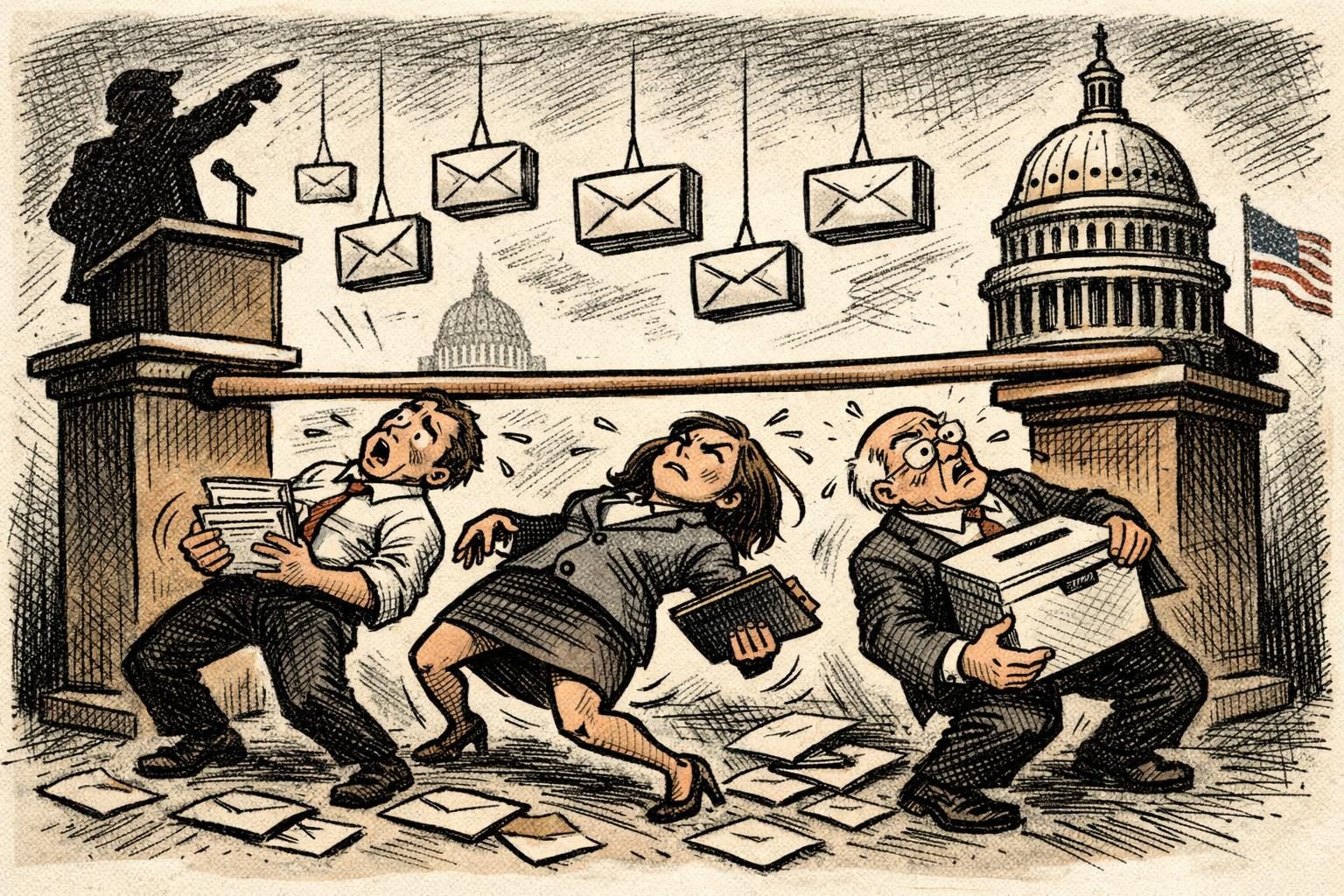
A federal appeals panel has declined to fully block the Trump administration’s order on mail ballots, pushing the case back into the legal fog just as election officials are trying to lock down the rules for the 2026 midterms. The decision does not resolve the central question of whether the president can direct states to change how they handle mailed ballots, voter registration lists, and other core pieces of election administration. Instead, it leaves the order in place for now while the underlying lawsuit continues, which is exactly the sort of outcome that sounds procedural on paper and feels like a disaster in a county election office. States are still being told, in effect, to prepare for a policy that may be struck down later. That means staff time, legal fees, system changes, and contingency plans are all being spent on something nobody can yet treat as settled.
For election officials, the problem is not just the legal uncertainty but the calendar. Elections are built on fixed deadlines that do not wait for appellate judges, and the closer the country gets to the midterms, the less room states have to absorb a sudden change in the rules. Mail-ballot processing is not something that can be rewritten overnight; it affects printing schedules, return-envelope design, training, verification procedures, voter notices, and the software used to track ballots. If a state has to prepare for one set of rules now and then switch again after a final court ruling, the result is wasted money and a lot of avoidable confusion. Even states that think the order is legally weak still have to decide whether to comply in part, resist outright, or build parallel systems in case the law changes again. None of those options is cheap, and none of them makes for a smooth election year.
The administration’s order has drawn immediate pushback from officials who say it tries to use executive power to override state authority and sidestep Congress. The complaint is not merely that the policy is unpopular, but that it reaches into an area where the Constitution gives states and lawmakers a major role. New York’s attorney general has already challenged the order as unconstitutional, arguing that the president cannot force changes that threaten established election procedures. That fight goes to the heart of the present mess: if the White House can impose national rules on mail voting by executive action, then a lot of what states have spent years building becomes vulnerable to last-minute federal intervention. If it cannot, then the order is a disruptive, expensive detour that may eventually collapse under judicial review. The appeals panel’s move does not answer that question. It just keeps the argument alive long enough for the uncertainty to do more damage.
That is why voting-rights lawyers and state election administrators are now pressing courts to step in decisively rather than let the dispute drift into the fall and harden into default practice. Their concern is that even a temporary order can shape behavior before any final judgment arrives, because election systems are designed to follow the current rule, not some future ruling that might come too late to matter. A legal victory later does not erase the cost of having spent months and millions adapting to a contested mandate. Nor does it undo the confusion created when state and local officials have to explain to voters why the rules could change again after they have already been told what to expect. The broader issue is simple enough: elections run on deadlines, not political theater, and the people responsible for administering them need stable instructions, not another round of federal whiplash. Until the courts settle the matter, the country is stuck with a judicially managed holding pattern that is bad for planning, bad for trust, and very good at making a routine administrative question feel like an emergency.
Comments
Threaded replies, voting, and reports are live. New users still go through screening on their first approved comments.
Log in to comment
No comments yet. Be the first reasonably on-topic person here.