
USTR’s Germany drug-pricing probe hit a public-comment deadline
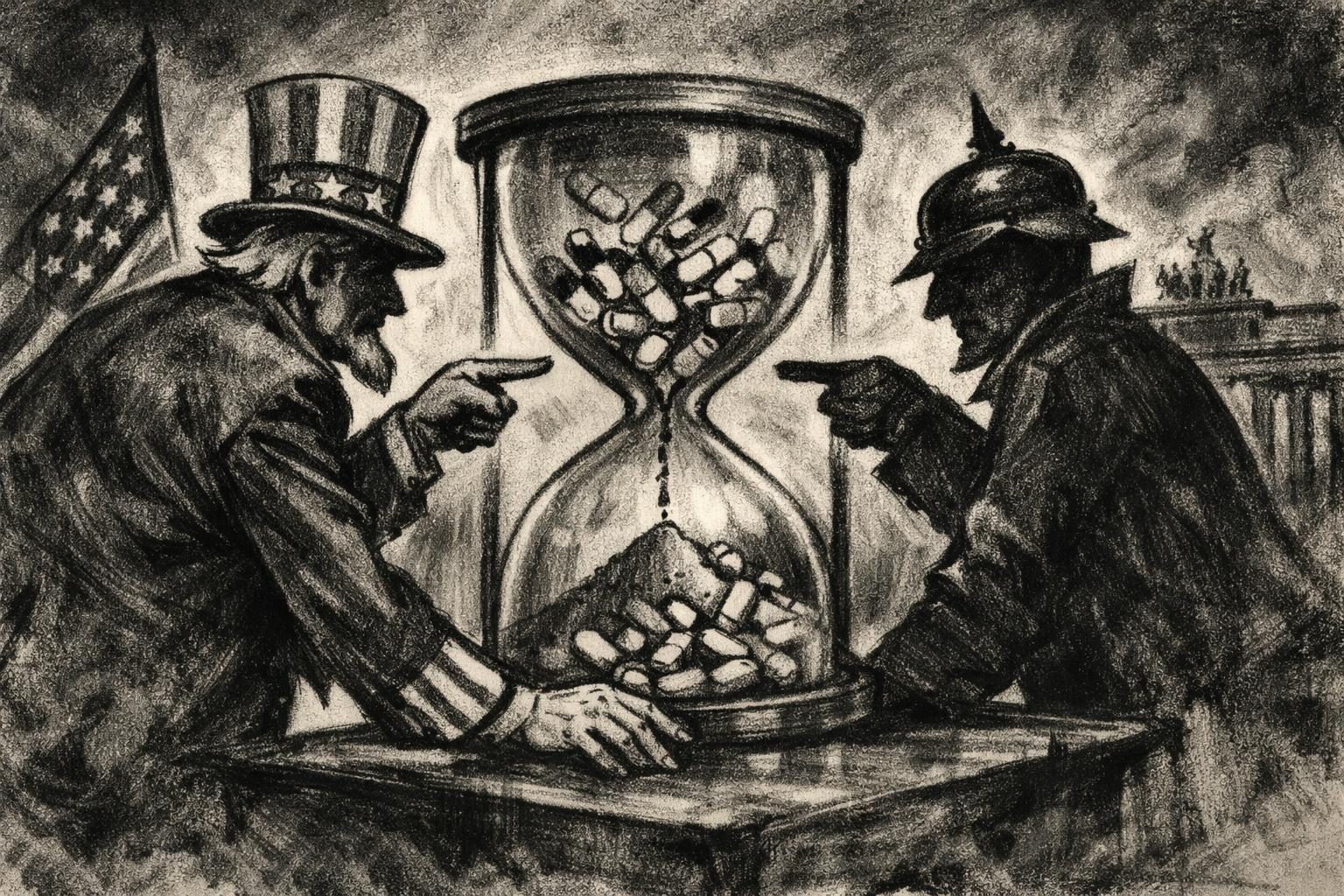
The Trump administration’s trade office quietly crossed an important procedural threshold on August 10, when the public-comment window closed in its Section 301 investigation into Germany’s pharmaceutical pricing practices. That may sound bureaucratic, but in trade policy bureaucracy is often the part that tells you where the fight is headed next. The investigation is not a final judgment and it does not automatically mean tariffs or other penalties are imminent. It does, however, mean the dispute has moved from announcement mode into an evidence-gathering phase in which companies, trade lawyers, health-policy analysts, and government officials can put their arguments on the record. In a file like this one, deadlines matter because they force everyone involved to stop speaking in generalities and start building a case.
At the center of the probe is a familiar grievance from Washington: the claim that Germany’s system for pricing innovative medicines leaves U.S. companies carrying too much of the burden for research and development. The U.S. Trade Representative has framed the issue as more than a standard disagreement over health policy, arguing that German pricing mechanisms effectively suppress what Germany pays for new drugs and shift costs onto American innovators and, by extension, American patients and taxpayers. That is a serious allegation, but it is still an allegation. Germany is entitled to defend its system as a legitimate way of controlling health costs in a national market, and plenty of critics will say the U.S. is blurring the line between trade enforcement and domestic pharmaceutical politics. Still, the very fact that the administration has opened a Section 301 case shows it sees the dispute as something more than a technical quarrel over reimbursement formulas.
The stakes go beyond the narrow question of what German insurers pay for medicines. Pharmaceutical pricing disputes have a way of spilling into bigger fights over industrial policy, global competitiveness, and the basic question of who pays for innovation in wealthy economies. If the administration decides to press this case hard, it could become another example of a White House willing to use trade leverage as a universal tool, even in areas where the costs are politically and diplomatically messy. Supporters of that approach will argue that the United States has long subsidized drug innovation for the rest of the world by tolerating higher domestic prices, and that trading partners with stronger price controls have been able to benefit without paying a proportional share. Opponents will answer that turning drug pricing into a trade weapon risks making medicines even more expensive, complicating supply chains, and dragging an allied government into a fight it did not ask for. Both views are plausible, which is exactly why this story matters even before any punitive action is taken.
The comment deadline is also important because it helps reveal what kind of case the administration is trying to build. A Section 301 probe is not just a press release with legal seasoning; it is a process designed to create a record, collect testimony, and give officials material they can use if they decide to escalate. That means the docket itself becomes part of the politics. Industry groups may push for a tougher line, arguing that foreign price controls distort the global market and punish American pharmaceutical research. Health-policy advocates may argue the opposite, contending that the administration is trying to force foreign countries to raise prices in order to protect a high-cost U.S. system from scrutiny. Germany, for its part, is likely to resist any suggestion that its health-care framework amounts to an unfair trade barrier, especially if the case begins to sound like a demand that it import American pricing norms wholesale. The result is a live dispute that could still bend in several directions, depending on what lands in the record before the next decision point.
For now, the clearest reading is that this is a meaningful escalation, not a finished confrontation. There is no final finding here, no announced tariff schedule, and no immediate punishment attached to the deadline itself. But trade fights rarely jump straight from investigation to impact; they typically move through hearings, submissions, internal reviews, and then decisions that can reshape negotiations later. That is why this deserves attention now rather than after the fact. It is a current policy development with a real procedural trigger, a clear geopolitical angle, and enough uncertainty to keep the outcome open. If the administration uses the investigation to push Germany toward higher drug prices or broader concessions, the fallout could extend well beyond pharmaceuticals and into the larger transatlantic relationship. If it backs off, the deadline will still have served as a reminder that the White House is willing to test how far its trade doctrine can stretch when health policy and industrial economics collide.
Comments
Threaded replies, voting, and reports are live. New users still go through screening on their first approved comments.
Log in to comment
No comments yet. Be the first reasonably on-topic person here.