
Eleventh Circuit calendar puts live appellate fights on the docket
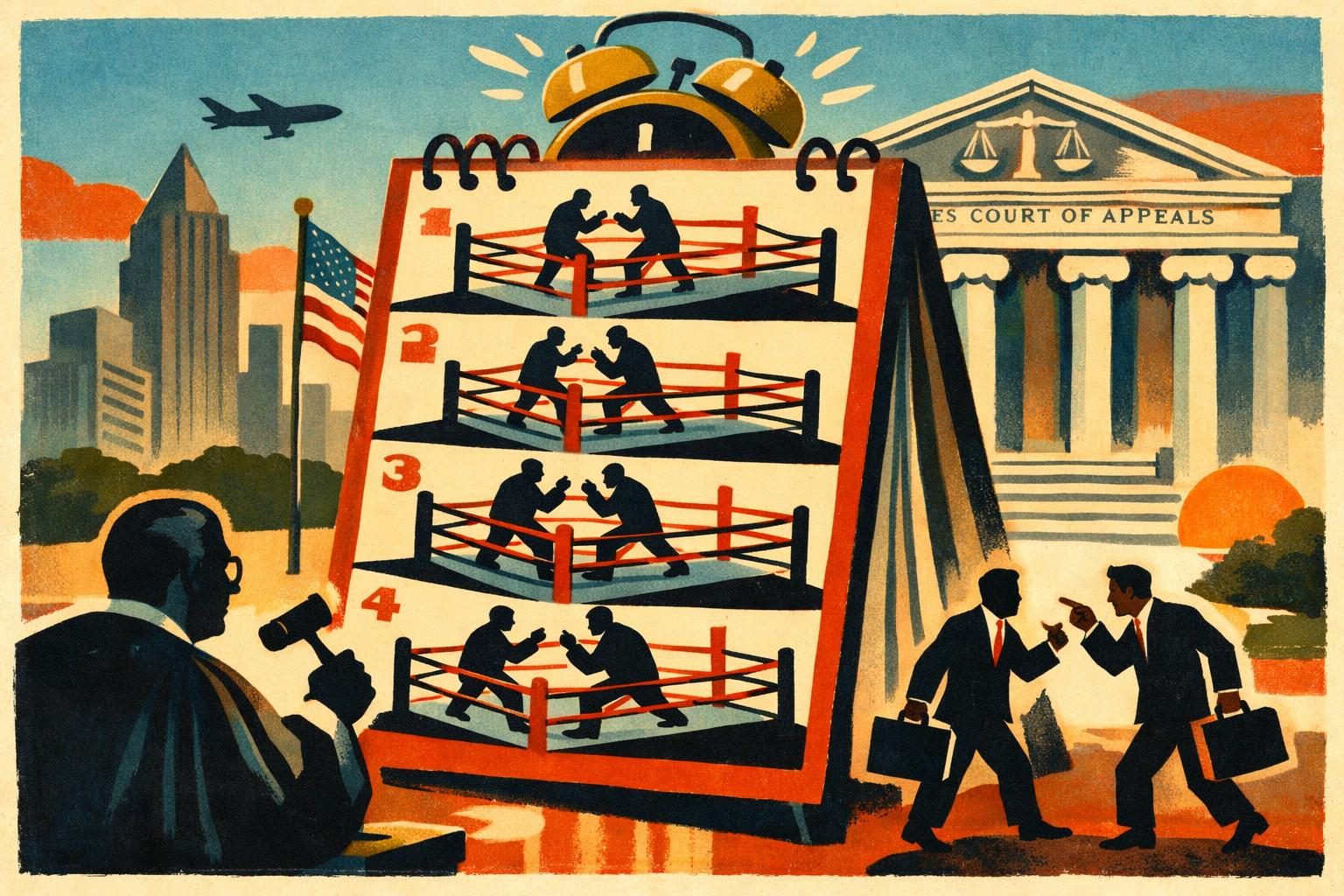
The Eleventh Circuit’s August 10–14 oral-argument calendar is a plain but telling sign that the machinery of federal litigation is still moving full speed in Atlanta. On paper, it is just a schedule: judges, case numbers, time slots, and the steady choreography of appellate review. In practice, a calendar like this is a snapshot of the fights that have survived initial filings, motions, and lower-court rulings and are now close enough to the center of the process to be argued out loud. That matters because the biggest political and policy disputes of the moment do not stay in the realm of speeches and press releases for long. They move into court, where the consequences can get delayed, narrowed, expanded, or erased depending on how the panel reads the law.
A live argument docket is especially important because it shows which disputes are no longer hypothetical. Once a case reaches oral argument, the parties are typically past the first round of procedural skirmishing and into a stage where judges are actively testing the record, the legal theory, and the practical consequences of each side’s position. That is not glamorous, but it is where a lot of real-world power gets sorted out. The appellate process often looks slow from the outside, and usually it is, but it also functions like a pressure chamber. Arguments that seem settled in public can still be radically unsettled in the courthouse, and the calendar is one of the few public clues that those tensions are still live. For anyone following the political fallout of federal policy choices, that is the part that should not be ignored.
The Eleventh Circuit’s schedule also underscores how much of the current national conflict over government action is filtered through ordinary legal procedure rather than dramatic, once-and-done rulings. The court’s calendar tells a quieter story than a headline about an injunction or a final merits decision, but it is often the more revealing one. It shows which disputes have matured enough to get a hearing, which means lawyers are making oral pitches directly to judges who may later shape the boundaries of executive authority, enforcement discretion, and federal obligations. That does not guarantee a sweeping reversal or a decisive win for either side. It does, however, confirm that the underlying controversies are still alive and that the next turn in the case may come from a courtroom rather than from politics by other means. In a season when so much public attention gets consumed by the most visible skirmishes, the calendar is a reminder that some of the most consequential developments happen on a slower and less theatrical track.
There is also a practical reason these calendars matter to observers outside the legal profession. Appellate arguments can influence timing, strategy, and leverage even before a decision is issued. They can signal whether a panel is skeptical, uncertain, or open to a narrower approach, and those signals often affect what the parties do next. For people tracking how policy mistakes, enforcement fights, or constitutional disputes are likely to unwind, that is not trivia. It is part of the map. The public usually hears the final result, maybe a few quotable lines from a judge, and then the story moves on. What gets lost is the long stretch of exposure before that point, when a case is still vulnerable to reversal, delay, or refinement. The Eleventh Circuit’s August 10–14 calendar is a reminder that those in-between moments are where a lot of the action really happens, even if they rarely feel like a finished story.
Comments
Threaded replies, voting, and reports are live. New users still go through screening on their first approved comments.
Log in to comment
No comments yet. Be the first reasonably on-topic person here.