
Security clearance revocation prompts fresh retaliation claims
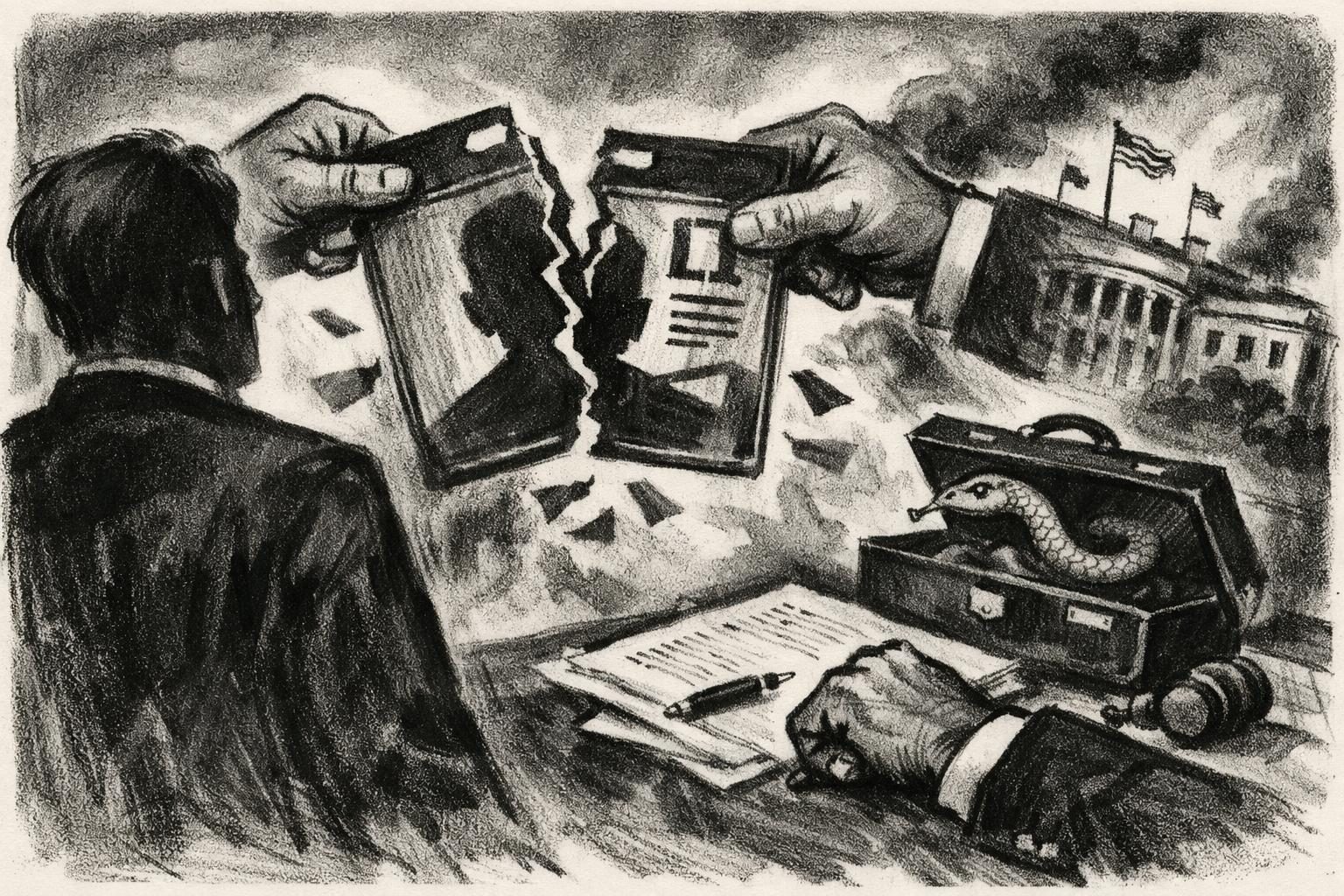
Former Air Force Secretary Frank Kendall said he is consulting lawyers after the Trump administration revoked his security clearance last week, an action that has quickly become more than a bureaucratic footnote in Washington’s already overheated fight over loyalty, access and revenge. The revocation landed at a moment when the administration has been signaling that it is willing to use the levers of government against people it views as politically hostile, and that is why Kendall’s case is drawing so much attention. On its face, a security clearance decision can be routine and defensible; the government has broad discretion to determine who should continue to have access to classified information. But when that authority is applied to a former cabinet official who remains publicly critical of the president, the move inevitably invites questions about whether the real purpose is national security or punishment. Kendall has not yet laid out a formal legal challenge, but his statement that he is speaking with attorneys suggests the matter may not stay inside the realm of administrative procedure for long.
That tension goes to the heart of why clearance decisions are so politically charged. The security clearance system exists to protect sensitive information, not to serve as a proxy for ideological approval or disapproval. Once a former official says he is exploring legal options, the argument over the revocation shifts from a technical personnel matter to a broader test of executive power and restraint. Critics are likely to see the action as another example of the administration using its authority to send a message to former officials who speak out after leaving office, especially those who continue to challenge the president in public. Supporters, by contrast, are likely to insist that the White House is simply reasserting control over access that should never have been treated as permanent. The problem for the administration is that those competing explanations are hard to separate in a climate already saturated with accusations that government power is being deployed selectively.
The optics of the move matter almost as much as the legal footing. Kendall is not an obscure bureaucrat; he is a former service secretary with a long career in defense and government, and that makes the revocation look less like a narrow security judgment and more like a statement about who is welcome in the political ecosystem surrounding the administration. When actions like this are taken against former officials who are no longer in government, the practical consequences may be limited, but the symbolic ones are immediate and hard to contain. It creates the impression that public criticism can carry administrative consequences, even after a person has left office and no longer has any operational role. That impression can be corrosive, because it blurs the line between legitimate security screening and a broader campaign of political discipline. In an ordinary period, the issue might have remained confined to legal filings and agency paperwork. In the current environment, it has become another flash point in a larger argument over whether the government is being used to enforce policy or exact payback.
For now, the consequences are mostly institutional, but those consequences can still be serious. If Kendall or others affected by similar decisions decide to challenge the revocations publicly or in court, the administration could find itself defending not just a single case but the standards behind the entire approach. That would open the door to scrutiny of who is being targeted, what criteria are being used, and whether those standards are being applied evenly or selectively. It would also deepen concerns that the clearance process is becoming a tool in a wider struggle over disloyalty, one that turns national security into a partisan weapon. The administration may believe that taking a hard line on access reinforces discipline and sends a message to critics. But even if some supporters welcome the move as overdue housecleaning, it risks signaling something broader and more troubling to everyone else: that federal authority is being wielded less like a shield for the country than a cudgel against its internal opponents.
Comments
Threaded replies, voting, and reports are live. New users still go through screening on their first approved comments.
Log in to comment
No comments yet. Be the first reasonably on-topic person here.