
D.C. Circuit lets Trump judge-confirmation fight keep moving
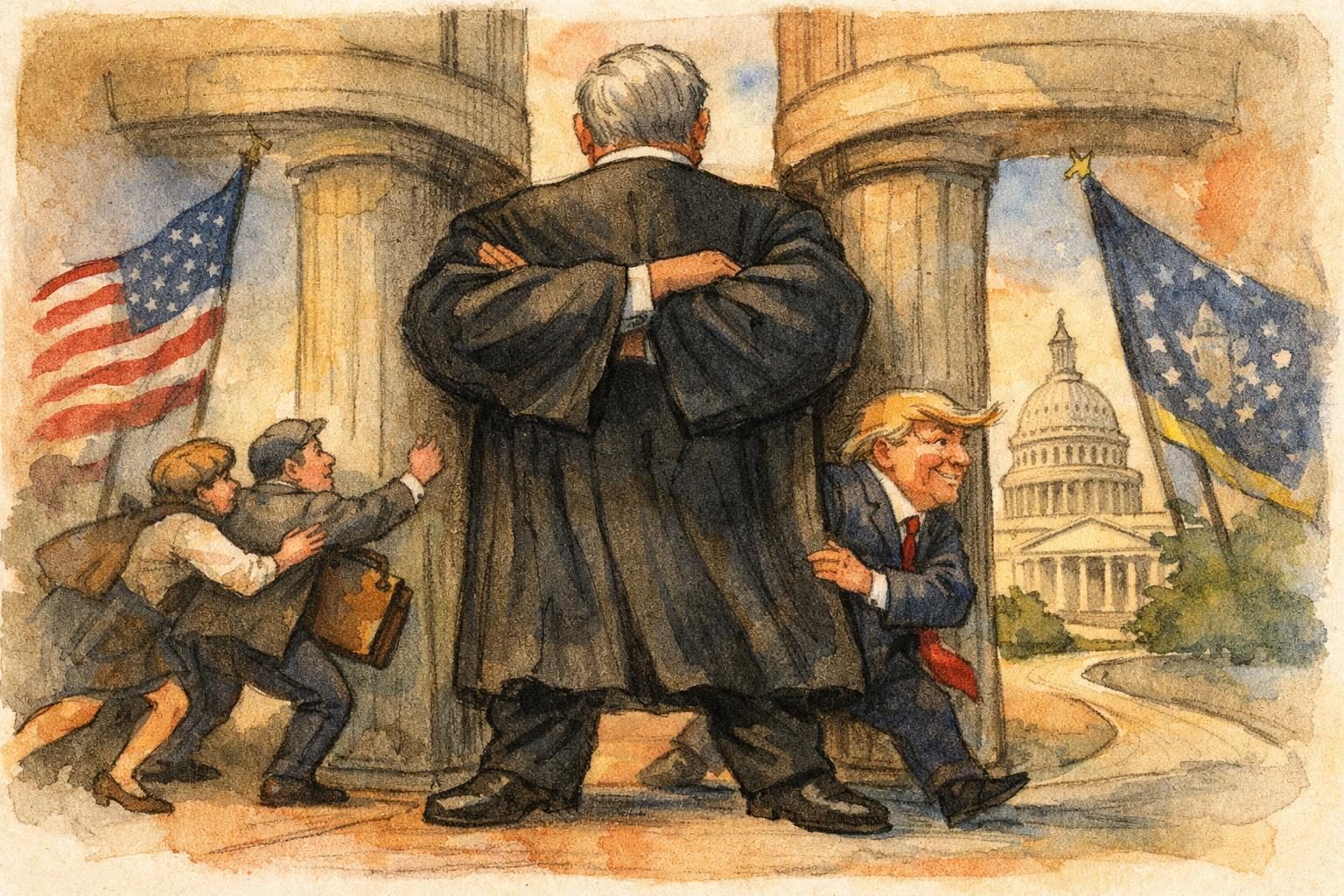
The D.C. Circuit on Tuesday kept the Trump administration’s immigration directives alive, at least for now, by declining to leave them blocked while a legal challenge works its way forward. The ruling does not settle the underlying fight, but it does preserve the government’s ability to keep moving ahead with the policy while opponents try to convince the courts that the program should be stopped. In practical terms, that is often the difference between a case that changes policy in real time and one that arrives too late to matter much for the people caught inside it. The decision also fits a pattern that has become familiar in high-stakes immigration litigation: challengers can win attention, urgency, and sometimes favorable rhetoric, only to run straight into the narrow gatekeeping rules that govern who gets heard and when. Here, the court’s focus on standing did the heavy lifting. That is the threshold question that asks whether the plaintiffs are the right parties to bring the case at all, and it can end a lawsuit before any judge ever reaches the merits.
The standing problem is more than a technicality in cases like this. It can become a choke point that determines whether broad claims about executive power are ever tested in a way that affects policy on the ground. In this instance, the administration’s position appears to have benefited from that procedural reality, because the court was not persuaded that the challengers had cleared the jurisdictional bar in the moment. That leaves the directives in force while the litigation continues, which is exactly the kind of interim victory the government tends to prize in disputes over immigration enforcement. The immediate effect is to keep the policy path open, even if the underlying legal theory is still being fought over elsewhere in the case. For the challengers, the setback is not necessarily fatal, but it does mean they now have to work harder to protect any eventual victory from becoming hollow. When a program is designed to speed people through removal proceedings, delay itself can become a form of outcome.
That is why the court’s decision matters beyond the narrow procedural point. Immigration litigation often turns on whether a judge is willing to step in before an agency action becomes irreversible, and fast-track removal systems are especially sensitive to that timing. If the government can keep implementing its directives while the lawsuit proceeds, then any later ruling for the challengers may come after many of the practical consequences have already unfolded. That does not mean the legal fight is over, or that the administration has won on the merits. It does mean the burden has shifted back onto the plaintiffs to find a theory that can survive the standing inquiry and keep the case in motion. The court’s refusal to freeze the policy may also encourage other branches of the government to press ahead more confidently, knowing that procedural challenges alone may not be enough to stop a controversial immigration change at the outset. In that sense, the ruling is not just about one program; it is also a signal about how hard it may be to obtain emergency relief in future cases that challenge fast-moving executive actions.
The larger pattern here is a familiar one for anyone who watches federal court battles over immigration policy. Lower-court resistance can look substantial in the short term, but appellate procedure often squeezes those fights into a narrower shape, and sometimes drains the practical force from the challengers’ claims before they are fully heard. This decision suggests that the government can continue pushing aggressive immigration changes unless opponents can clear a demanding threshold that the court was not ready to relax. The distinction between a temporary pause and a live policy can decide real cases for real people, especially in removal proceedings where the clock moves quickly and judicial review moves slowly. The court’s ruling on August 11 materially altered that status quo by keeping the directives from staying blocked, and that makes it a consequential procedural win for the administration even without a final judgment on the underlying dispute. For now, the fight remains in the courts, but the policy remains in the field, which is usually how the administration prefers these battles to look. The question going forward is whether challengers can reframe the case in a way that clears the standing barrier, or whether the procedural gate will keep shutting before the merits ever get their day in court.
Comments
Threaded replies, voting, and reports are live. New users still go through screening on their first approved comments.
Log in to comment
No comments yet. Be the first reasonably on-topic person here.