
DOJ’s FOIA workshop became a reminder that the records wars are still very much alive
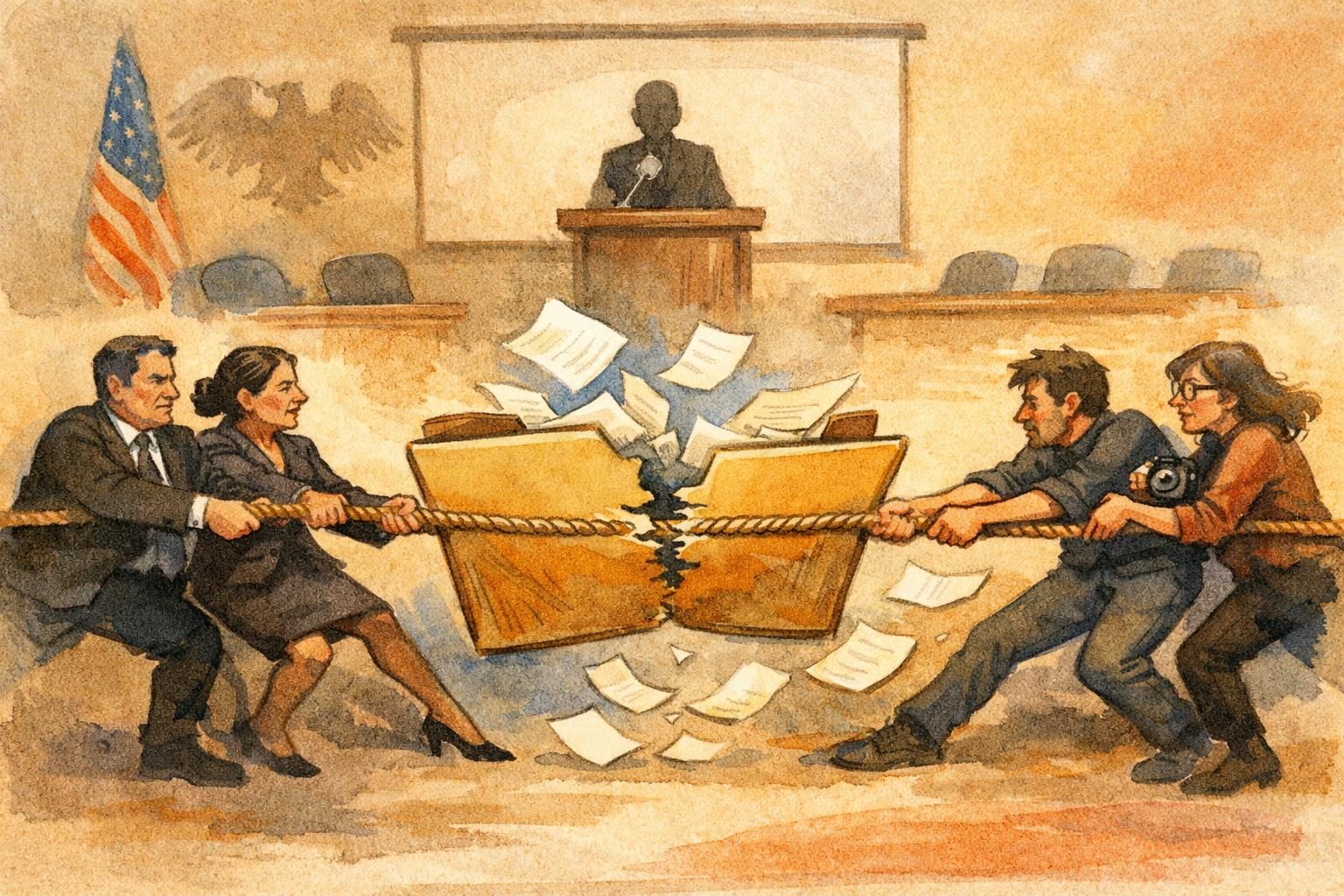
The Justice Department’s Office of Information Policy held a “Best Practices Workshop on Requester Negotiations” on August 11, 2026, and on its face it looked exactly like the kind of narrow administrative event most people would never notice. That is precisely why it matters. The federal records system runs on these kinds of small, procedural interactions, where a requester and an agency either find a workable path forward or harden into a dispute that can drag on for months. The workshop appeared on the department’s key-dates page and in OIP’s public training materials, making it part of the office’s regular calendar rather than a one-off gesture. In a year when fights over executive-branch secrecy remain politically charged, the fact that the department is still publicly staging a session on negotiations is a reminder that transparency is not some abstract value hanging over Washington. It is a daily management problem, and one that often decides whether the public gets records in time to matter.
The dry title of the session hides the reality of what requester negotiations are supposed to do. FOIA disputes can quickly become expensive, slow, and adversarial, but many of them never need to reach that point if agencies are willing to clarify scope, identify priorities, and work with requesters to narrow searches or refine wording. That is the theory, anyway, and it is the logic behind training staff to treat negotiation as a core skill rather than an inconvenience. The department’s own materials suggest that this work is not unusual or exceptional, but part of the routine machinery of access law. That may sound reassuring, yet it also underscores a less flattering point: if negotiation has to be repeatedly taught and reinforced, then the system still depends heavily on whether individual employees are willing and able to make disclosure easier instead of more difficult. The workshop therefore says as much about the endurance of FOIA friction as it does about any effort to improve it. It is a sign that the process still needs constant tending because the incentive to delay, narrow, or complicate requests has not gone away.
That tension is what makes the event politically relevant even without a headline-making fight attached to it. Open-government advocates have spent years arguing that agencies often handle records requests as burdens to be minimized rather than legal obligations to be met. A negotiation workshop does not prove bad faith, but it does reveal a bureaucracy that understands how much of the access battle is fought before anyone gets to a formal denial or appeal. If staff are not trained to engage constructively, requesters may end up facing unnecessary dead ends, broader exemptions, or simple delay. And in practice, delay is often its own form of denial, especially when the information sought has immediate public value. That is why a session like this can be read two ways at once: as evidence that the Justice Department is trying to promote better process, and as a quiet admission that the process itself remains fragile enough to require ongoing instruction. The existence of the workshop is not scandalous, but it is telling. A government confident in its openness would not need to keep reminding itself how to negotiate with the public.
The broader significance lies in how ordinary and consequential this kind of recordkeeping fight has become. FOIA is one of the main mechanisms through which the public can test what government agencies are doing, what they knew, and how they made decisions. That gives routine administrative training a larger political meaning, because the quality of those interactions can shape investigations, oversight, and public trust. If an agency is slow, defensive, or opaque, it does not just frustrate one requester; it can keep journalists, watchdog groups, researchers, and ordinary citizens from seeing evidence that might otherwise inform debate. By contrast, a more cooperative posture can make the difference between a usable disclosure and a paper chase. The Justice Department’s workshop does not settle that debate, but it does place the department on record as still investing attention in the mechanics of access. That alone is a small but revealing fact. It suggests that the records wars are not some fading relic of a previous era. They are continuing in the mundane spaces where deadlines are set, requests are framed, and whether the government talks straight can determine how much of the truth actually comes out.
Comments
Threaded replies, voting, and reports are live. New users still go through screening on their first approved comments.
Log in to comment
No comments yet. Be the first reasonably on-topic person here.