
Federal enforcement took a fresh swipe at somebody’s favorite loophole
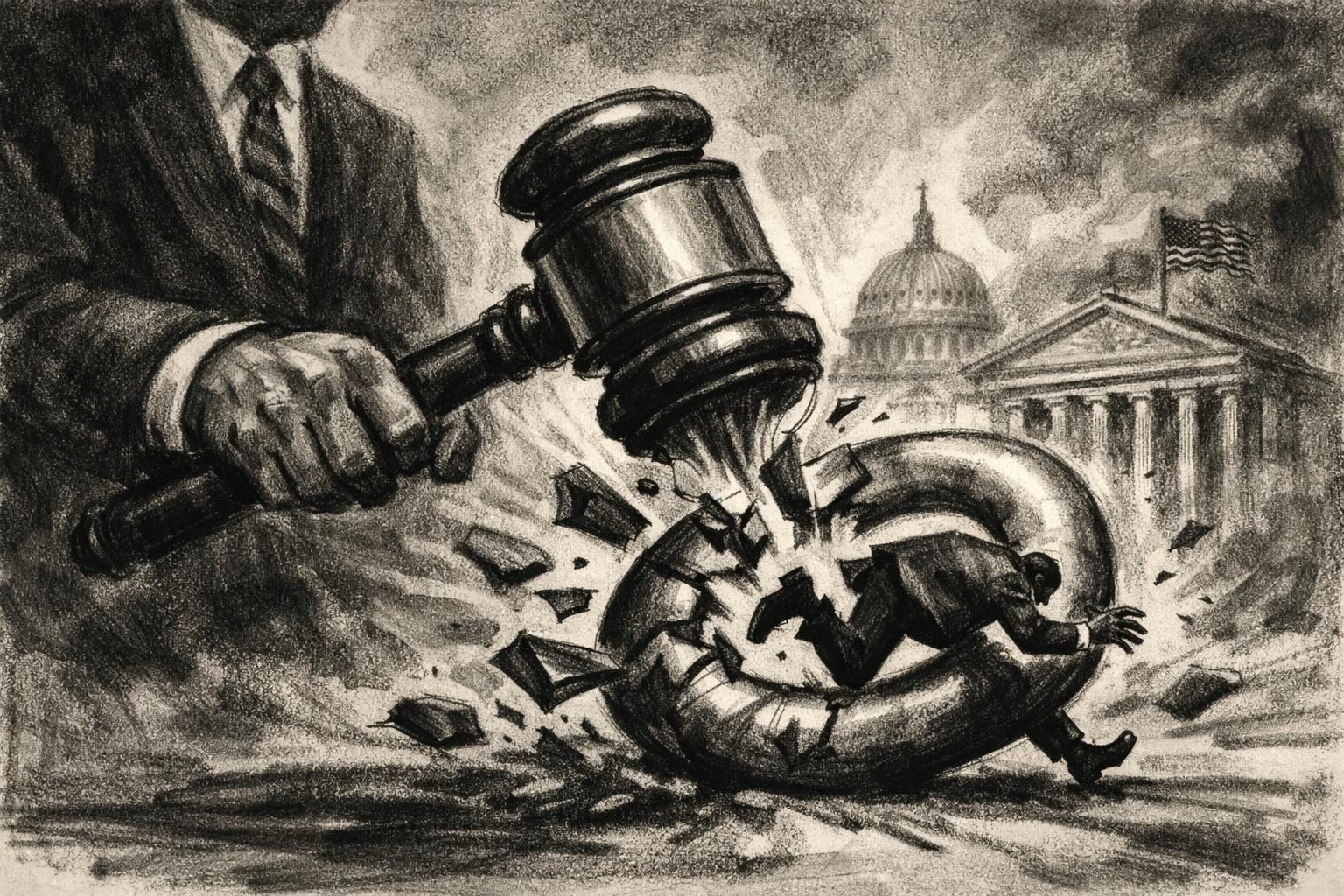
A new federal enforcement move on August 11 pushed an accountability fight forward in a way that matters beyond the usual burst of Washington noise. The action was not a recycled statement of concern or another promise to keep an eye on the problem. It was a concrete institutional step that changed the posture of the case and raised the pressure on the target, even if the final shape of the dispute is still not fully clear. In a city where agencies are often accused of preferring caution to consequence, the difference between talk and action is the whole story. That is why this development stands out: whatever comes next, the government has now done something that can alter litigation, compliance, or settlement leverage in a real way.
That distinction matters because enforcement is one of the few tools the federal government has when it wants to show that rules are not just decorative. A complaint can force a defendant to answer in public. A formal investigation step can make document production and testimony harder to avoid. A settlement can bring immediate obligations, reporting requirements, or monetary remedies. In some cases, the mere filing of a new action can change behavior before a court ever reaches the merits. Those outcomes are not interchangeable with press releases or vague pledges to protect the public. They are the machinery of accountability actually moving, which is why this kind of update deserves attention even when the underlying details are still developing. If the action turns out to be aimed at misconduct tied to labor rights, consumer abuse, corporate gamesmanship, or politically connected actors who have benefited from delay, the stakes only increase.
The broader political argument around enforcement is familiar, and it usually comes in two competing flavors. Critics on one side say federal agencies move too slowly, accept too little risk, and end up allowing bad conduct to metastasize while everyone waits for process to play out. Critics on the other side argue that enforcement can be selective, uneven, or shaped by ideology, with some targets getting the full weight of the government while others enjoy a lighter touch. Both critiques can be true at the same time, especially when a case is serious enough to matter but the state response still leaves plenty of room for doubt. That is why details matter so much here, and why the nature of the August 11 step is important even if the full record is not yet complete. A complaint, settlement, seizure, or other formal filing is not symbolic theater. It is the state choosing to act in a way that can have legal consequences.
The timing also makes the move more than an abstract exercise in enforcement optics. August 11 was the date that changed the equation, which means this is not just a story about long-running background tension finally being rediscovered by officials who had nothing better to do. It is an update to a live fight, and live fights create deadlines, responses, and second-order effects. Targets of federal action often have to decide quickly whether to contest the case, cooperate, negotiate, or seek to narrow the damage. Regulators and prosecutors also have to decide whether to escalate further or settle into a slower posture. That kind of momentum can matter as much as the initial filing itself, because once the government has committed to a new step, the case may move onto a timetable that is harder to control. In practical terms, enforcement can force disclosure, bring hidden conduct into the open, and make it more expensive to keep relying on the same loophole that worked before.
That is also why a move like this tends to draw attention from people who care less about cable-news drama and more about whether federal power is being used to police wrongdoing or merely to stage-manage it. A real enforcement action can expose facts, alter incentives, and create consequences that reach beyond one defendant or one agency headline. A weak one can look like theater designed to generate the appearance of seriousness without actually changing behavior on the ground. The line between those outcomes is often thin, and it is usually visible only in the details of the filing, the scope of the remedy, and whether the government follows through. For now, the key fact is that something changed on August 11, and that change is meaningful enough to move the dispute into a new phase. The government has taken a fresh swipe at a loophole that someone clearly found useful for a while, and the next steps will show whether this is a real push for accountability or just another brief burst of enforcement energy that fades before anything breaks.
Comments
Threaded replies, voting, and reports are live. New users still go through screening on their first approved comments.
Log in to comment
No comments yet. Be the first reasonably on-topic person here.