
Federal funding rules hit another legal wall
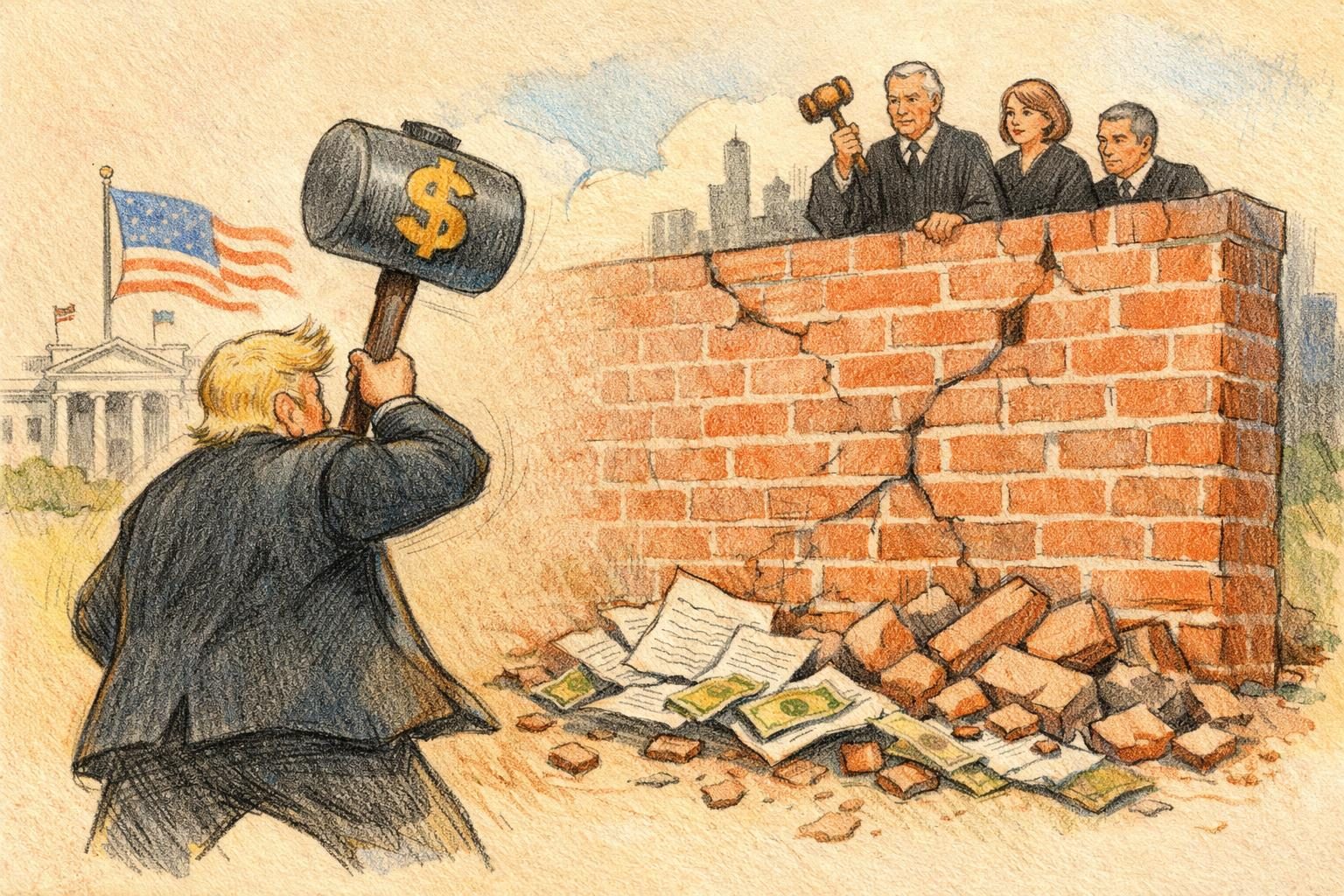
A multistate coalition of attorneys general and governors scored another court victory on August 11, this time blocking a federal effort to use grant conditions and related funding rules as pressure points against states and local governments. The ruling is part of a broader legal campaign aimed at the Trump administration’s repeated attempts to stretch administrative authority beyond the normal limits that govern how federal money is awarded, managed, and withdrawn. At the center of the dispute is a basic question with enormous practical consequences: once Congress has approved money and agencies have committed to a grant, can the executive branch later invent new reasons to tie that money up or cut it off? The court’s answer, at least in this case, was no. That matters because the fight is not really about one isolated pot of money; it is about whether federal grants can be turned into a rolling political weapon whenever the White House decides a state, city, or program has landed on the wrong side of its priorities.
The immediate result is another setback for an administration strategy that has repeatedly leaned on funding leverage to force compliance. State officials and their lawyers have argued that agencies are trying to convert ordinary grant administration into a loyalty test, and the courts keep finding that the legal theory does not hold up. In practical terms, the ruling reinforces the idea that the government cannot keep rewriting the terms of already-awarded money after the fact, especially when the new justification looks less like careful administration and more like retaliation. That is not a small point for states and local governments, which depend on federal grants to keep disaster response moving, public health systems functioning, transportation projects alive, schools supported, and a long list of other unglamorous but essential services from falling apart. When that funding becomes uncertain, the damage is immediate: programs scramble, officials are forced into emergency planning, and local agencies are left trying to guess whether the rules they were given yesterday will still exist tomorrow.
The coalition’s win also fits a larger pattern of judicial pushback. Across several disputes, judges have been increasingly skeptical of efforts to use grant conditions as a backdoor way to impose new policy demands or punish jurisdictions that the administration dislikes. That pattern does not mean every fight will come out the same way, but it does suggest the same fundamental problem keeps surfacing: agencies are trying to justify the withholding of money after the legal basis for that money has already been set. The courts have been signaling that statutory authority is not optional, and that federal officials cannot simply dress up political disagreement as a neutral funding rule. For state leaders, especially those in Democratic-led jurisdictions that have been frequent targets in these cases, the rulings provide both a legal opening and a political talking point. They can point to the decisions as proof that the administration’s preferred approach is less a serious interpretation of law than an attempt to intimidate opponents with the threat of budget pain.
There is also a broader institutional cost to this style of governing, one that goes beyond any single injunction or appeal. Every time an agency pushes past the usual guardrails and gets slapped down, it drains time, money, and trust from both sides of the federal relationship. States have to hire lawyers, reroute staff, and brace for the next attempt. Local programs have to operate under uncertainty. Federal agencies, meanwhile, end up spending their energy defending theories that judges may view as overreach instead of carrying out the work Congress actually funded. The political effect is just as corrosive. Rather than making government look strong or decisive, these moves make it look erratic, vindictive, and increasingly dependent on litigation to sort out what the rules should have been in the first place. The administration’s message to states, in effect, has been consistent even as the legal defeats pile up: comply with our demands or spend years in court proving we were bluffing. The latest ruling suggests that bluff is getting harder to maintain.
The larger significance may show up in future fights, especially if the federal government again tries to justify emergency action, fast-moving program changes, or conditional funding in a moment of real crisis. If agencies keep getting rebuked for overreach in ordinary circumstances, they may also find it harder to persuade courts and state partners that they deserve flexibility when speed actually matters. That is one reason these cases matter even when they involve a single grant program or a narrow set of conditions. They are teaching the judiciary, the states, and the federal bureaucracy what kind of behavior is acceptable and what kind of improvisation will not survive scrutiny. For now, the message from the courts is plain enough: the executive branch cannot keep inventing new ways to pressure governments after the money has already been promised. It has to live with the rules Congress wrote, or keep facing the kind of legal defeats that make the administration’s threats look less like governance and more like a very public case of administrative overreach.
Comments
Threaded replies, voting, and reports are live. New users still go through screening on their first approved comments.
Log in to comment
No comments yet. Be the first reasonably on-topic person here.