
States Keep Punching Back at the Federal Election Order
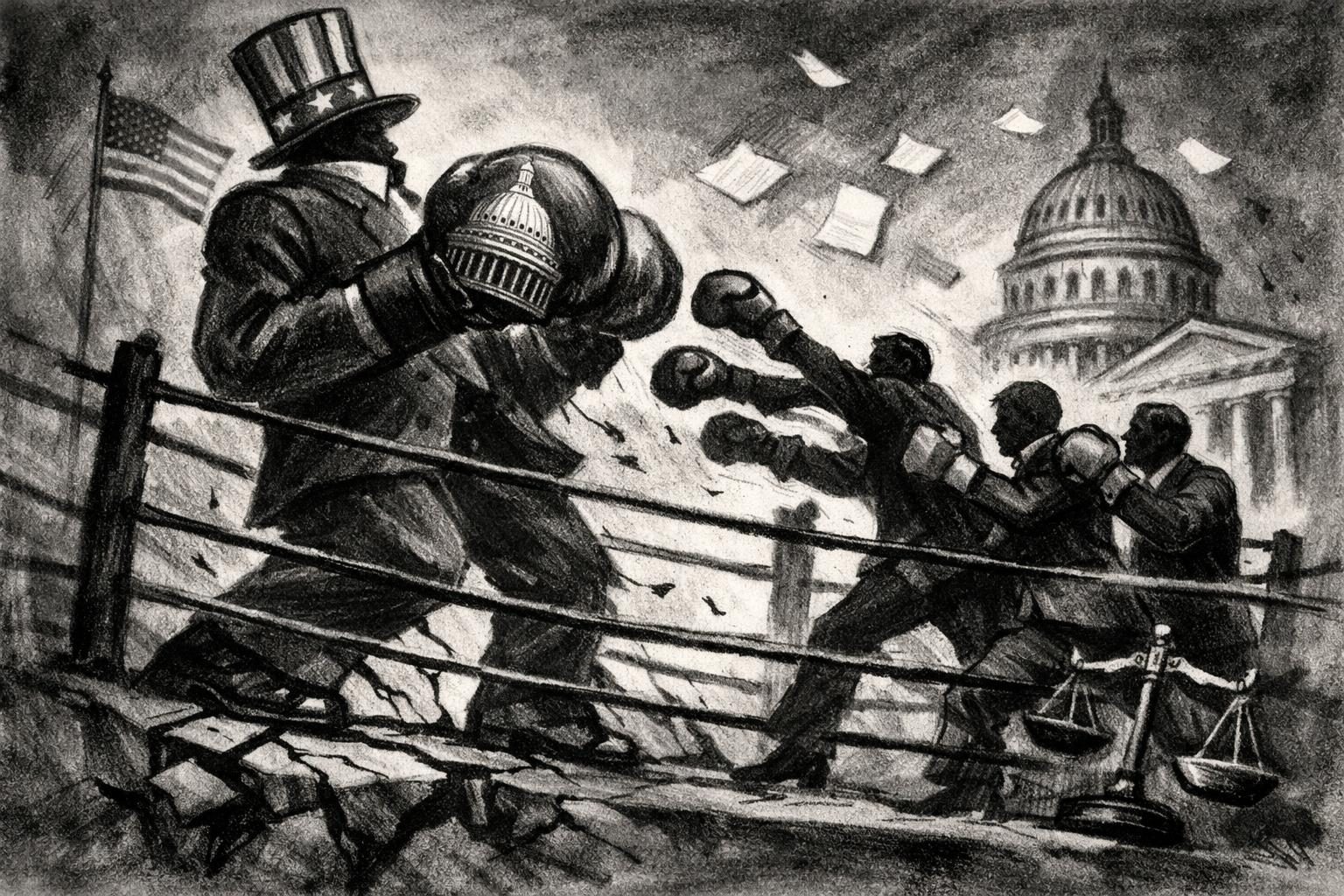
State officials are still meeting the federal election order with the kind of resistance that makes it look less like a governing document and more like a legal stress test. On August 11, the latest court activity again signaled that the administration’s bid to tighten federal control over elections is not sailing through on the strength of presidential will alone. Instead, it is colliding with states that insist election administration is not a blank space waiting to be filled in by executive decree. That is the central issue now: who actually has the power to set the rules for registration, voting, and ballot counting. The administration has acted as though restating its position can somehow turn it into law, but the courts have not been buying that theory. Each new filing, order, or ruling adds to the sense that the federal claim is still on shaky ground.
The legal fight is not just an abstract argument over government structure. It goes straight to the machinery that determines whether eligible voters can get on the rolls, whether ballots are accepted, and who gets to say those ballots count. States have responded by drawing a line around their authority and refusing to let Washington reach for the steering wheel. Attorneys general and election officials have been among the loudest voices pushing back, and their message has been consistent: the administration cannot simply declare itself the referee of American voting. That pushback has now been reinforced by court action that, at least for the moment, keeps the federal order from taking on the force the White House wanted. The result is a growing legal pileup that makes the administration look less like it is fixing an election problem and more like it is manufacturing one. Even the administration’s defenders have not been able to explain away the basic fact that a policy is not the same thing as lawful authority.
The states involved are not framing this as a partisan spectacle, even if the politics around it are obviously combustible. Their argument is built around constitutional basics: elections are governed by a combination of state authority and congressional rules, not by unilateral federal improvisation. That is why the challenge matters beyond the immediate dispute. If the administration could muscle past those limits, it would open the door to a model where presidential orders can reshape election procedures whenever the White House decides the existing system is inconvenient. Judges and state officials are treating that possibility as unacceptable, and their resistance suggests they see the order as an overreach that needs to be checked before it becomes a precedent. The administration keeps leaning on familiar language about integrity, security, and fraud, but those talking points have not supplied the missing legal foundation. At this stage, the courts appear to be asking a simpler question: where, exactly, does the administration get the power it is claiming?
The practical effect of all this is to leave the White House in a weaker position and the states in a more confident one as the 2026 election cycle approaches. Every setback forces federal officials to back off, narrow their ambitions, or face the possibility of an even sharper rebuke. That makes the election order less like a settled policy and more like an ongoing legal liability that keeps generating headlines for all the wrong reasons. State leaders, by contrast, can point to the latest court movement as evidence that their resistance is working and that election systems are not being handed over from one branch of government to another on command. The broader political narrative is also becoming harder for the administration to control. Instead of presenting itself as the architect of election reform, it is increasingly looking like a team that keeps trying to seize a role the Constitution does not give it. Whether the courts continue to hold the line or the administration finds a new angle, the immediate picture is clear: states are still punching back, judges are still skeptical, and the federal order still has not earned the authority it is pretending to have.
Comments
Threaded replies, voting, and reports are live. New users still go through screening on their first approved comments.
Log in to comment
No comments yet. Be the first reasonably on-topic person here.