
Justice Department keeps dumping Epstein records after promising transparency
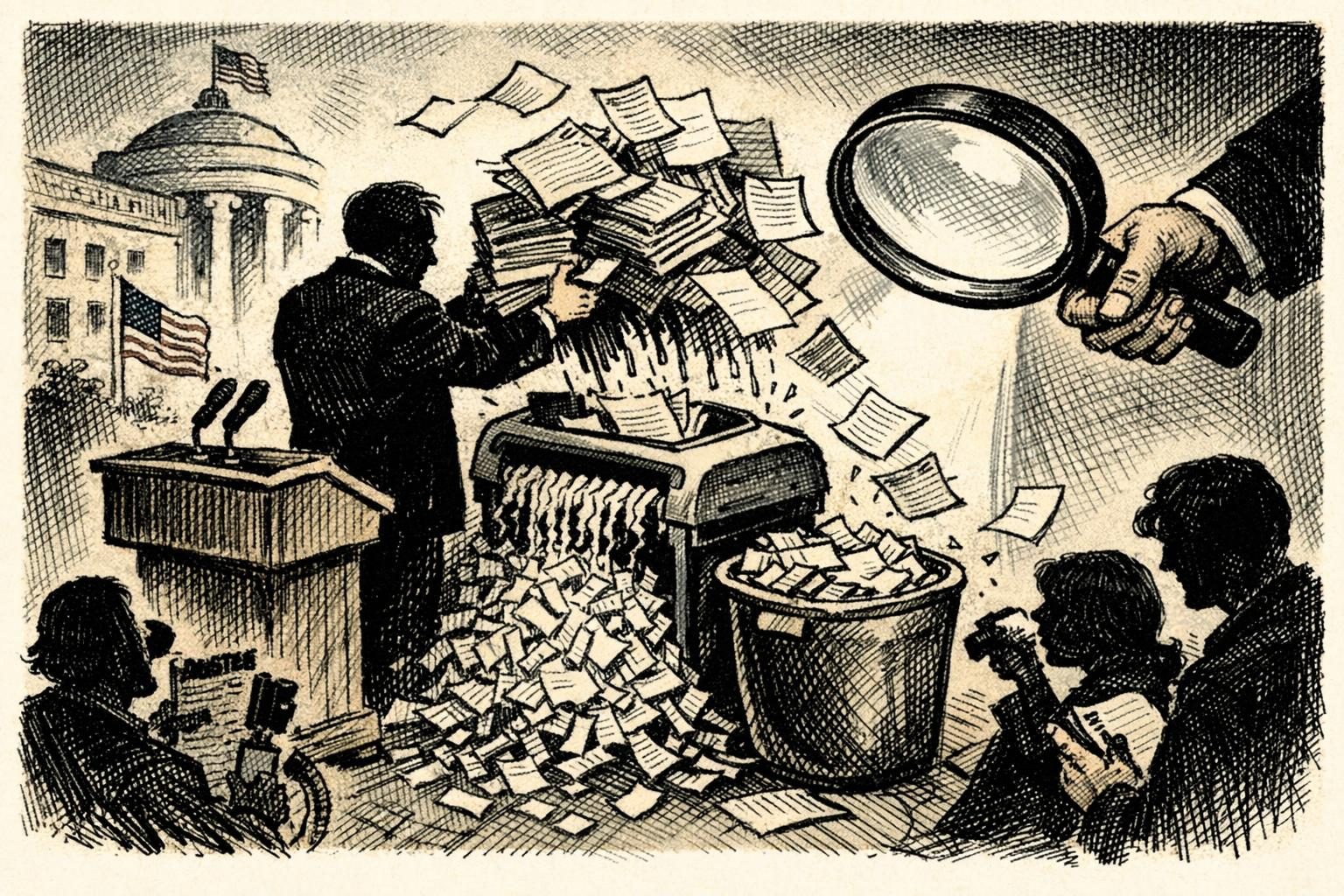
The Justice Department’s handling of the Epstein records is still evolving, and the fact that it is still evolving is the story. What might have looked like a one-time disclosure promise has become a continuing public-records exercise, with the department’s own materials saying it has already released millions of responsive pages under the Epstein Files Transparency Act. That alone has kept the issue alive in Washington, where every new batch of documents, every new explanation, and every new reservation about what remains withheld becomes part of the same accountability fight. The scandal itself is old, but the institutional response is not, and that distinction matters. If the department wants credit for openness, it also has to live with the scrutiny that comes when the public can see the gears turning in real time.
That scrutiny is not coming from nowhere. In a case tied to abuse, power, and years of unanswered questions, the public does not simply want volume; it wants a credible accounting of who knew what, when they knew it, and how aggressively federal authorities pursued the case at the time. The release process can therefore be read in two different ways at once. On one hand, publishing millions of pages is not a trivial act, and it signals an institutional willingness to put material into the public domain. On the other hand, the size of the release raises a different question: whether the department is opening the file in a meaningful way or shaping the record through selective disclosure and careful timing. That tension has become the core of the transparency fight, because in a high-profile case like this, any gap between the promise and the product quickly turns into a credibility problem.
The department is also operating in a politically charged environment where neither critics nor officials have much incentive to slow down. Victims’ advocates, transparency campaigners, and opponents of elite impunity are likely to treat every fresh release as proof that more should be disclosed, not less. They will also keep pressing for clearer explanations about what remains under seal, what standards are being used to withhold information, and whether the public is being given a full record or just a curated one. Department officials, by contrast, have every reason to present the effort as serious, orderly, and legally constrained. That posture is understandable, but it does not resolve the basic conflict. When a government says it is being transparent, the burden shifts to how that transparency looks in practice, especially in a case that has already damaged trust in institutions that were supposed to protect the public.
This is why the Epstein records remain a live political and accountability story rather than a stale reminder of a scandal that should have faded by now. The importance of the issue is not that a new indictment or fresh criminal allegation has suddenly appeared. It is that the Justice Department’s own actions keep the subject in motion, and motion creates new pressure for explanation. Each release invites the same larger questions about whether the government is truly opening the books or merely managing the optics of disclosure. And because the underlying allegations have long carried the weight of public suspicion about privilege, access, and institutional failure, there is no clean endpoint where officials can simply declare the matter settled. The continuing transparency process is itself the development, and that makes the story a current one even if the underlying conduct is not.
The broader political stakes are straightforward enough. If the department is seen as disclosing responsibly and comprehensively, it can argue that it is meeting its obligations while preserving whatever legal limits still apply. If the public comes to believe that the record is being trickled out, hedged, or narrowed, then the release effort will be remembered less as transparency and more as damage control. That is the risk built into any disclosure campaign involving a scandal as toxic as this one. The department cannot erase the history that produced the records, and it cannot expect the public to separate process from trust. What remains is a continuing test of institutional candor, and for now that test is still underway. The files are still coming out, the questions are still piling up, and the pressure for a fuller accounting is not going away.
Comments
Threaded replies, voting, and reports are live. New users still go through screening on their first approved comments.
Log in to comment
No comments yet. Be the first reasonably on-topic person here.