
House activity around the fiscal 2027 budget is live, and the calendar is telling on Washington
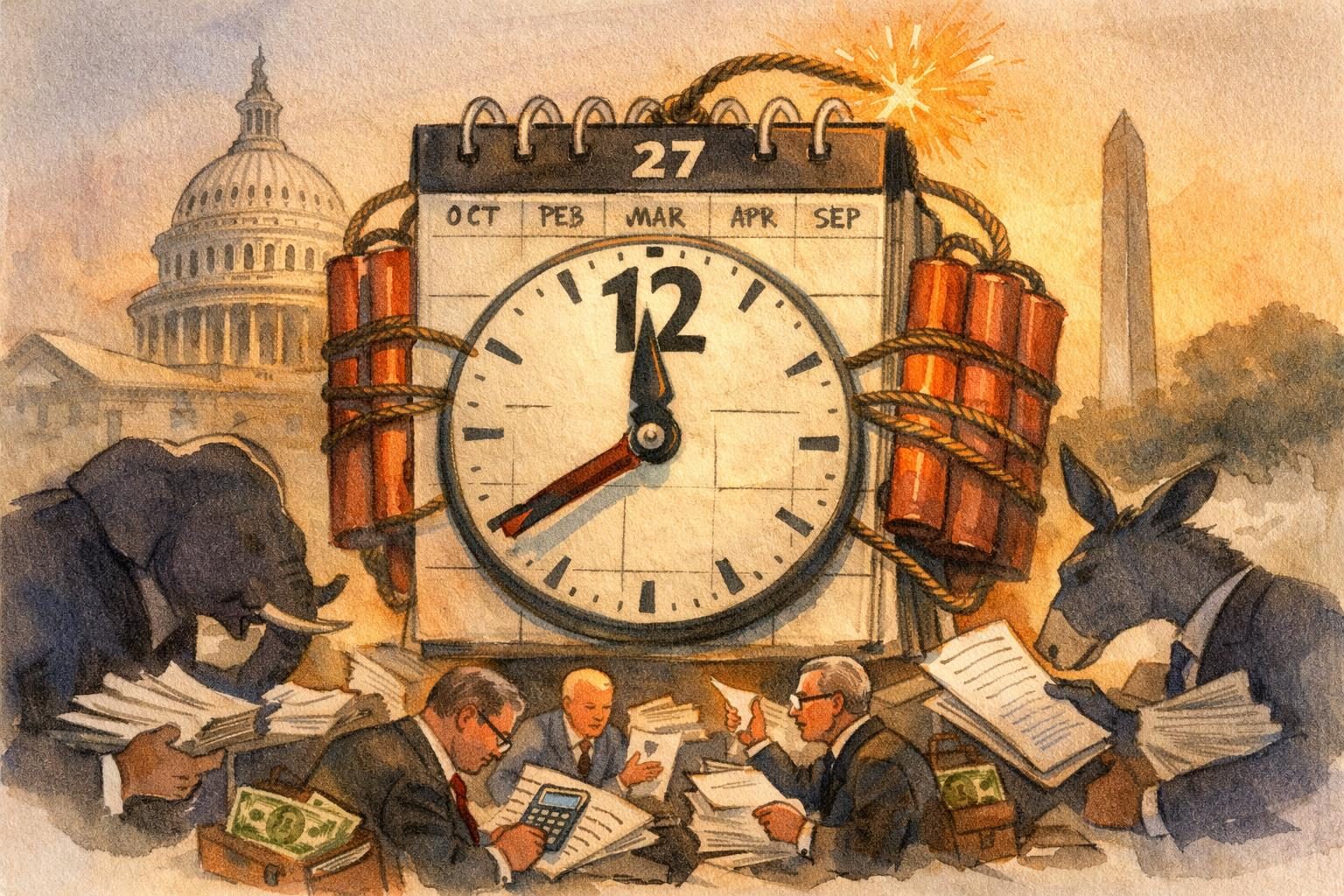
The House of Representatives’ legislative activity page places August 12 squarely inside the machinery of the fiscal 2027 budget cycle, a reminder that Washington’s most consequential fights are often hidden in plain sight inside scheduling pages and procedural calendars. Nothing dramatic has to happen on a given day for the budget process to matter; the very fact that the House is operating with this calendar in view tells you lawmakers are already moving through the early stages of a battle that will eventually decide what the government can spend, what it has to delay, and what gets left to the mercy of deadlines. That sort of activity rarely produces immediate spectacle, but it is exactly the kind of institutional motion that becomes politically expensive later. In Congress, the difference between a quiet calendar and a crisis is often just a matter of when members decide to notice the clock.
That is what makes this update worth watching even though it does not feature a marquee vote, a splashy hearing, or a dramatic floor confrontation. The budget process is not simply bookkeeping; it is the mechanism through which federal priorities become real, and through which the legislative branch either proves it can govern or advertises its inability to do so. Appropriations fights shape funding for agencies, enforcement priorities, public health infrastructure, climate-related programs, research, and a long list of other responsibilities that depend on congressional action rather than rhetorical commitment. When the House calendar shows the fiscal 2027 process in motion, it means the groundwork is being laid for those choices, even if the hard decisions are still ahead. In practical terms, this is the stage when the real negotiation begins, long before lawmakers pretend they were surprised by the pressure later on. The calendar does not reveal which factions will blink first, but it does show that the process is alive and that the risk of a self-inflicted standoff is not theoretical.
The broader political problem is that budgeting in Washington has become less a demonstration of governing competence than a recurring test of whether lawmakers can avoid turning ordinary deadlines into leverage. That dynamic is familiar enough that it barely qualifies as unusual, which is part of the problem. A budget calendar may look like dry administrative detail, but in Congress those details are where obstruction, bargaining, and blame assignment all begin. If members choose to frame funding decisions as a hostage negotiation, the calendar becomes the map for the standoff. If they choose to treat deadlines as serious, the same calendar can support a more orderly process. The House’s current posture does not tell us which path will prevail, but it does document the conditions under which dysfunction can spread. That is not a small thing, because once the budget timeline starts tightening, it becomes harder for anyone to claim the coming mess was unforeseeable.
There is also a reason this kind of procedural update matters beyond the narrow mechanics of appropriations. Budget fights are where almost every major federal priority eventually collides with the reality of limited time, limited trust, and unlimited appetite for political theater. Whether the issue is immigration enforcement, domestic health spending, climate policy, or the basic operation of agencies, the outcome often depends less on policy speeches than on who can hold a coalition together when the calendar turns unforgiving. A live House schedule tied to fiscal 2027 may not sound like the stuff of front-page drama, but it is the infrastructure of that drama, and it is already in place. The same Congress that will later lament rushed deadlines is the one laying down the timetable now. That is why a seemingly modest procedural development deserves attention: it is evidence that the next round of budget conflict is not a hypothetical, and that Washington’s favorite form of self-inflicted crisis is once again moving from abstract warning to active process.
Comments
Threaded replies, voting, and reports are live. New users still go through screening on their first approved comments.
Log in to comment
No comments yet. Be the first reasonably on-topic person here.