
Justice keeps its enforcement posture hot across civil-rights and immigration fights
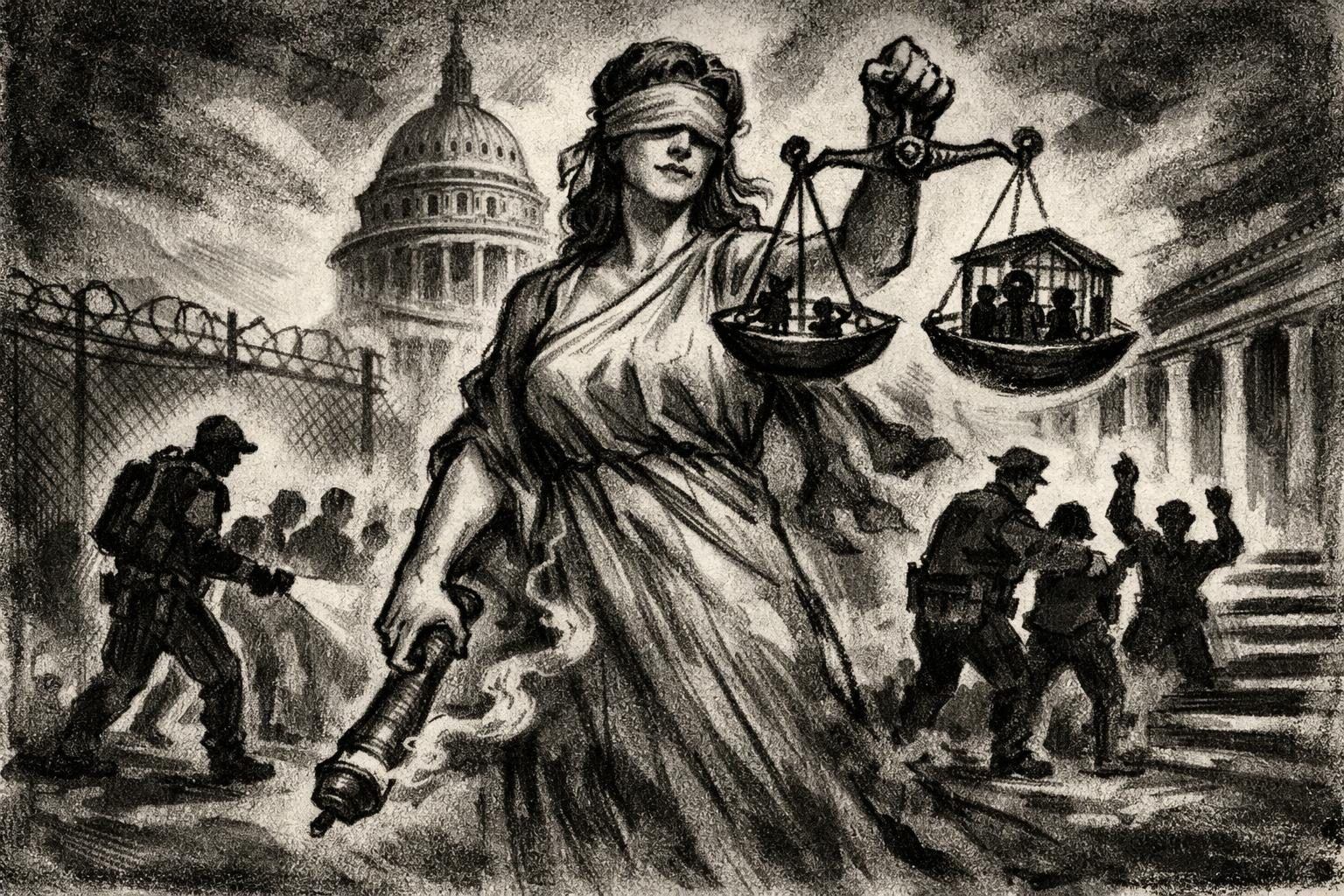
The Justice Department is ending the summer with its enforcement machinery fully switched on, and the public record makes that hard to miss. On its civil-rights pages, the department is listing a steady stream of recent lawsuits, settlements, and other actions that cut across immigration, employment, and broader discrimination disputes. The visible message is not one of retreat or quiet consolidation. It is a department still choosing to press cases, file complaints, and keep the pressure on through formal legal channels. Even with the underlying policy fights still unsettled, the enforcement posture itself is unmistakably active.
That matters because federal enforcement is where broad policy arguments become direct consequences for employers, local governments, and regulated entities. A speech, memo, or press release can be dismissed or debated, but a lawsuit or settlement demand forces a response. The department’s current docket suggests it is willing to keep challenging practices it sees as discriminatory or unlawful, including conduct tied to hiring, labor access, and treatment of workers with immigration-related concerns. The result is a kind of federal friction that can quickly become expensive and disruptive for targets of enforcement. For supporters, that is the point: making rights meaningful on the ground, not just in theory. For critics, it looks like an aggressive use of government power that can feel political as much as legal. Both reactions are baked into the current moment.
The civil-rights side of the department’s public materials is especially useful for showing how broad the posture has become. The department is not advertising a single flagship case and then standing still. Instead, the pages show an ongoing mix of litigation, negotiated resolutions, and section-level activity that suggests the civil-rights apparatus is moving on several tracks at once. That includes enforcement touching immigrant workers and employment discrimination, areas that often draw strong reactions because they sit at the intersection of business compliance, labor markets, and national politics. The department’s immigrant- and employee-rights work is a reminder that these fights are not confined to abstract constitutional questions. They also reach hiring rooms, payroll systems, and day-to-day workplace practices, where the consequences can be immediate and measurable. When the government leans in there, it is signaling that it expects institutions to change behavior, not simply defend it after the fact.
There is still some uncertainty in the bigger read of the moment, and that should not be papered over. A public enforcement page can show activity without fully revealing how large the campaign is, how coordinated it may be, or how durable it will prove over time. Some of these matters may ultimately produce major outcomes, while others may settle into routine administrative resolution. Still, the pattern is clear enough to support the conclusion that the department is not in a holding pattern. It is keeping its cases in motion, keeping its public-facing enforcement tools current, and keeping its options open across multiple fronts. In practical terms, that means the federal government is still willing to confront contested conduct rather than letting the controversy fade. Whether that looks like overdue accountability or heavy-handed overreach will depend on where each case lands, but for now the enforcement footprint is real, visible, and still expanding.
Comments
Threaded replies, voting, and reports are live. New users still go through screening on their first approved comments.
Log in to comment
No comments yet. Be the first reasonably on-topic person here.