
Supreme Court clock ticks in Washington prison fight
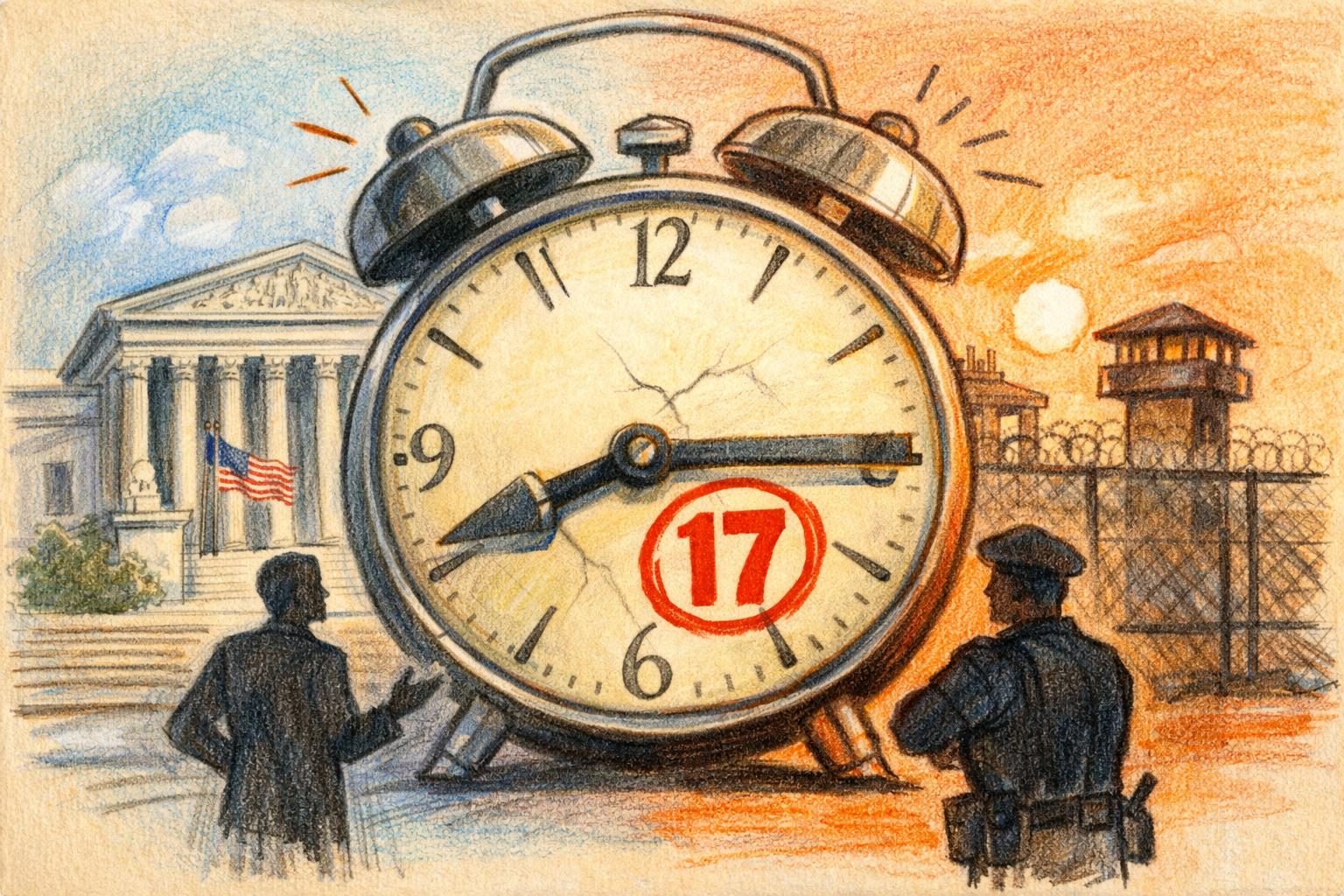
A fresh procedural clock is now running in the Supreme Court fight between The GEO Group and Washington state, with the docket showing a response deadline of August 17, 2026. The filing does not tell us how the justices will ultimately handle the petition, and it does not resolve the underlying dispute over prison policy or private contracting. But it does mark a concrete step in a case that has already become a proxy battle over how far states can go in limiting private prison involvement. The docket is publicly available and updated by the Court, which means this is not speculative chatter or recycled legal theater. It is a real calendar date attached to a live petition, and that alone is enough to keep the case on the radar.
The dispute sits inside a broader fight over whether states can meaningfully constrain detention contractors that have long pushed for room to operate inside public corrections systems. Washington officials have taken positions that resist broader private-prison influence, and that resistance is part of what gives the case its political edge. For advocates on the left, the issue is not simply whether GEO gets another chance to press its arguments, but whether companies in the private corrections business can keep using procedural access to chip away at state authority. Those companies have every reason to pursue any opening that might soften restrictions, broaden contracts, or create a path to more favorable legal treatment. Even when a petition is only at the response stage, it can function as a pressure point, forcing the state to defend its position again and again.
That is why the August 17 deadline matters even if it sounds mundane on paper. Supreme Court dockets are full of dates that never become much of anything, and most petitions never get the kind of review a company might want. Still, deadlines are how the system moves, and each one requires lawyers, staff time, and attention from both sides. Washington has to decide how forcefully to answer, GEO has to wait for the response and potentially a reply, and everyone involved has to keep the issue alive in a legal process that can stretch for months. In a political environment that often rewards exaggerated claims of urgency, this one is at least grounded in an actual public filing. That makes it more than a symbolic skirmish, even if the immediate consequences remain limited.
The practical stakes are modest for now, which is why this does not rise to the level of a major legal emergency. The petition’s mere presence on the docket does not mean the Court will take the case, much less rule in a way that changes the landscape for prison contracting nationwide. But the filing does show that private detention interests are still testing the boundaries of state power and looking for cases that might carry broader significance. If the petition gains traction, it could sharpen the already tense debate over outsourcing incarceration and the reach of state regulation. If it is denied or goes nowhere, the deadline will still have served as evidence that the fight remains active, with private corrections players continuing to probe for leverage wherever they can find it. Either way, the docket is a reminder that the prison-privatization battle is not some settled relic of the past; it is still working its way through the courts, one procedural date at a time.
Comments
Threaded replies, voting, and reports are live. New users still go through screening on their first approved comments.
Log in to comment
No comments yet. Be the first reasonably on-topic person here.