
New lawsuit says Trump is selling privileged access to his own policy posts
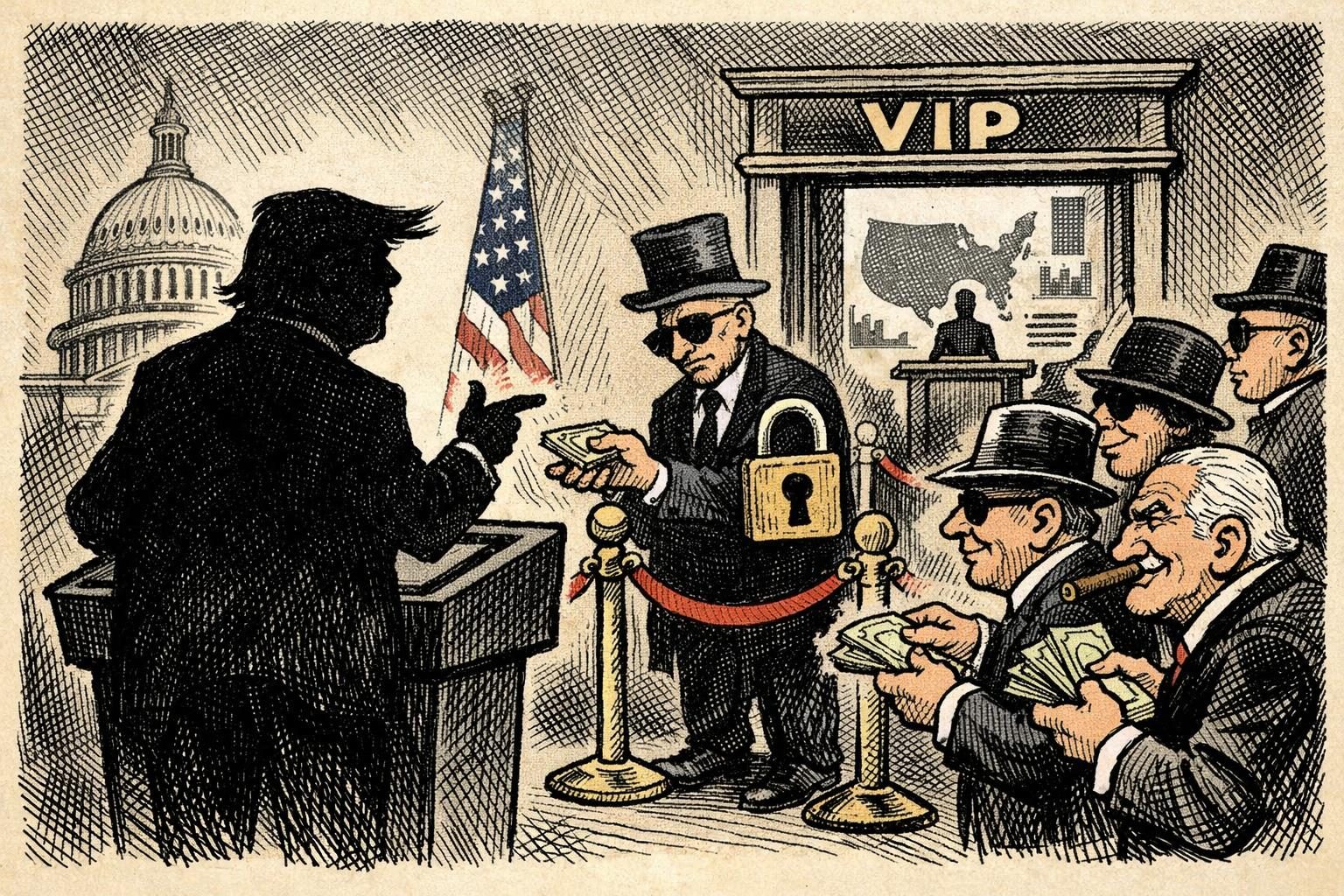
Donald Trump is once again facing a courtroom challenge over the way he blends public power and private profit, this time over a premium social media product that allegedly gives paying users advance access to his posts on tariffs, war, the economy and other matters that can move markets and shape policy debates. A federal lawsuit filed Wednesday says the arrangement amounts to more than a questionable business move: it is an unconstitutional way to monetize presidential communication by selling some people a first look at the president’s own words before the broader public can see them. The complaint targets Trump, along with Daniel Scavino and Natalie J. Harp, and asks a judge to block the setup. According to the filing, the service is not merely a faster feed or a more polished subscription product. It is a mechanism for turning official presidential commentary into a tiered commodity, one that can confer an advantage on those able to pay for access. In the most blunt terms, the lawsuit argues that if the president’s policy announcements are treated like premium content, then the public is being told to accept a two-speed democracy.
The core claim is as much about constitutional structure as it is about business ethics. Presidential statements are not ordinary celebrity posts, and the lawsuit insists they should not be parceled out selectively to paying customers, especially when those statements can immediately affect financial markets, international tensions or domestic political debate. If investors, lobbyists or other well-connected users can buy early access to policy pronouncements, the complaint suggests, then the ordinary public is no longer on equal footing with people who can afford to pay for an informational edge. That is the kind of arrangement that raises obvious fairness concerns even before anyone gets to the legal weeds. The filing appears to lean on the idea that government communications, when tied to official policy, are not supposed to be sold in a way that creates privileged classes of recipients. It does not take a constitutional scholar to see the issue at the center of the case: when does a president’s message stop being protected speech and start becoming a product sold through a private company that appears to benefit from its proximity to power? The answer may determine whether this lawsuit becomes a serious legal test or simply another warning shot in the long-running clash over Trump’s business entanglements.
That clash is what gives the new filing its broader significance. Trump has spent years drawing criticism for keeping one foot in the world of commerce while holding, or seeking, political power, and this case fits squarely into that pattern. Critics have already pointed to a string of ventures and side deals — including crypto projects, meme coins and other money-making efforts — as evidence that the line between office and enrichment is often thin to the point of disappearing. The lawsuit taps into that broader concern by arguing that the issue is not just what Trump is selling, but what he is selling access to. If the commodity is the president’s policy statements themselves, then the profit motive is tied directly to the exercise of public authority. That is why the complaint lands with a different kind of force than a routine dispute over branding or platform features. It suggests that the company’s business model may depend on the special value of presidential words, and that value exists precisely because those words are public acts with public consequences. Whether a court agrees is another matter, but the filing is trying to frame the case as a clash between private enrichment and the basic democratic principle that government speech should not be rationed to the highest bidder.
Trump Media, for its part, is expected to cast the arrangement as nothing more than a conventional industry product and the lawsuit as another political attack dressed up in legal language. That defense may be useful as a public-relations shield, but it does not answer the complaint’s central accusation: that a president’s policy-related posts are being packaged as a premium offering, with timing advantages that could matter to traders and other insiders. The case will likely turn on how a judge understands the relationship between the platform, the company and the office itself, and on whether the premium access truly amounts to an unconstitutional gatekeeping system rather than a garden-variety subscription feature. Even that framing, though, leaves the broader optics untouched. A publicly traded company tied to the president is selling earlier access to presidential commentary that can move markets, and the public is being asked to believe there is nothing unusual about that. If the lawsuit gains traction, it could become another high-stakes test of how much financial benefit a president can derive from his own megaphone before the arrangement starts to look less like media innovation and more like a paywall for power. If it fails, the filing will still stand as a tidy illustration of the modern Trump era: the office, the brand and the business model all fused together, with the public left to sort out where governance ends and monetization begins.
Comments
Threaded replies, voting, and reports are live. New users still go through screening on their first approved comments.
Log in to comment
No comments yet. Be the first reasonably on-topic person here.