
Justice Department Takes Another Hit in Rhode Island Court Fight
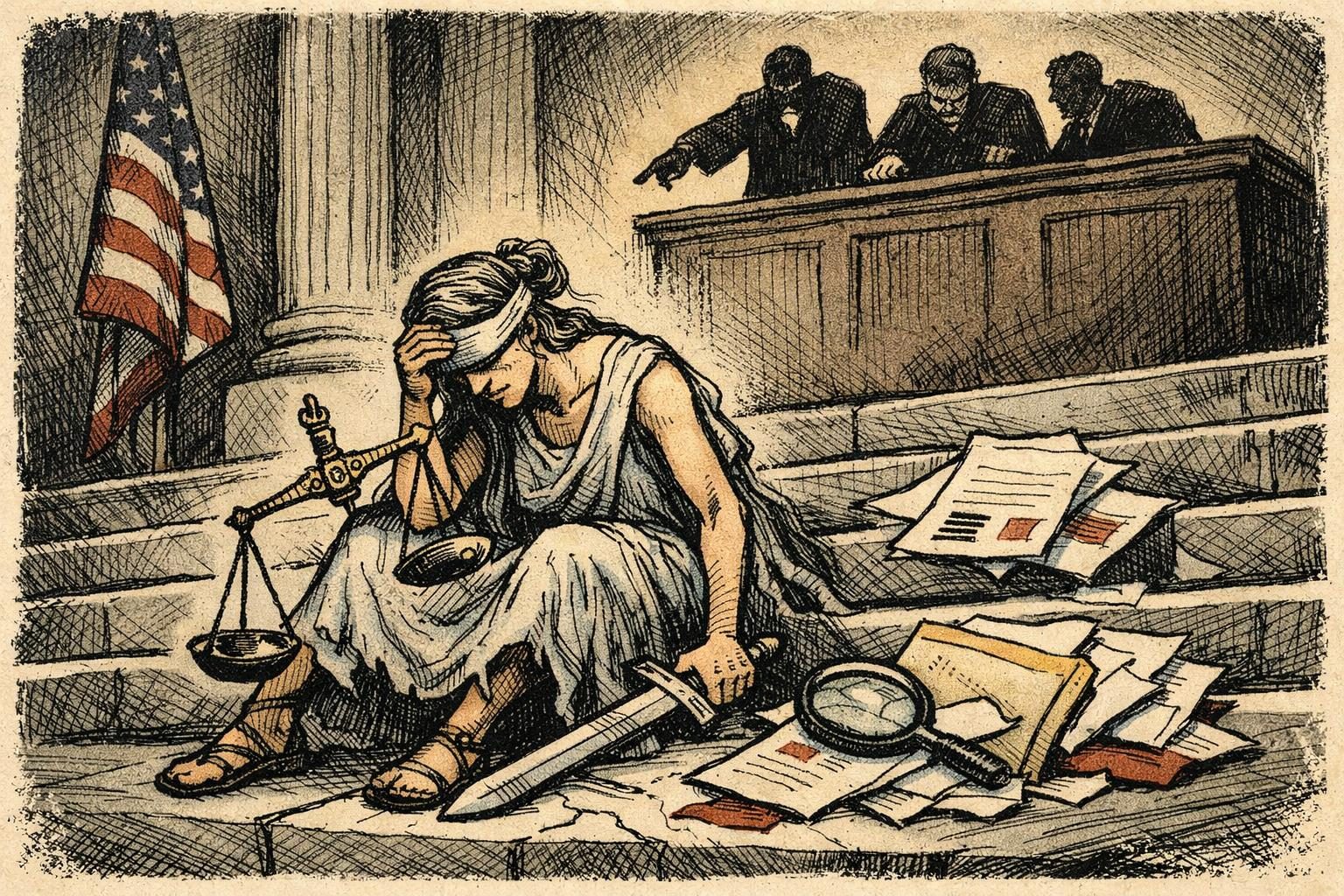
The Justice Department is once again on the defensive after a federal judge in Rhode Island issued a ruling that sharpened an already awkward dispute over how government lawyers handled the record in a case involving administrative subpoenas. According to the department’s own public statement, the court took issue with representations made by Civil Division attorneys and with information the government allegedly failed to provide. That is a bad combination for any litigant, but it is especially uncomfortable for the government, which is usually expected to meet a higher standard of candor when it appears before a court. The ruling on August 13, 2026, is not just another procedural wrinkle. It is the latest indication that the judge is frustrated with how the case has been managed and with whether the government has been fully transparent about what the court needed to know.
The department’s statement does not read like the sort of triumphant legal update agencies prefer to put out when a case is moving their way. Instead, it tries to explain and contain the fallout from a rebuke that appears to center on disputed representations and missing information. That matters because the problem here is not simply whether the Justice Department has the better legal theory. In court, legal arguments only travel as far as the judge’s trust in the people making them, and a credibility problem can be just as damaging as a bad ruling on the merits. If the judge concluded that important facts were obscured, misstated, or not provided when they should have been, then every later filing in the case is likely to be read with more skepticism. The government can still argue its substantive position, but it now has to do so under a cloud of suspicion that it helped create.
This is also not happening in a vacuum. The department said the case had already been complicated by an earlier order in May, which suggests the court’s concerns have been building rather than erupting out of nowhere. When a judge starts signaling frustration over more than one round of litigation conduct, the dispute stops looking like a one-off misunderstanding and starts looking like a pattern. That pattern can matter as much as the underlying statute or enforcement theory because it shapes how aggressively the court handles the next stage of the case. A judge who believes the government has not been straightforward may be less willing to give it the benefit of the doubt on timing, discovery, or the scope of relief. That does not automatically doom the Justice Department’s position, but it can make every procedural victory harder to obtain and every claim easier to challenge.
The broader political and institutional issue is obvious enough: the Justice Department likes to present itself as the sober legal referee in Washington, the place that values precision, process, and institutional restraint over noise and theatrics. A public court rebuke cuts against that image fast. It gives critics an opening to argue that the department is pushing too hard, moving too fast, or not respecting the ordinary discipline of litigation. It also hands opponents a simple narrative they can repeat without needing to get deep into the weeds of administrative subpoenas or procedural posture. Supporters of the department will almost certainly respond that the underlying legal issue still matters more than a messy exchange over filings, and that may be true. But once a judge has publicly called into question the government’s representations, the argument is no longer just about who is right on the law. It becomes about whether the court believes the government has been playing the case straight.
That kind of damage is not always dramatic, but it is real. A credibility hit can narrow the space for negotiation, encourage more aggressive challenges from the other side, and make future claims by the government easier to contest. It can also force senior officials to decide whether to stand by the litigation strategy or adjust it to reduce further exposure. Neither option is comfortable. If the department doubles down, it risks reinforcing the impression that it is dismissing the court’s concerns. If it pulls back, it risks looking like it conceded too much after being caught out on process. Either way, the episode becomes more than a single bad day in court. It turns into a reminder that in federal litigation, especially when the government is the party asking the court to act, trust is not a side issue. It is part of the case itself, and right now the Justice Department appears to have less of it than it needs.
Comments
Threaded replies, voting, and reports are live. New users still go through screening on their first approved comments.
Log in to comment
No comments yet. Be the first reasonably on-topic person here.