
Kennedy Center board votes to slap Trump’s name on the building
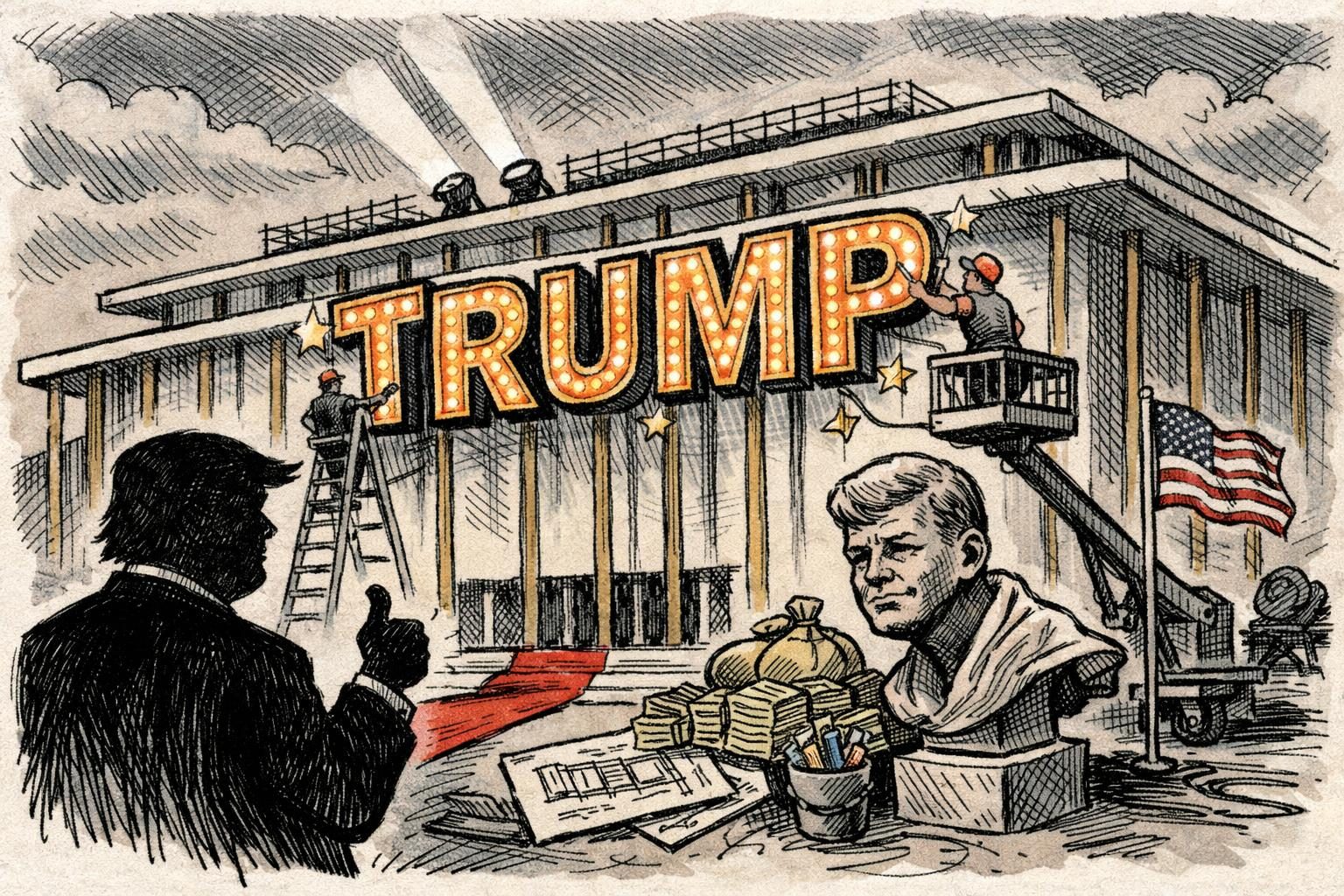
The Kennedy Center board took a deeply political step Thursday, voting to move ahead with a plan that would put Donald Trump’s name on the building’s facade while also preparing the institution for a two-year closure for major renovations. The decision transforms a nationally important performing arts venue into something closer to a monument to presidential branding, and it does so at a moment when the center is already in the middle of an identity shift. The board’s supporters are likely to describe the move as symbolic recognition, but the symbolism is obvious: this is not subtle tribute, it is a public-facing declaration of ownership in a place that was supposed to belong to the arts first. For an institution built to stand above partisan spectacle, the move lands with all the grace of a campaign sign bolted to marble. And because the board has been reshaped with Trump allies, the vote also reinforces the impression that the center is no longer being run with detachment from the political currents surrounding it.
The Kennedy Center matters in ways that go beyond architecture or prestige. It is one of the country’s most visible cultural institutions, a place where performance, public funding, and national image intersect in a way few other venues can match. That is why the decision to attach a sitting president’s name, or at least a president’s name still closely tied to the current political moment, raises immediate questions about stewardship and institutional independence. The building is not just real estate, and the board is not just a landlord trying out a new sign. When a national arts center starts looking like a branded trophy, the public is entitled to ask whether the mission is being preserved or overwritten. The timing only sharpens that concern, because the renaming effort is unfolding alongside a renovation plan that will temporarily shut the building down and give the whole project the feel of a reset, not merely a repair. In other words, the center is not just being updated; it is being reintroduced with a new political signature.
There is a reason the move is being read by critics as more vanity than governance. Trump’s political style has always leaned hard on visible dominance, personal branding, and the conversion of institutional spaces into extensions of his own image. That instinct may play well with supporters who like the idea of their leader’s name stamped onto high-profile places, but it is a jarring fit for a national arts venue that historically has relied on a sense of neutrality and broad public legitimacy. The board’s decision suggests that cultural prestige is now being treated the same way Trump-world tends to treat towers, golf clubs, and rally stages: as assets to be named, claimed, and made unmistakably loyal. Even if the renovation itself is justified on practical grounds, the naming component is what gives the whole project its unmistakably political edge. It is hard to argue this is simply about honoring a patron when the effect is to make a shared civic space feel personalized, territorial, and a little bit performative. The result is a message that says less about the arts than about power, and who gets to put their signature on the nation’s cultural landmarks.
The reputational risk is not hard to see. Artists, donors, audiences, and ordinary members of the public who view the Kennedy Center as a national institution rather than a partisan trophy may find the branding effort distasteful at best and corrosive at worst. A cultural venue is supposed to widen the frame, not narrow it around one political figure’s name. The choice to make the building itself carry that name also means the center will spend the next stretch of time closed for renovations while the symbolic rebrand settles in, which only amplifies the sense that the institution is being reissued in Trump’s image. That may thrill the president’s allies and his most loyal supporters, who tend to prefer gestures that are loud, unmistakable, and impossible to ignore. But for everyone else, the vote looks like another example of public institutions being bent toward personal mythology. The board may insist it is managing a renovation, but the broader impression is that it is participating in a political redecoration of a national symbol. And once a place like the Kennedy Center starts accepting that kind of personalization, the line between caretaking and capture gets a lot thinner than anyone should be comfortable with.
Comments
Threaded replies, voting, and reports are live. New users still go through screening on their first approved comments.
Log in to comment
No comments yet. Be the first reasonably on-topic person here.