
Pennsylvania sues over federal threats to FEMA money and election autonomy
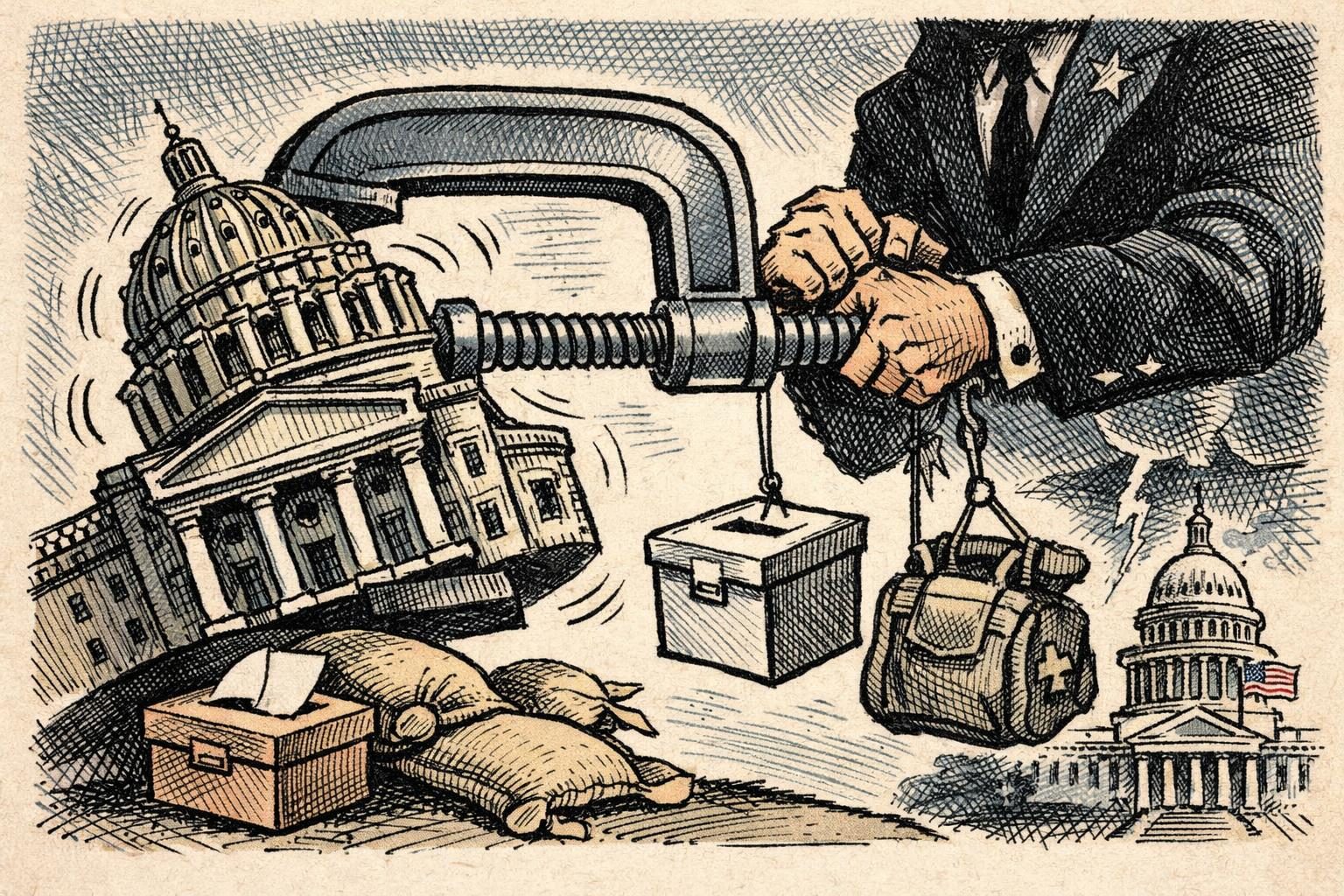
Pennsylvania has opened a new front in its fight with Washington, filing a legal challenge that says the federal government is trying to use both election administration and disaster money as tools of pressure. At issue are conditions the state says would force it to bend its own policies toward the administration’s preferred approach, one tied to election rules and another tied to how federal emergency aid is distributed. The governor’s office is treating the move as more than a routine dispute over paperwork or program compliance. In its telling, the federal government is reaching for leverage where it should be offering neutral support. That is the core of the complaint: what should be two separate public responsibilities are being folded into a single political bargaining chip.
The state’s objection lands especially hard because the two arenas involved are among the least suited to partisan horse-trading. Election systems are supposed to be run under clear rules, with states carrying the main responsibility for how ballots are handled, how voters are served, and how procedures are administered. FEMA funding, meanwhile, is meant to help communities prepare for and recover from disasters, not reward political loyalty or punish resistance. Pennsylvania’s filing argues that turning either of those functions into a condition for federal favor would distort how government is supposed to work. The practical message, the state says, is hard to miss: comply with Washington first, and worry about the needs of your own residents second. That is the kind of pressure states say they cannot accept without giving up meaningful control over basic government operations.
The lawsuit also fits into a larger pattern that has been building through repeated fights between states and the Trump administration over who gets to set the terms of routine administration. Pennsylvania is not alone in viewing the federal government’s approach as an attempt to convert policy preferences into mandatory obedience. The legal challenge follows a broader wave of disputes in which Democratic-led states have gone to court to block what they see as federal overreach into areas traditionally handled at the state level. Those fights have often centered on the same underlying question: when does enforcement of federal priorities cross the line into coercion? Pennsylvania’s answer is that the line has already been crossed when emergency aid and election administration are used to extract concessions. Supporters of the administration are likely to argue the opposite, saying Washington is simply insisting on compliance with lawful standards and making sure federal dollars are tied to legitimate conditions. But even if the government frames the policy as routine oversight, the state says the effect is anything but routine.
If Pennsylvania succeeds, the case could become a warning label for similar tactics elsewhere, since other states are likely watching for a court ruling that limits how far federal officials can go in attaching strings to grants and administrative approvals. A favorable decision for the state could offer a roadmap for challenging future conditions that state leaders believe amount to political blackmail dressed up as oversight. A loss, by contrast, could invite more aggressive use of federal leverage in disputes over voting rules, disaster preparedness, and other areas where the government can apply real pressure without formally changing the law. For now, the immediate effect is more litigation and more uncertainty, exactly the kind of drag that state officials say comes from turning ordinary governance into a test of loyalty. The broader political fight is unlikely to end with this filing, but the complaint makes one thing clear: Pennsylvania sees the federal government’s approach not as coordination, but as coercion, and it is prepared to say so in court.
Comments
Threaded replies, voting, and reports are live. New users still go through screening on their first approved comments.
Log in to comment
No comments yet. Be the first reasonably on-topic person here.