
Labor Department keeps union-election misconduct cases moving
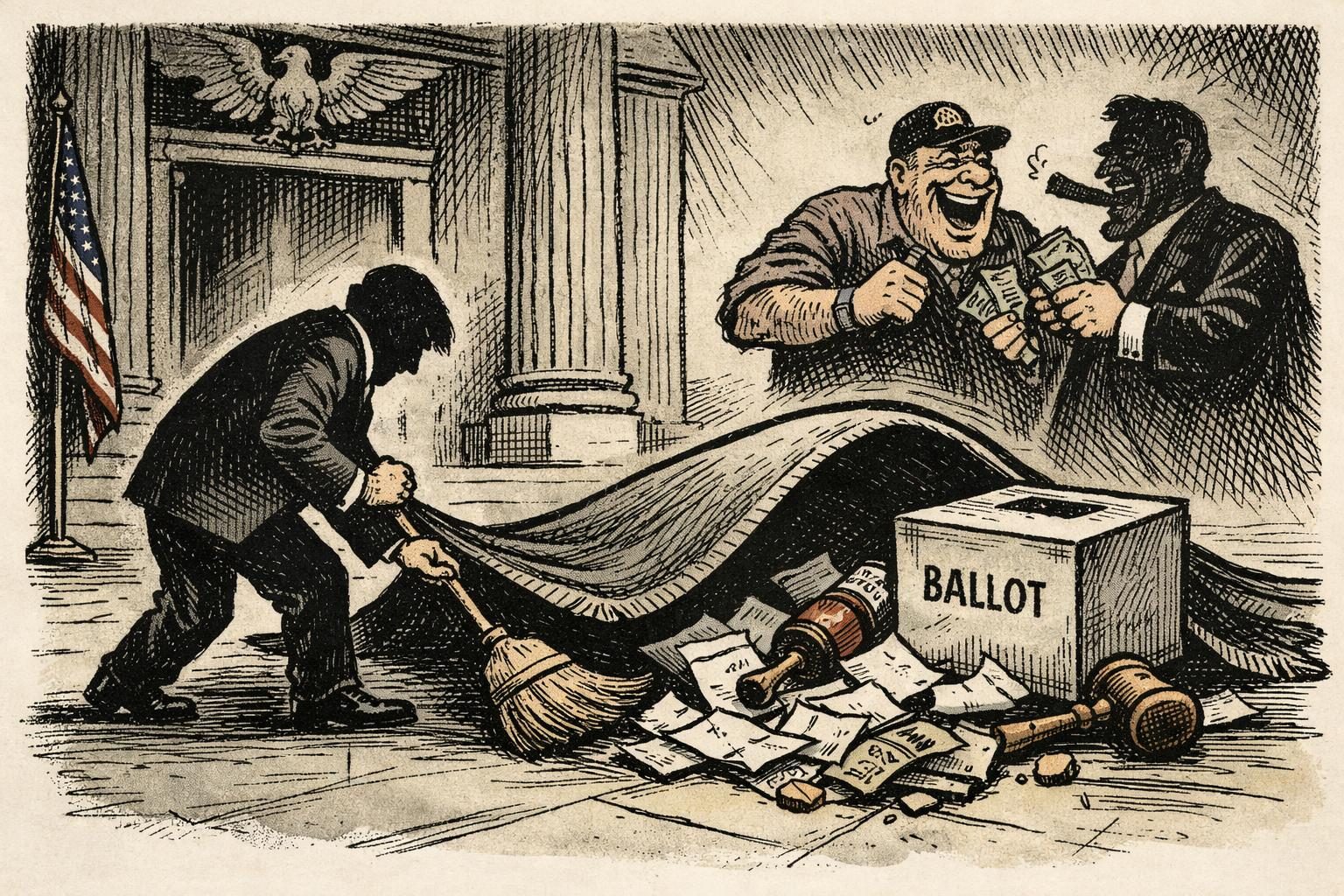
The Labor Department’s union-election enforcement docket kept moving on August 13, 2026, with a fresh reminder that labor democracy is only as sturdy as the people responsible for running it. The latest batch of election-related matters did not present one giant scandal or a single headline-grabbing collapse. Instead, it showed something more ordinary and, in some ways, more revealing: the steady grind of federal oversight in cases where union officer elections need review, correction, or formal agreement to fix defects in the process. That may sound like the kind of bureaucratic housekeeping most people never notice, but it is central to how unions claim legitimacy. If members believe the rules are rigged, ignored, or selectively enforced, then the entire structure starts to look less like internal democracy and more like a closed shop for whoever already holds power. The department’s continuing involvement suggests those concerns are not theoretical. They are still showing up often enough to justify active enforcement.
The new and continuing cases also underscore a basic fact that gets lost when union politics is reduced to slogans: internal elections can go sideways in ways that require outside intervention. Complaints about officer races, procedural violations, or post-election disputes do not automatically mean corruption, but they do mean the process is under enough strain that federal officials have to stay involved. In some matters, voluntary compliance agreements appear to be the preferred tool, which points to a practical reality inside the agency. Rather than waiting for a fight to harden into a full-blown legal confrontation, the department is still using supervised fixes to get elections back on track. That is not a sign that everything is fine. It is a sign that the system is fragile enough to need regular repair. When the department keeps opening or continuing these cases, it is effectively acknowledging that union governance can drift away from the standards members are supposed to expect.
The timing matters too. The Trump administration has been loudly recasting labor priorities through executive actions and agency messaging, and that makes even routine enforcement feel politically loaded. Every move by the department now gets read through a partisan lens, especially by labor advocates who are watching for signs that worker-rights language is being used selectively. If the administration says it wants to restore order and fairness, then election enforcement becomes part of the evidence. If it is serious about that claim, the agency has to police union misconduct consistently rather than only when it fits a broader political narrative. The existence of ongoing compliance agreements suggests the department still sees enough problems to demand structured oversight instead of simply trusting local leaders to sort things out themselves. That can be read two ways. Supporters of stricter enforcement can say the department is doing exactly what it should. Skeptics can argue the persistence of these disputes proves that federal labor governance has not solved the underlying institutional weaknesses that keep producing them.
What stands out most is not the drama of any one case, but the accumulation of them. Case after case, the department’s election-enforcement machinery keeps reminding everyone that union power depends on procedures that members can believe in, not just on formal titles or long-standing influence. These are the kinds of disputes that rarely dominate the national conversation, yet they matter because they expose where democratic rules inside labor organizations break down in practice. When elections are mishandled, contested, or stabilized only through federal intervention, the damage is not confined to a single local or a single campaign. It erodes trust in the broader idea that unions are governed by their members rather than by a small set of insiders. For an administration eager to claim it is restoring order, that is an awkward ledger entry. It suggests the government is still spending time and resources cleaning up preventable dysfunction inside institutions that are supposed to embody worker power. That is not a triumphal story, but it is a consequential one.
Comments
Threaded replies, voting, and reports are live. New users still go through screening on their first approved comments.
Log in to comment
No comments yet. Be the first reasonably on-topic person here.