
Election calendars are tightening, and state officials are racing their own deadlines
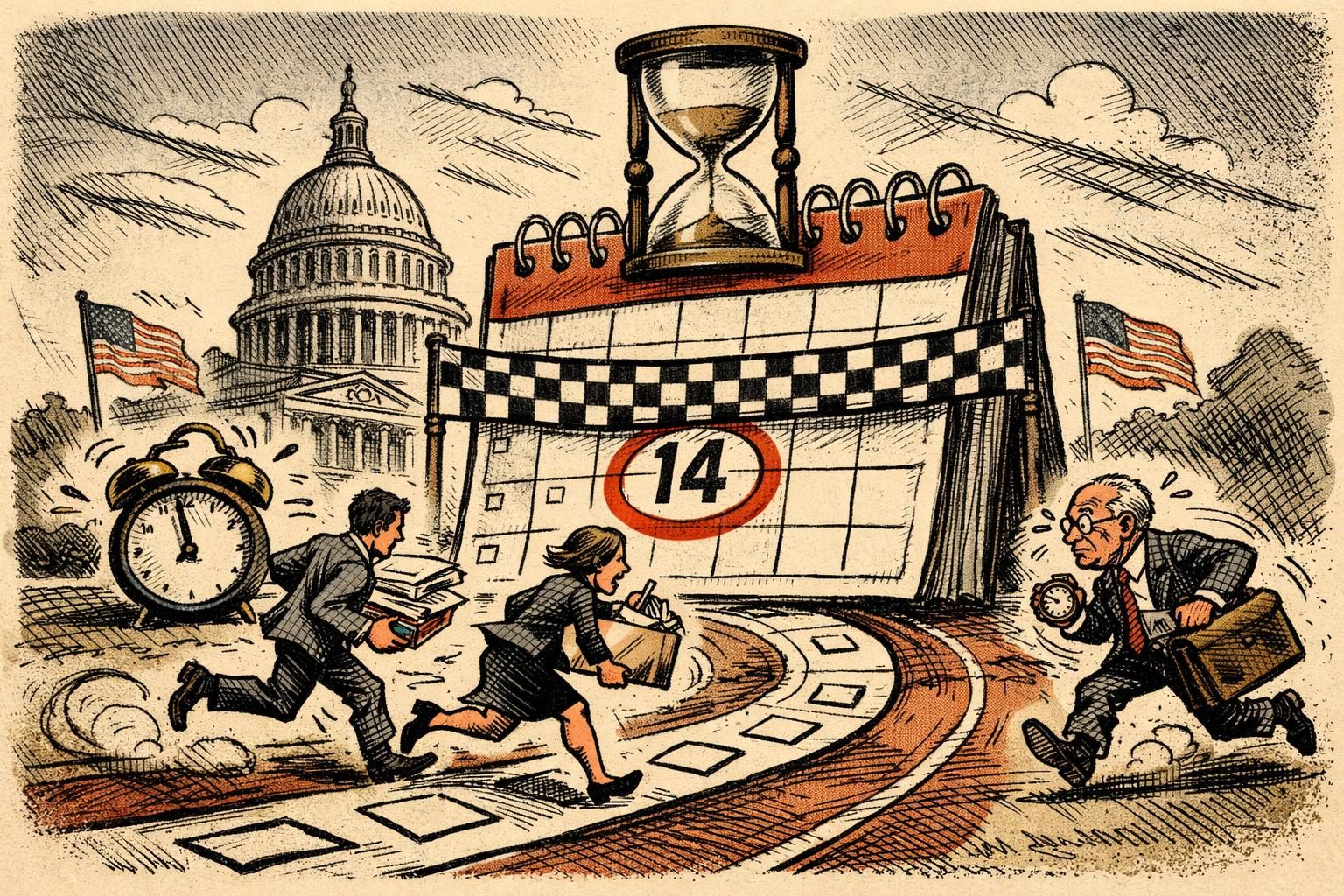
August 14 looked ordinary on the surface, but in election administration terms it was one of the dates that quietly locks in the shape of a general election. In states such as Texas and Indiana, the calendar marked the day as a deadline for a cluster of candidate-related filings, ballot questions, and other pre-election housekeeping items that cannot be deferred once they come due. Those are not glamorous milestones, and they rarely produce the kind of public drama that comes with rallies, debates, or court arguments. Still, they are the moments when the election stops being an abstract fight over rules and becomes a concrete process with names, dates, and forms attached. Once a deadline passes, the choices available to campaigns and officials narrow quickly, and the room for improvisation starts to disappear.
That matters because election administration is where political conflict gets translated into paperwork, and paperwork has its own way of deciding winners and losers. A filing deadline may sound technical, but it can determine whether a candidate appears on the ballot, whether a ballot measure survives review, or whether an election office has enough time to correct an error before ballots are printed. In a cycle already full of disputes over voting rules, ballot access, and the authority of state officials to set and enforce procedures, even routine calendar markers take on a sharper edge. The bigger point is not that a single date on a calendar is explosive in itself. It is that in the current environment, any administrative step can become the starting point for a larger fight if campaigns or parties believe the rules were bent, misread, or applied unevenly. What begins as a missed form or a disputed certification can turn into a county-level dispute, then a state court case, and eventually a broader political controversy.
There is also an institutional story here, and it is less visible but just as important. Election officials are being asked to run a high-stakes process under intense scrutiny, partisan pressure, and the constant possibility of litigation. That means the work of tracking deadlines, reviewing submissions, and making sure the administrative record is clean is not just bureaucratic maintenance; it is part of preserving the legitimacy of the whole system. If a campaign misses a filing deadline, the consequences can be immediate and, in some cases, irreversible. If an official misreads a calendar or applies a rule inconsistently, the damage can spread just as quickly. That is why the buildup to November is not really a single event but a long sequence of operational checkpoints, each one with its own risk of dispute. The public may not notice them unless something goes wrong, but the election machinery depends on them being handled correctly.
The August 14 deadlines are also a reminder that the 2026 cycle is moving out of the realm of speculation and into the realm of execution. For months, the political conversation has centered on possible matchups, likely ballot fights, and the legal boundaries of voting administration. Now the calendar is forcing the issue. Candidates have to make final decisions. Election offices have to confirm what will and will not appear on the ballot. Lawyers have to decide which disputes are worth pushing and which ones are already too late to fix. That shift from theory to operations is one reason these dates deserve attention even when they do not produce headlines of their own. They show the election season hardening into its rule-bound phase, where the deadlines are real, the consequences are immediate, and the space for last-minute maneuvering is shrinking by the day. In that sense, August 14 was less a deadline than a checkpoint, a quiet reminder that the machinery of the election is already moving toward November whether the political class is ready for it or not.
Comments
Threaded replies, voting, and reports are live. New users still go through screening on their first approved comments.
Log in to comment
No comments yet. Be the first reasonably on-topic person here.