
Court pushes back on the feds’ voter-roll fishing expedition
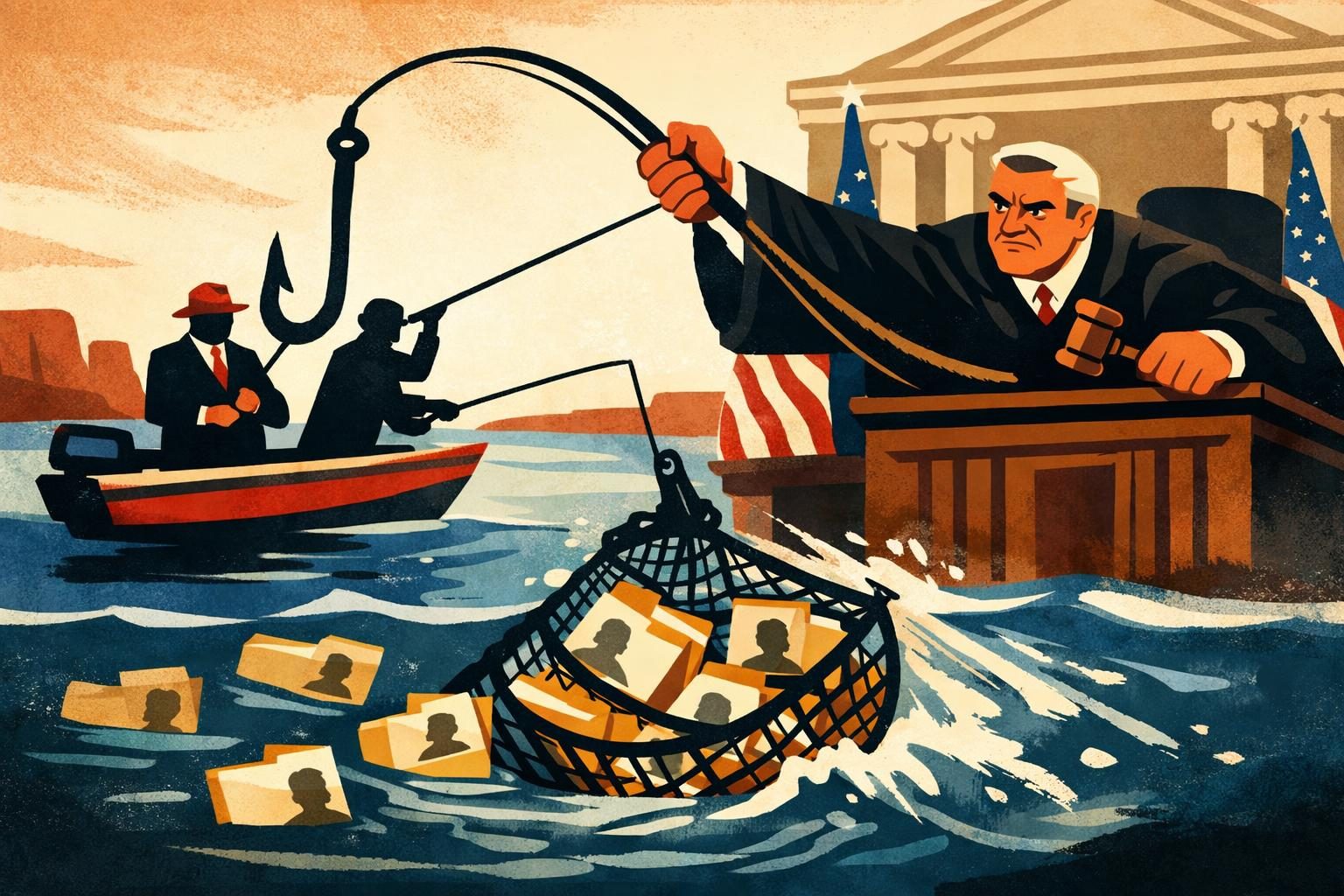
A federal judge in New Mexico has blocked the Trump administration from forcing the state to hand over unredacted voter-registration rolls, handing the White House another loss in its increasingly aggressive campaign to obtain state election data. The ruling, issued on August 14, 2026, leaves intact New Mexico’s redactions of sensitive personal information and rejects the administration’s push for a fuller data set. At its core, the fight is over how much access federal officials can demand to voter records and whether that access can include private details that states say are not theirs to disclose in bulk. For now, the answer in New Mexico is no. The state keeps control of the information, and the administration is left with one fewer path to the records it wants.
The decision matters because the dispute was never just about one state’s files. New Mexico became one front in a broader effort by the administration to pressure states into turning over large volumes of election-related data in a form that alarmed privacy advocates, civil-rights groups, and election administrators. Those critics have argued that requests for raw voter information can be used to intimidate officials, amplify distrust in election systems, or build politically sensitive databases that go well beyond any routine federal oversight function. The administration, for its part, has maintained that it has a legitimate interest in election integrity and in obtaining information that it says can help examine voter-registration practices. The judge’s ruling does not settle the larger national dispute, but it does show that courts are willing to draw a line when federal demands collide with state privacy protections.
The case also highlights a recurring tension in American election law: states run elections, but the federal government retains certain limited powers to regulate and investigate how those elections are administered. That balance becomes especially fraught when Washington seeks information that states consider confidential or outside the scope of what federal law authorizes. In this instance, New Mexico had already redacted sensitive details from the registration rolls, presumably to protect information that could expose voters to identity theft, harassment, or other misuse. The administration wanted the unredacted version, and the court refused. That refusal suggests the judge was not persuaded that the federal interest outweighed the privacy and sovereignty concerns at stake, at least on the record presented so far. It is an important signal for other states that may be weighing whether to resist similar demands.
The practical consequences are immediate, even if the larger legal battle is far from over. New Mexico retains possession and control of the version of the rolls it had prepared, while the administration must look elsewhere if it wants to continue pressing for more complete records. For election officials, that means one more round avoided in what has become a politically charged fight over the handling of voter data. For the White House, it is another setback in a strategy that has often depended on legal and administrative pressure rather than quick legislative change. And for voters, the ruling offers a limited but meaningful reassurance that not every federal request for election data will automatically override state decisions to shield private information. The question now is whether this loss slows the broader campaign or simply pushes it into another courthouse, another state, or another legal theory.
Comments
Threaded replies, voting, and reports are live. New users still go through screening on their first approved comments.
Log in to comment
No comments yet. Be the first reasonably on-topic person here.