
EEOC says class-discrimination halt was issued in error, after workers went to court
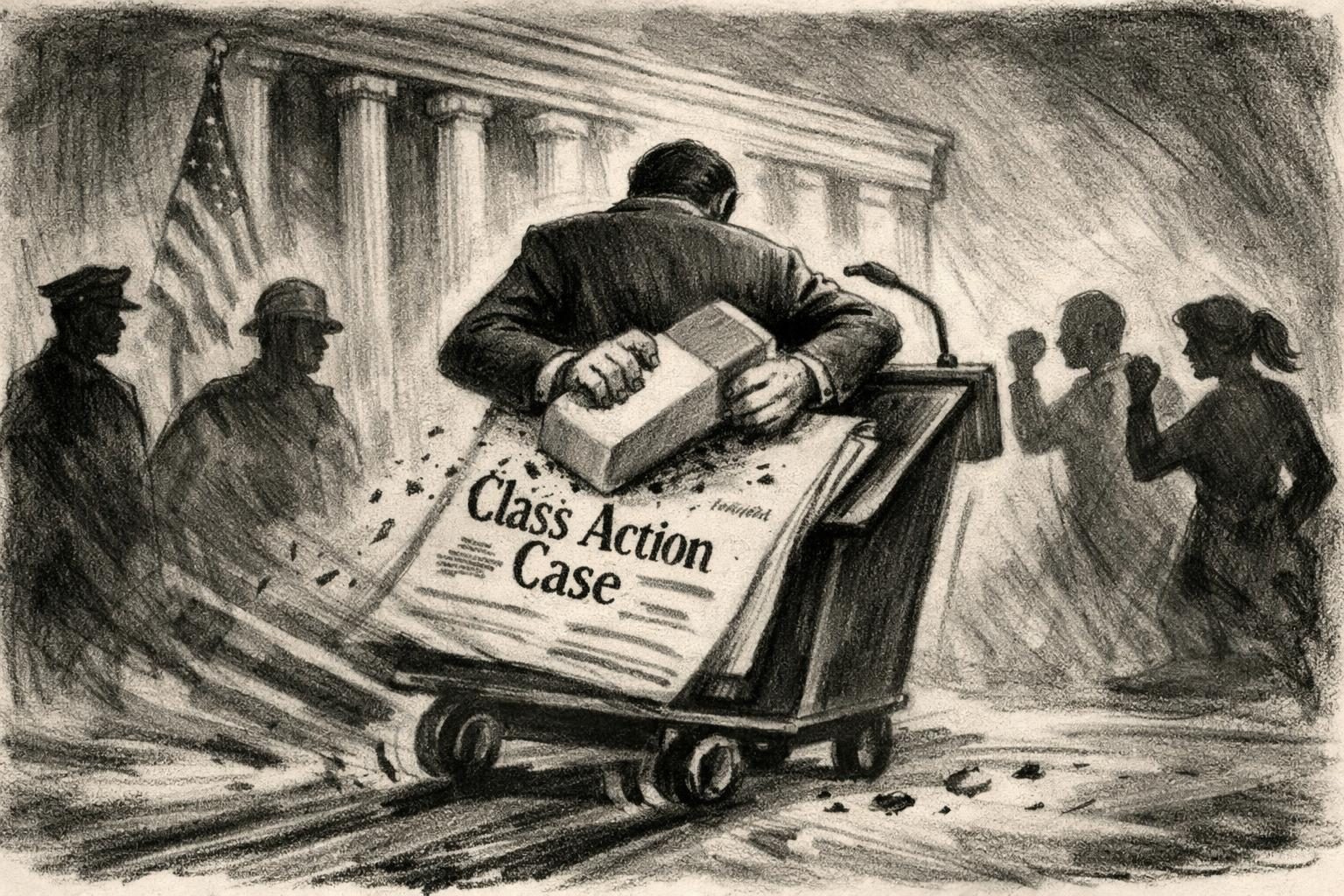
The Equal Employment Opportunity Commission has told a federal court that an administrative judge’s notice freezing a class discrimination proceeding was issued in error, backing away from what had appeared to be a broad procedural halt in a federal-sector case. The change in position came after a labor union and two female prison guards went to court over a stalled sexual-harassment complaint that had been filed as part of a class matter. What first looked like a sweeping stop to similar claims across the federal workplace is now being framed by the agency as a mistake tied to one case, though the explanation is likely to do little to quiet the questions it has already raised. The filing, dated Aug. 14, 2026, arrives after the dispute had already drawn attention because of its potential implications for how the EEOC manages class-based discrimination complaints involving federal workers. For employees trying to navigate the agency’s process, the sudden reversal is less reassuring than it is revealing, because it suggests that even the basic status of a case may not be as settled as litigants had been led to believe.
The underlying lawsuit centers on allegations of sexual harassment brought on behalf of the two prison guards, who are represented along with the labor union that supported the complaint. According to the court filings, the dispute arose after the federal-sector class claims were placed in limbo, prompting the plaintiffs to seek judicial intervention rather than continue waiting for the administrative process to move forward. That kind of delay is not just a technical inconvenience in a discrimination case; it can affect whether evidence is preserved, whether witnesses remain available, and whether the people involved have any realistic sense of when their allegations will be heard. The agency’s new statement that the freeze was an error narrows the immediate issue, but it does not erase the fact that the case stopped moving in the first place. Nor does it fully explain how a notice that appeared to suspend proceedings could have been entered in a matter involving such serious allegations. If the agency intended only a narrow procedural adjustment, the public record did not make that clear at the time, and that ambiguity is part of what has now fueled the dispute.
The episode is likely to resonate beyond the specific parties because the EEOC is expected to function as a neutral arbiter for workplace civil-rights claims, including those brought by federal employees who often have few other avenues for relief. When a case is frozen and later described as having been halted in error, it raises obvious questions about internal controls, communication, and whether litigants can rely on what the agency tells them. That concern is heightened in class matters, where one administrative action can affect a larger group than a single complainant and can shape the pace of related claims across an entire workplace. Even if the error turns out to be confined to one docket, the appearance of procedural confusion can have a broader effect on confidence in the agency’s handling of discrimination complaints. Labor advocates and federal workers who already suspect that administrative channels move slowly, unevenly, or with too much deference to institutional interests are likely to see this as confirmation of their worst assumptions. And because the case involves allegations of sexual harassment in a federal setting, the optics are particularly poor for an agency that is supposed to enforce workplace protections rather than create new barriers to them.
The practical significance of the backpedal may depend on what happens next in court and whether the agency can quickly restore the case to an ordinary track. But the larger takeaway is already clear enough: a single notice, apparently entered in error, was enough to put a live discrimination matter into uncertainty and force the plaintiffs to seek relief from the judiciary. That sequence alone suggests a system vulnerable to confusion at precisely the point where clarity is most important. It also underscores how much discretion and power can sit inside administrative process before anyone outside the agency realizes that something has gone wrong. If the EEOC now says the freeze should not have happened, it will still have to contend with the fact that the parties experienced it as real, and the delay had real consequences even if the mistake was eventually acknowledged. For a civil-rights enforcement body, that is not just a clerical embarrassment; it is a reminder that procedural missteps can become substantive obstacles for the people the system is supposed to protect.
Comments
Threaded replies, voting, and reports are live. New users still go through screening on their first approved comments.
Log in to comment
No comments yet. Be the first reasonably on-topic person here.