
The SEC kept its enforcement drumbeat going, because apparently one fraud per day is the brand
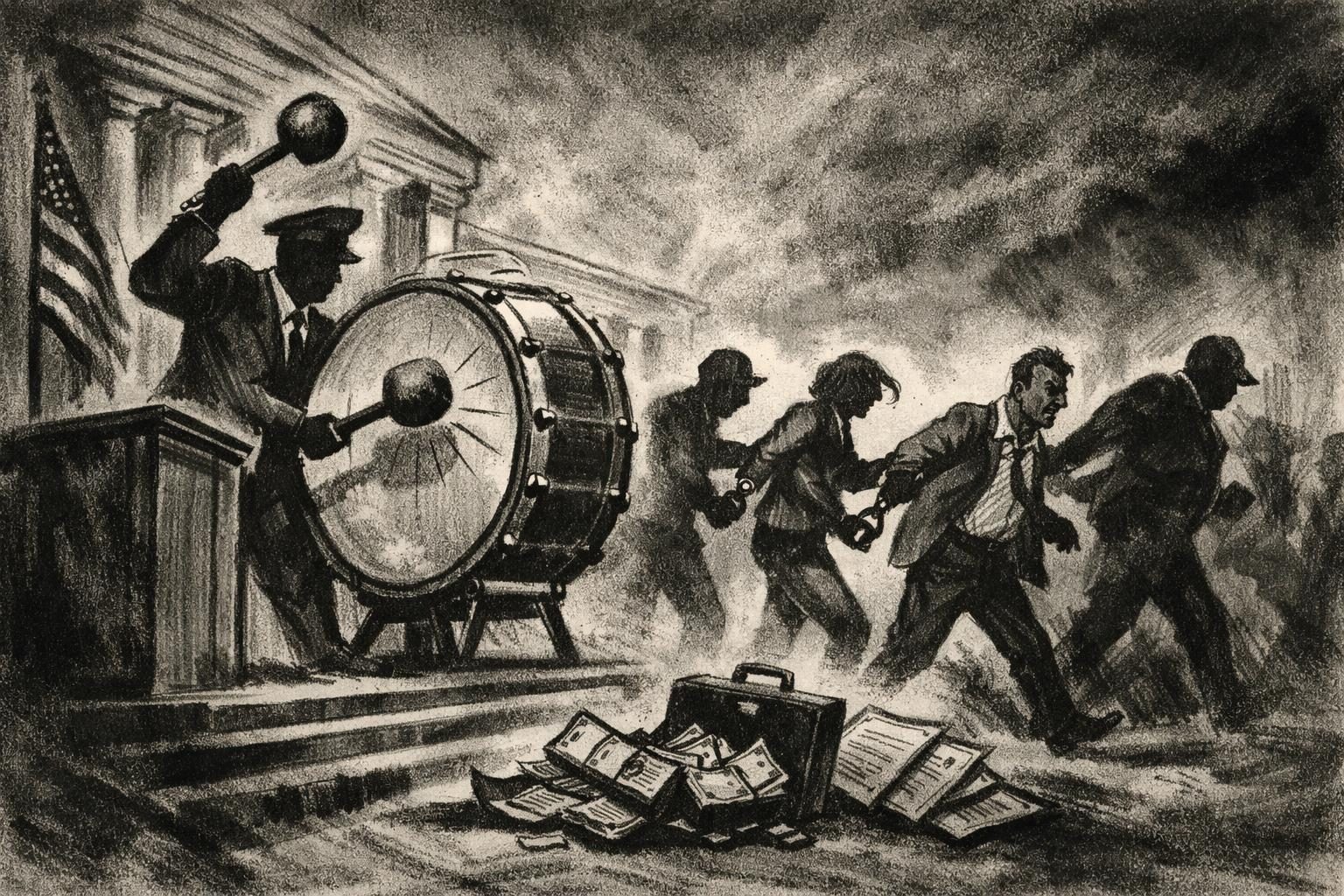
The Securities and Exchange Commission’s late-summer enforcement calendar kept moving on August 14, and that alone is worth noting in a year when a lot of public discussion about regulation gets reduced to slogans, hearings, and the usual theater about whether watchdogs are asleep, overmatched, or suddenly ambitious for all the wrong reasons. The live docket matters because enforcement releases are not symbolic housekeeping. They are the point where allegations, investigations, and institutional suspicion start turning into formal action with immediate consequences for the people and firms caught in the frame. When the agency publishes litigation releases or opens administrative proceedings, it is signaling that a case has cleared a threshold that can change reputations, market conditions, and legal exposure right away. That is especially true in securities matters, where the damage from disclosure failures, fraud, or market abuse often spreads before any final judgment is reached. So even without a single blockbuster headline attached to the date, the fact that the SEC was still actively issuing enforcement actions on August 14 shows the machinery was running and still aimed at policing the market rather than merely commenting on it.
That ongoing enforcement pace may sound bureaucratic, but bureaucratic is often how consequences arrive in finance. The SEC does not need a primetime spectacle to make an impact; a formal release can be enough to alter how investors view a company, how counterparties price risk, and how executives spend the next several months explaining themselves to lawyers instead of shareholders. In practical terms, once the agency acts, the market starts doing its own math. Lawyers get involved, insurers get nervous, analysts start revising their assumptions, and the phrase “we’ll address it in due course” becomes a lot less persuasive than it sounded during the quarterly earnings call. For workers and retirement accounts, the stakes are not abstract. Weak oversight, or delayed oversight, tends to show up later as losses that are spread across people who never got a vote on the conduct in question. That is why routine enforcement activity deserves attention even when it lacks the moral melodrama of a fraud indictment or the political fireworks of a congressional hearing. The SEC’s August actions were not a cinematic twist. They were the kind of institutional move that can keep misconduct from being treated as just another cost of doing business.
The broader regulatory significance is that an active enforcement calendar can shape behavior well before any case is resolved. Firms watching these releases know the agency is still willing to press claims that can carry serious legal and financial consequences, and that knowledge has a disciplining effect even beyond the specific targets named in a given proceeding. In other words, the SEC’s work is not only about punishment after the fact. It is also about deterrence, and deterrence depends on the market believing that violations will be noticed, documented, and pursued. That belief matters in a system where disclosure rules and fiduciary obligations are supposed to keep investors from being blindsided by the kind of conduct that turns balance sheets into cautionary tales. The August 14 docket suggests that, whatever the surrounding political noise, the agency was still trying to keep pressure on fraud, misleading disclosures, and market misconduct. The exact mix of cases may not have carried the drama of a major criminal trial, but the practical effect is similar in one important respect: it reminds the people inside the system that the bill for bad conduct can eventually come due. That is not a radical proposition. It is the basic premise of market oversight, which is easy to praise and harder to maintain.
None of this means the SEC suddenly deserves applause for perfection, or that every move in its enforcement agenda is automatically wise, efficient, or even especially fair. Critics have long argued, sometimes convincingly, that the agency can be too cautious when speed matters and too heavy-handed when precision matters. Both complaints can be true at once, which is a very tidy summary of how financial regulation often works in the United States. But those debates do not erase the importance of a live enforcement calendar, especially at a moment when governance failures continue to produce public costs and private misery. The relevant question is not whether the SEC looks impressive on paper. It is whether it is moving on cases that matter, and doing so in time for the consequences to matter too. On August 14, the answer appeared to be yes: the agency was still active, still pressing forward, and still translating alleged misconduct into formal proceedings that can reshape the risk calculations of firms and executives. That may not be glamorous, and it certainly will not satisfy people who want every scandal to arrive with a single dramatic reveal. But it is what real oversight looks like when it is functioning at all. The SEC’s continuing enforcement work is the backstop between market discipline and a world in which the people taking the risks are the last ones left paying for them.
Comments
Threaded replies, voting, and reports are live. New users still go through screening on their first approved comments.
Log in to comment
No comments yet. Be the first reasonably on-topic person here.