
Capitol assassination-plot defendant heads to sentencing after guilty plea
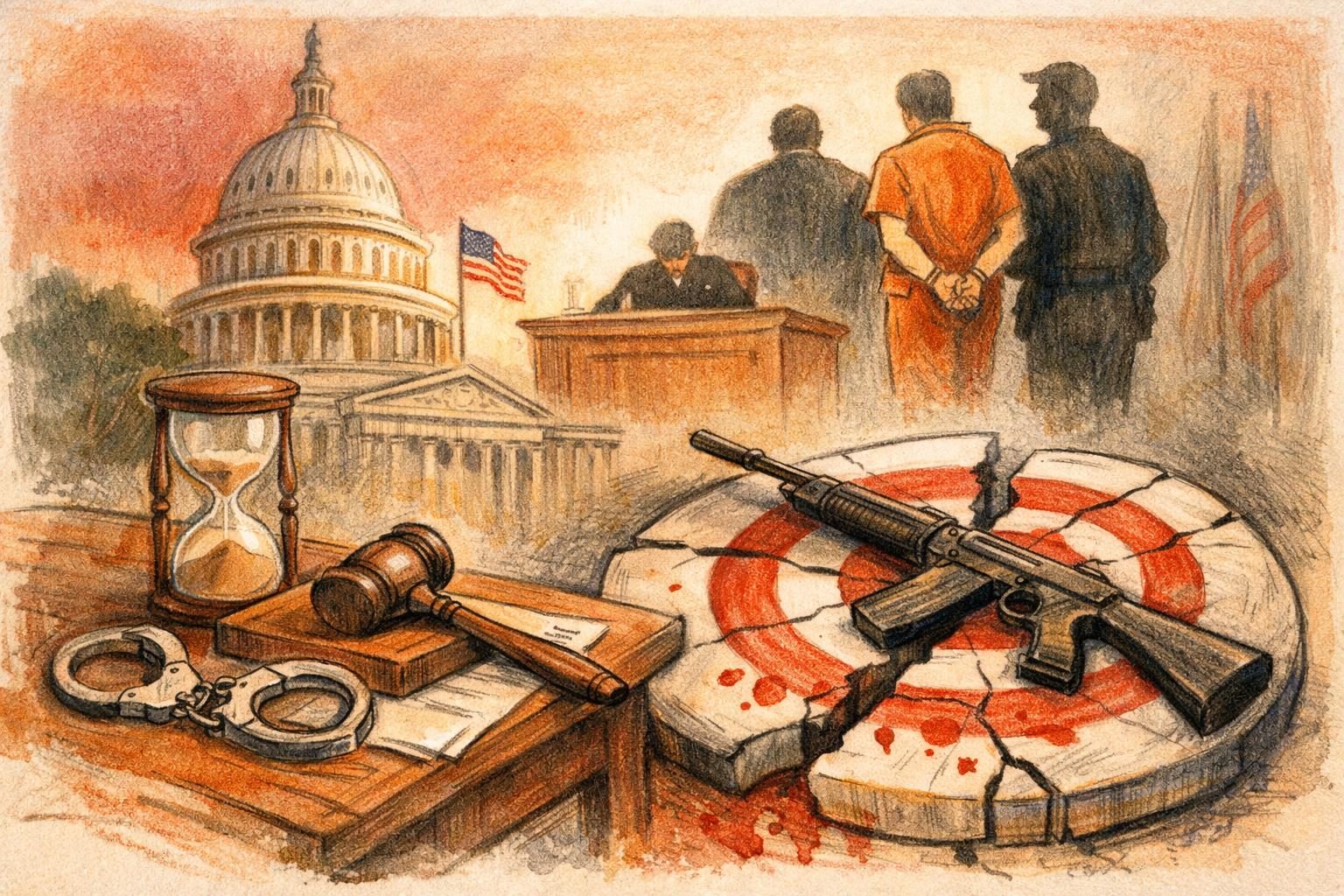
A Massachusetts man is headed to sentencing after pleading guilty in a federal case tied to what prosecutors described as an attempt to assassinate then-cabinet nominee Scott Bessent at the U.S. Capitol. The hearing scheduled for August 14, 2026, marks the next formal step in a case that has already moved from allegation to conviction-adjacent consequence, with the defendant admitting enough to bring the matter to a close in court. The underlying details are grim even by the degraded standards of modern political life: a public official, a federal building, and a plot that allegedly crossed the line from anger into a violent criminal plan. That the case has reached sentencing does not make the threat disappear, but it does underline that the justice system is treating the alleged conduct as a serious attack on democratic order. In an era when political rage is often packaged as performance, this case remains stubbornly concrete.
The significance of the sentencing goes beyond one defendant and one hearing date. Political violence has become so familiar in the background of American politics that even alarming cases can start to feel like one more item on a crowded docket, another headline to scroll past before the next outrage arrives. That numbness is part of the danger. When threats against officials escalate into planning, surveillance, or attempted attacks, the system’s real test is whether it responds before anyone is hurt, not after a tragedy has already made the point. A sentencing date is not a victory lap, and it does not erase the fear such cases can spread through government offices, campaign teams, and security agencies. But it is a reminder that the state still has tools for answering political violence with procedure, evidence, and punishment rather than spectacle. In a country where many public figures now move with visible security details, the ordinary act of sentencing can feel like one of the few remaining statements that violence will not be normalized into the political process.
The broader context is a political environment in which dehumanizing rhetoric, grievance politics, and constant escalation have made the line between furious words and real-world danger far too thin. No single speech or partisan habit can be blamed for every plot, and the legal system should not pretend otherwise. But it is also hard to ignore how quickly some corners of political culture have drifted toward treating opponents as enemies to be destroyed rather than citizens to be beaten at the ballot box. That mindset does not always produce a crime, but it can create the conditions in which crime feels justified to the people already looking for permission. The court record, by contrast, is unglamorous and exacting. It turns slogans into charges, accusations into plea proceedings, and threats into sentencing exposure. That may sound dull, but in cases involving alleged assassination plots, dull is what accountability looks like when the system is functioning as designed.
What happens at sentencing will matter not only for the defendant but also for the message sent to anyone tempted to translate political fury into physical harm. The government’s approach in cases like this is simple in theory and difficult in practice: identify the threat, bring the case, secure the plea or verdict, and impose a punishment that reflects the gravity of the conduct. That sequence is a reminder that democratic institutions are not supposed to absorb violence as if it were background noise. They are supposed to reject it, document it, and respond in public. There is no clean emotional payoff here, only the grim reassurance that a plot tied to a possible assassination attempt has ended up where it belongs, in a courtroom rather than in the realm of fantasy or martyrdom. If anything, the case is an argument for vigilance, because the existence of a sentencing hearing is proof that the danger existed in the first place. Political violence remains a live threat, and every time the justice system has to process one of these cases, it is quietly testifying to how much damage has already been done to the norms that are supposed to keep politics from turning lethal.
Comments
Threaded replies, voting, and reports are live. New users still go through screening on their first approved comments.
Log in to comment
No comments yet. Be the first reasonably on-topic person here.