
Blue-state attorneys general sue over Trump’s grant conditions, calling them political coercion
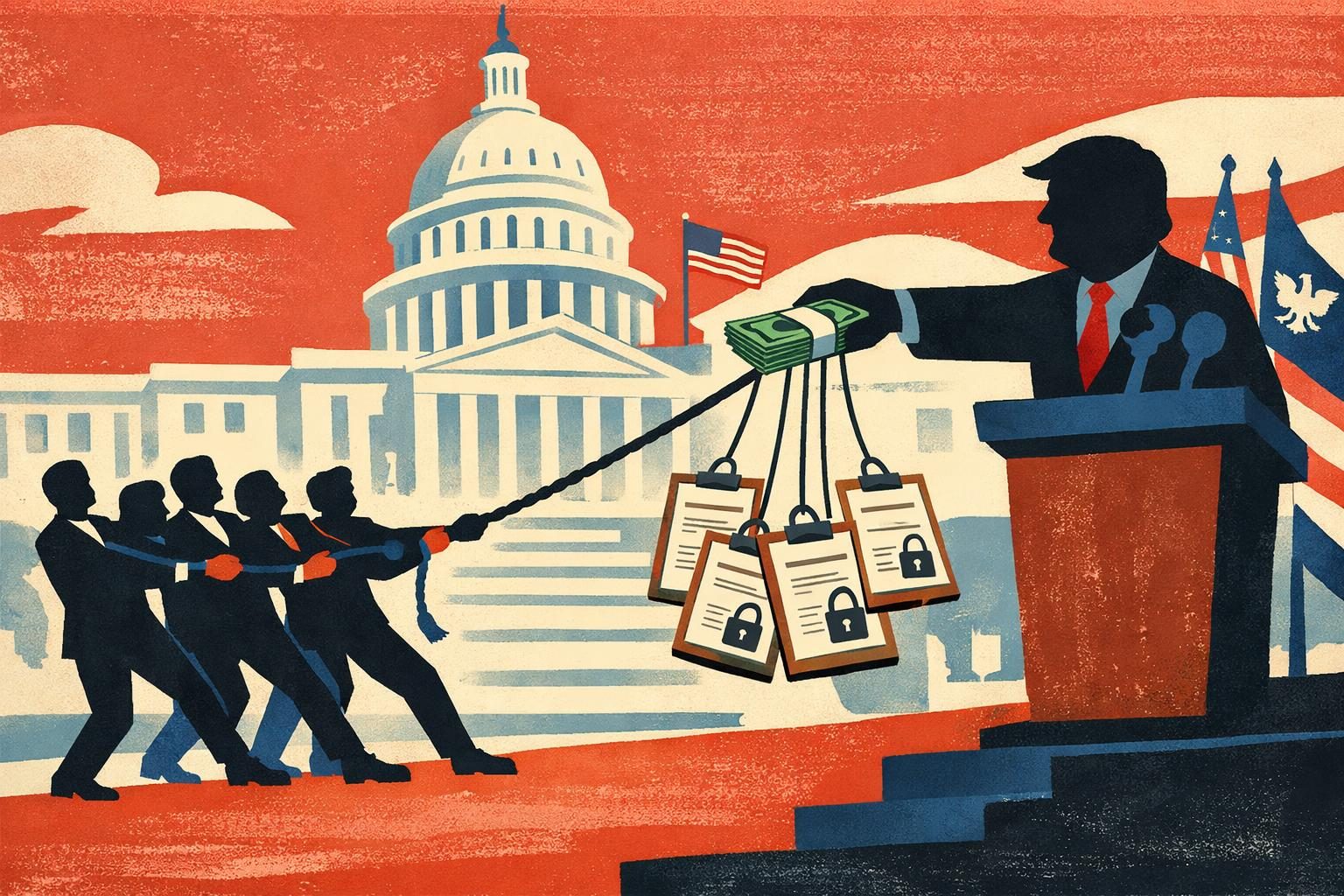
A coalition of Democratic attorneys general has gone to court over a new set of federal grant conditions, accusing the Trump administration of trying to turn counterterrorism and emergency preparedness money into a tool for political pressure. The lawsuit, filed Thursday, says the administration is attaching requirements to grants that go well beyond the purpose of the funding and venture into state election administration and immigration enforcement. In the states’ telling, the federal government is not simply setting program rules or guarding against waste. It is using disaster and security money as leverage to push states toward policies the White House wants, whether or not those policies have anything to do with the grants themselves. The attorneys general argue that this crosses a legal line, and that the conditions are not just unwelcome but unlawful.
The money at stake is not minor, and that is part of why the fight matters. Counterterrorism and emergency grants are designed to help states prepare for threats, respond to disasters, and recover when things go badly wrong. That can mean anything from training first responders to improving communications systems to supporting planning for large-scale emergencies. The lawsuit frames the new conditions as an attempt to make states choose between keeping that funding and resisting federal demands on separate policy issues. According to the states, that is a coercive bargain rather than a legitimate grant condition. They say the administration is effectively telling governors and state agencies that if they want federal help to keep people safe, they must also accept Washington’s preferred position on contentious domestic issues.
The legal complaint also reflects a broader fight that has been simmering around federal-state relations since Trump returned to office. The administration has repeatedly leaned on federal funding as a way to push states in the direction it wants on matters like election rules and immigration enforcement, areas where state and federal authority often overlap or collide. Critics say that approach amounts to political extortion dressed up as administrative policy. Supporters of the White House, by contrast, are likely to argue that the federal government has the right to attach conditions to the money it sends out and to make sure that grant recipients are aligned with national priorities. The problem, the states contend, is not that the federal government can never set conditions. It is that these conditions allegedly have little to do with the grants’ purpose and go so far that they become a form of compulsion instead of a lawful use of federal spending power. That distinction is likely to sit at the center of the case as it moves through court.
The immediate effect is uncertainty for state officials who depend on the funding and now have to plan around a lawsuit that could either narrow or preserve the administration’s leverage. If the states prevail, the ruling could curb the White House’s ability to use emergency and security money as a policy cudgel and send a warning to future administrations about how far grant conditions can go. If the administration wins, it may create a stronger precedent for linking federal aid to unrelated policy demands, especially in areas where states have been resistant to federal pressure. Either outcome would ripple beyond this case, because the dispute is really about who gets to set the terms when federal dollars are involved and whether states can be forced to buy access to essential public safety money by accepting political conditions attached to it. For now, the lawsuit is one more sign that the administration’s grant strategy is heading into heavy legal headwinds, and that the coming battle will be as much about constitutional leverage as it is about the budget. States argue they should not have to trade away policy autonomy to get money meant for disasters and threats. The administration, meanwhile, is likely to defend the conditions as part of a broader effort to enforce its agenda through the machinery of federal spending. That sets up a familiar but still consequential clash: whether Washington can use the purse strings to shape state behavior, or whether the courts will treat this as one step too far.
Comments
Threaded replies, voting, and reports are live. New users still go through screening on their first approved comments.
Log in to comment
No comments yet. Be the first reasonably on-topic person here.