
Appeals court backs subpoena in gender-care fight
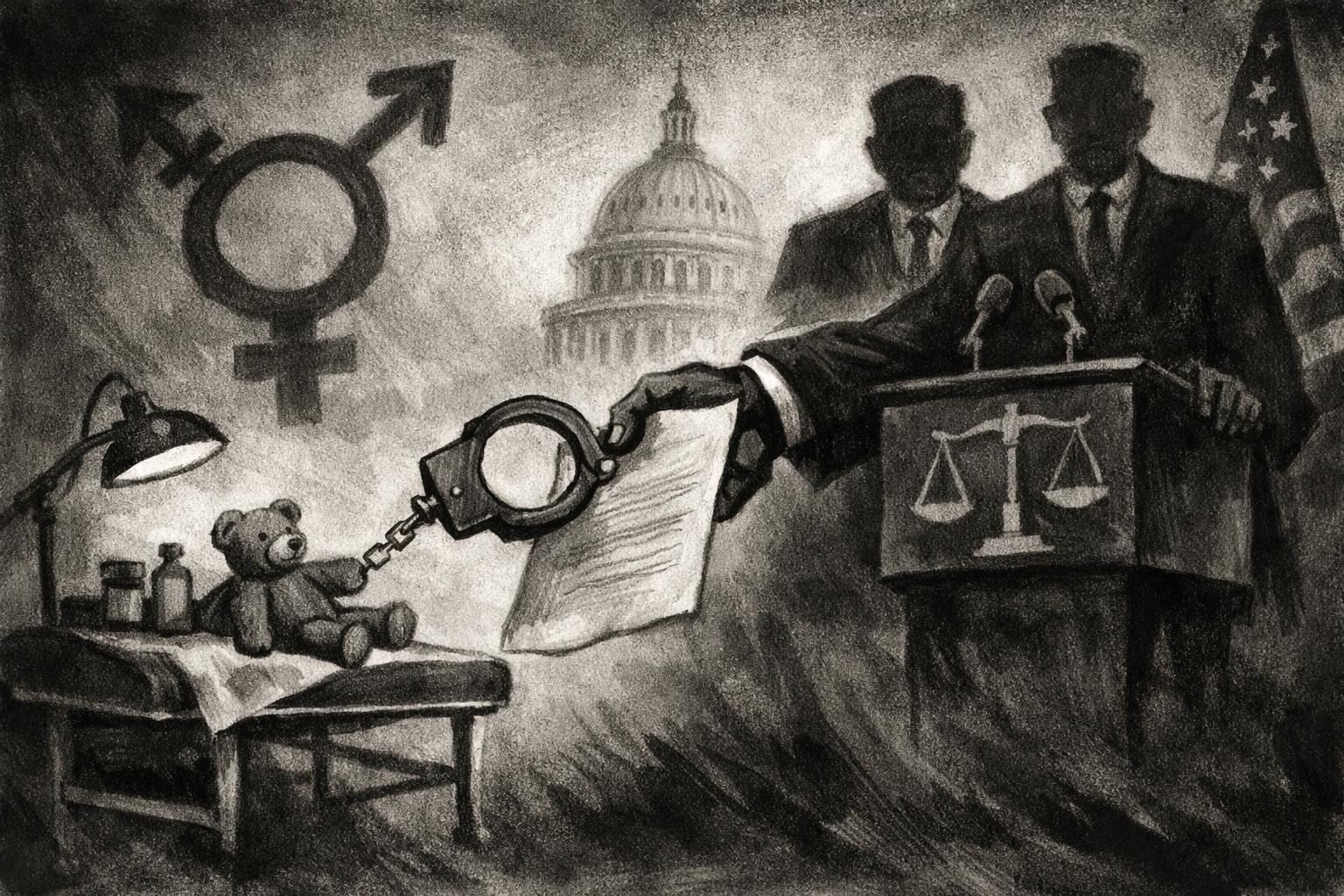
A divided federal appeals court on Friday gave the Trump administration a fresh opening in its campaign against gender-affirming care for minors, allowing it to keep pursuing a subpoena aimed at a provider of that treatment. The decision does not settle the broader legal and political fight over how such care should be regulated, but it does remove one obstacle to federal scrutiny of a field already under extraordinary pressure. In practical terms, the Justice Department can keep pressing its demand for records and information while the dispute continues to work its way through the courts. For the provider on the receiving end, that means more legal expense, more uncertainty, and more of the kind of scrutiny that can chill medical decision-making even before any case is resolved. For the administration, it is another sign that a federal court is not yet willing to treat its stated policy goals as illegitimate just because they are politically charged.
The panel’s reasoning matters as much as the outcome. In refusing to block the subpoena on the theory that the administration’s opposition to gender-affirming care is itself improper, the judges effectively drew a line between motive and authority. That distinction may sound technical, but it is doing a great deal of work here. If the government can point to some facially lawful investigative purpose, the court suggested, the fact that officials also want to end or sharply limit a controversial medical practice does not automatically make the subpoena invalid. That is a meaningful advantage for the Justice Department, because it gives enforcement lawyers room to argue that aggressive investigatory steps are legitimate even in the middle of a broader ideological dispute. Critics of the administration are likely to see the ruling as an invitation to blur the line between ordinary law enforcement and political targeting. Supporters, by contrast, will say the court simply declined to infer bad faith from a policy disagreement alone. Either way, the practical effect is to make it harder to stop federal demands for information at the front end.
The case lands in the middle of a larger effort by the administration to treat opposition to gender-affirming care as part of its governing identity rather than a side issue. That approach has already influenced public rhetoric, agency priorities, and the way federal officials talk about medical treatment for transgender minors. The court’s reference to an “unsettled scientific debate” around the issue is especially revealing, because it allows the panel to sound restrained while still leaving plenty of space for the government to act. Unsettled science is often where policy disputes get fought, but in this case the phrase also functions as a kind of legal shield. It helps explain why judges might be reluctant to second-guess federal investigative choices before the underlying legal questions are fully aired. Still, the effect on the ground is less abstract. Providers of gender-affirming care now have to wonder whether routine records, clinical judgments, and patient communications could become material in a federal probe. That concern is not theoretical when the administration has repeatedly signaled that this area of medicine is in its sights.
The ruling also has consequences beyond this single subpoena. It adds another appellate-level win for an administration that has shown a willingness to use the machinery of government in disputes that are politically and culturally loaded. That does not mean every enforcement action is illegitimate, and the court did not say it did. But it does mean critics have reason to argue that the federal government is increasingly comfortable using investigative power in ways that line up neatly with ideological goals. Once that happens, the boundary between neutral enforcement and policy warfare gets thinner, and every new subpoena or investigation becomes harder to view in isolation. The immediate fallout is a sharpened sense of vulnerability for clinics and providers already operating under state restrictions, public hostility, and uncertainty about future federal action. The broader message is blunt, even if the legal language is not: the administration is not backing off, and the courts are not yet prepared to stop it simply because its campaign against gender-affirming care is overt, persistent, and highly political.
Comments
Threaded replies, voting, and reports are live. New users still go through screening on their first approved comments.
Log in to comment
No comments yet. Be the first reasonably on-topic person here.