
August visa bulletin nudges immigration queues again
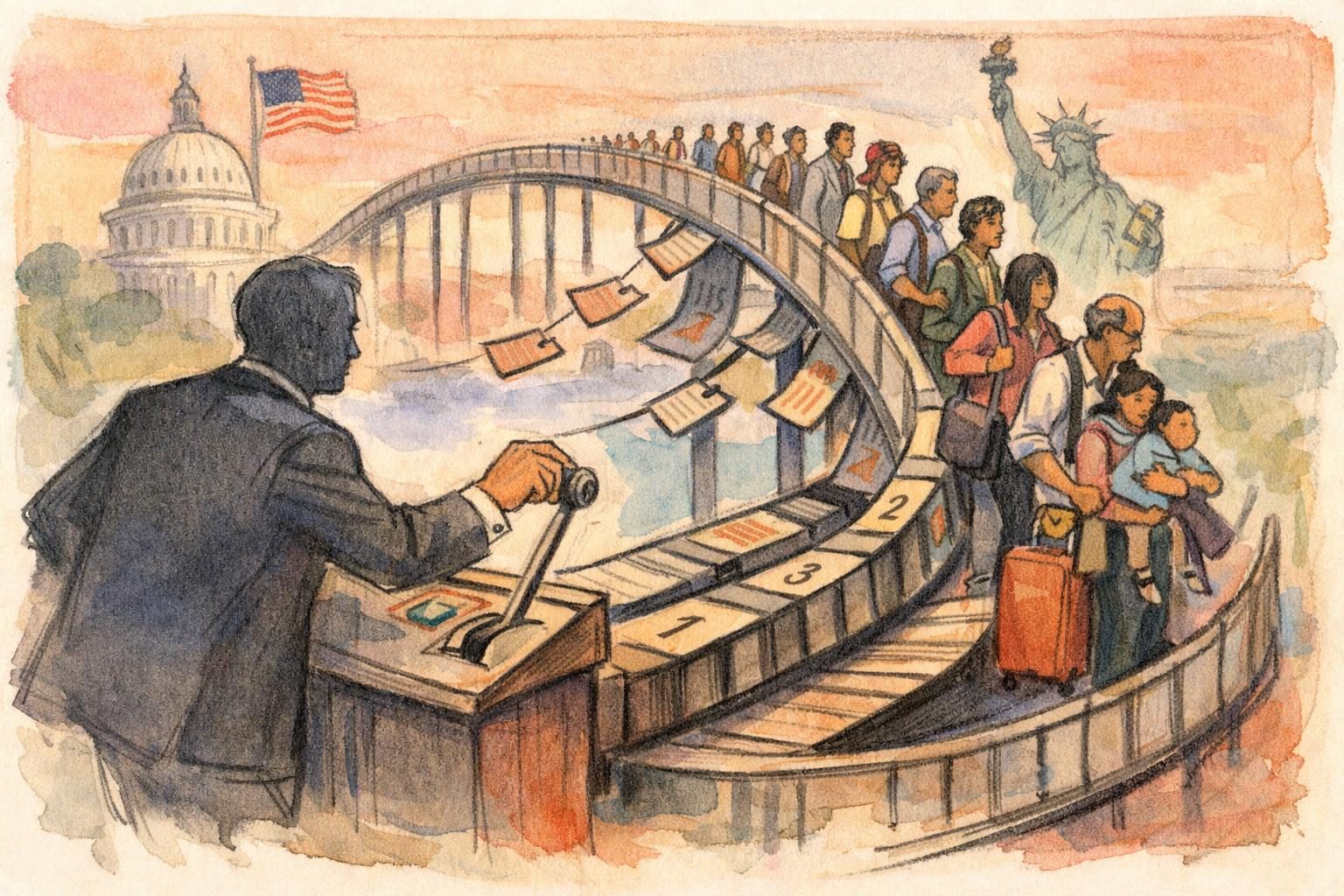
The State Department’s August 2026 visa bulletin quietly reset a series of dates that govern who can move forward in the immigrant-visa process and who must keep waiting. That may sound like the kind of document only lawyers and applicants stare at, but it has real consequences for families and employers trying to navigate a system built around scarcity. Each monthly bulletin sets the pace for when people can file applications or receive final approval in categories that are already crowded with backlogs. The August update continued that pattern, nudging several dates ahead or leaving them in place in ways that can determine whether a case advances this month, next month, or much later. In immigration policy, this is not a side issue; it is the machinery that turns legal eligibility into practical access.
The bulletin covers the familiar split between filing dates and final-action dates, which together shape the tempo of the entire system. Filing dates tell applicants when they can submit paperwork, while final-action dates help determine when visas can actually be issued. When those dates move, even slightly, the effect ripples through the system because applicants, attorneys, employers, and consular officers all have to adjust. A modest forward movement can open the door for some cases that had been stuck in line, while a stagnant or slower-moving date can leave others waiting longer despite being otherwise ready. That is why these bulletins matter so much even when they do not draw much public attention. They are not dramatic in form, but they are decisive in effect.
What the August bulletin underscores most clearly is that the immigration system remains locked in a state of managed delay. The government is not simply deciding whether people can come to the United States; it is also deciding when, in what order, and under what numerical constraints they can do so. That creates a kind of rolling triage, with one category advancing while another stalls and a third barely shifts at all. For people waiting on family-based or employment-based cases, that can translate into months or years of uncertainty built into the rules themselves. The result is a process that can feel less like a path and more like a queue with a movable wall. Even small adjustments to the chart can carry major consequences because the chart is the policy.
The broader political point is that immigration policy is often discussed as a matter of enforcement, border control, or courtroom conflict, but much of it is administered through mundane bureaucratic tools like the visa bulletin. That is part of why the bulletin matters: it reveals how the government manages scarcity without saying so in so many words. The administration’s approach, at least in this monthly update, is less about sweeping reform than about administering an already overloaded system one category at a time. For advocates, that means every date movement has to be read carefully for signs of relief or tightening. For applicants, it means their lives can be shaped by a federal chart that most people never see. In practical terms, this is governance through lists, cutoffs, and line management, which is less visible than a court ruling but no less consequential.
The August 2026 bulletin therefore fits into a long-running pattern rather than a one-off event. It keeps the queues in motion, even if only a few steps at a time, and it reminds everyone involved that immigration timelines are not just a matter of processing speed but of official gatekeeping. That can make the system feel arbitrary to people living inside it, especially when a relatively small change in dates determines whether they can act now or wait again. Still, those changes are real, and for some applicants they may be the difference between being stuck and being able to proceed. The bulletin does not offer resolution, and it does not pretend to. It simply redraws the lines for another month and leaves the long backlog intact behind them. In a policy landscape often dominated by louder fights, that kind of administrative adjustment may not look like much, but it is one of the ways immigration policy actually happens.
Comments
Threaded replies, voting, and reports are live. New users still go through screening on their first approved comments.
Log in to comment
No comments yet. Be the first reasonably on-topic person here.