
CPSC pushed a neck-float testing deadline back again, buying manufacturers two more months
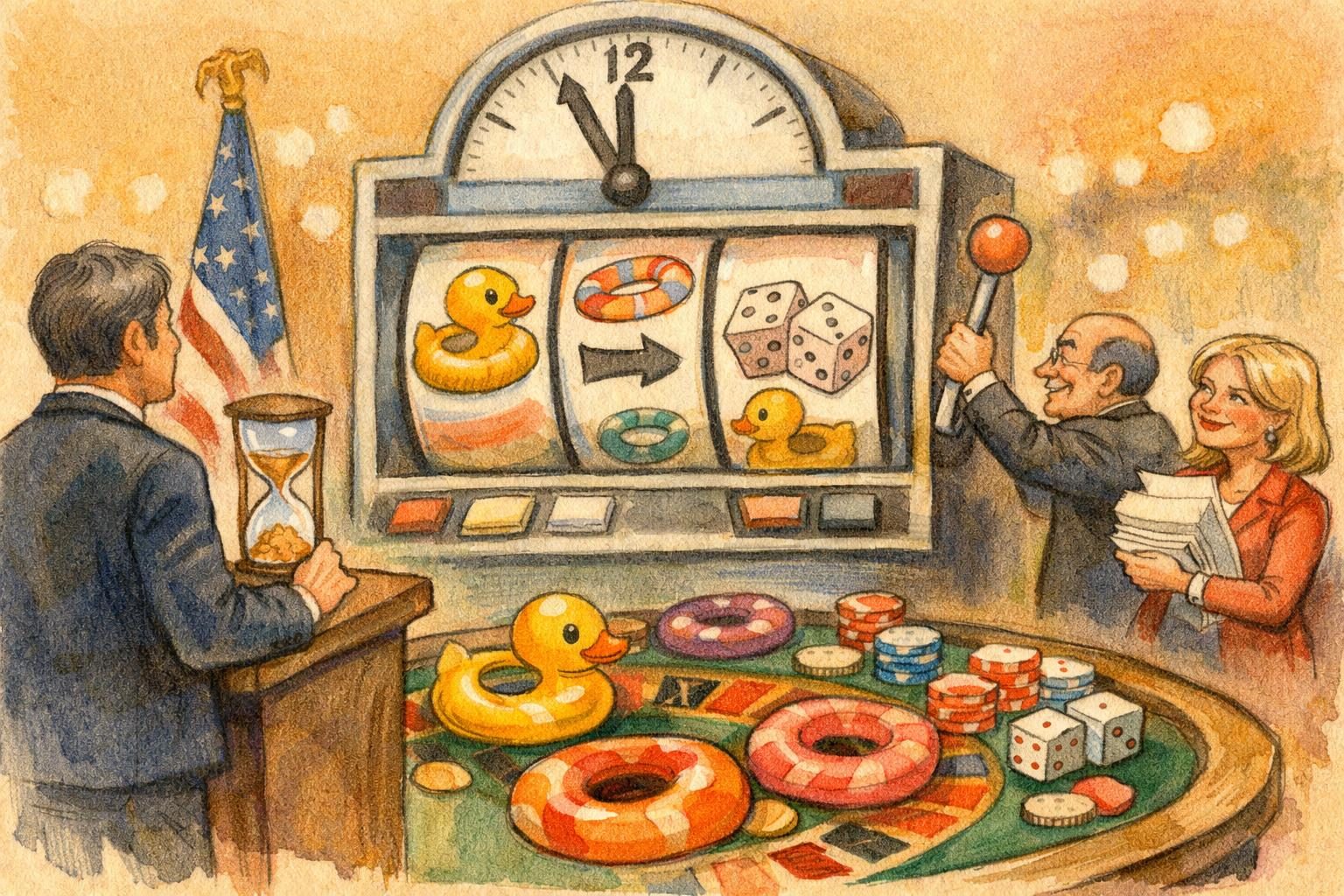
The Consumer Product Safety Commission has nudged back the compliance date for third-party testing and certification requirements covering neck floats, giving manufacturers a 60-day reprieve from a deadline that was supposed to land on June 15. Under the new notice, the revised date is August 16, 2026, and the change applies only to the testing-and-certification piece of the rule. The underlying product requirements themselves are not being erased, softened, or suspended. In other words, the commission is not changing what neck floats are supposed to meet; it is changing when companies must prove, through accredited third-party testing, that their products meet it. That distinction sounds bureaucratic, but it is the entire point of the exercise. Consumer safety rules do not mean much if companies can keep selling first and sorting out compliance later at their own pace.
The extension is narrow, but narrow does not mean harmless. For products already on shelves, a deadline shift can alter the practical timeline for when enforcement pressure starts to bite. Manufacturers get more time to line up labs, clear certifications, and finish whatever paperwork and testing remains outstanding. Consumers, meanwhile, are left to live with the same products in the market for a little longer before the full force of the compliance regime kicks in. That does not automatically mean the products are unsafe, and the notice does not claim that every neck float currently sold is defective. But when regulators move a certification date, they are also moving the point at which a product must stop merely being described as compliant and actually demonstrate compliance in the formal way the rule requires. In a field where safety devices are meant to reduce the risk of harm, timing matters as much as wording.
There is a familiar logic behind extensions like this one. Agencies often describe them as necessary to give industry enough time to adapt, especially when a rule depends on third-party labs, certification pipelines, or other steps that cannot be completed overnight. That explanation may be true here, at least in part, and the published notice is framed as a temporary adjustment rather than a retreat from the standard itself. But the less polished truth is that safety regulation often becomes a contest between the speed of the rulemaking process and the slower machinery of manufacturing compliance. When a deadline is pushed, even by only two months, it can reduce immediate pressure on companies that have not finished the testing process yet. It can also create an incentive for some firms to wait out the clock, especially if they believe they can keep moving inventory before the stricter requirements fully bind. That is the paperwork casino at the heart of modern product oversight: the standard remains on the books, while the timing of enforcement determines how real it feels on the market.
The commission’s notice makes clear that this is not a permanent escape hatch. Products manufactured after the new date must be tested by an accredited third-party laboratory and certified accordingly. That means the agency is still insisting on the compliance framework, and it is still drawing a hard line for future production. The extension also does not rewrite the rest of the product rule, which remains intact. What changed is the compliance clock for this one part of the regime, and that change carries consequences precisely because it is limited. A short delay can still matter a great deal when inventory, production schedules, and distribution plans are all already in motion. The public version of the argument for an extension is usually that extra time helps companies get their houses in order. The more skeptical reading is that it allows industry to keep operating in a gray zone just a little longer before the rule’s teeth fully clamp down. Either way, the effect is the same: the commission has given manufacturers another chance to finish their testing, certification, and administrative prep before the deadline turns from suggestion into obligation.
This is the kind of regulatory move that rarely grabs headlines on its own, but it says a lot about how consumer safety works in practice. A rule is only as effective as the deadline attached to it, and a deadline is only as meaningful as the agency’s willingness to hold it. The commission has not backed away from the underlying standard, but it has accepted that the path to compliance is not always neat, especially when third-party testing is involved. For manufacturers, the extension is a small victory because it buys time. For regulators, it is a practical concession that keeps the rule moving forward without immediately forcing every lagging company into the penalty box. For consumers, it is a reminder that safety often arrives through a slow crawl of technical notices, delayed certifications, and revised enforcement dates rather than through dramatic announcements or clean moral victories. The details are dry, but the stakes are not. A two-month delay can be just that, or it can be the difference between a product being formally cleared before sale and lingering in circulation a little longer while the compliance system catches up.
Comments
Threaded replies, voting, and reports are live. New users still go through screening on their first approved comments.
Log in to comment
No comments yet. Be the first reasonably on-topic person here.