
Judge tosses DOJ bid for Connecticut voter rolls
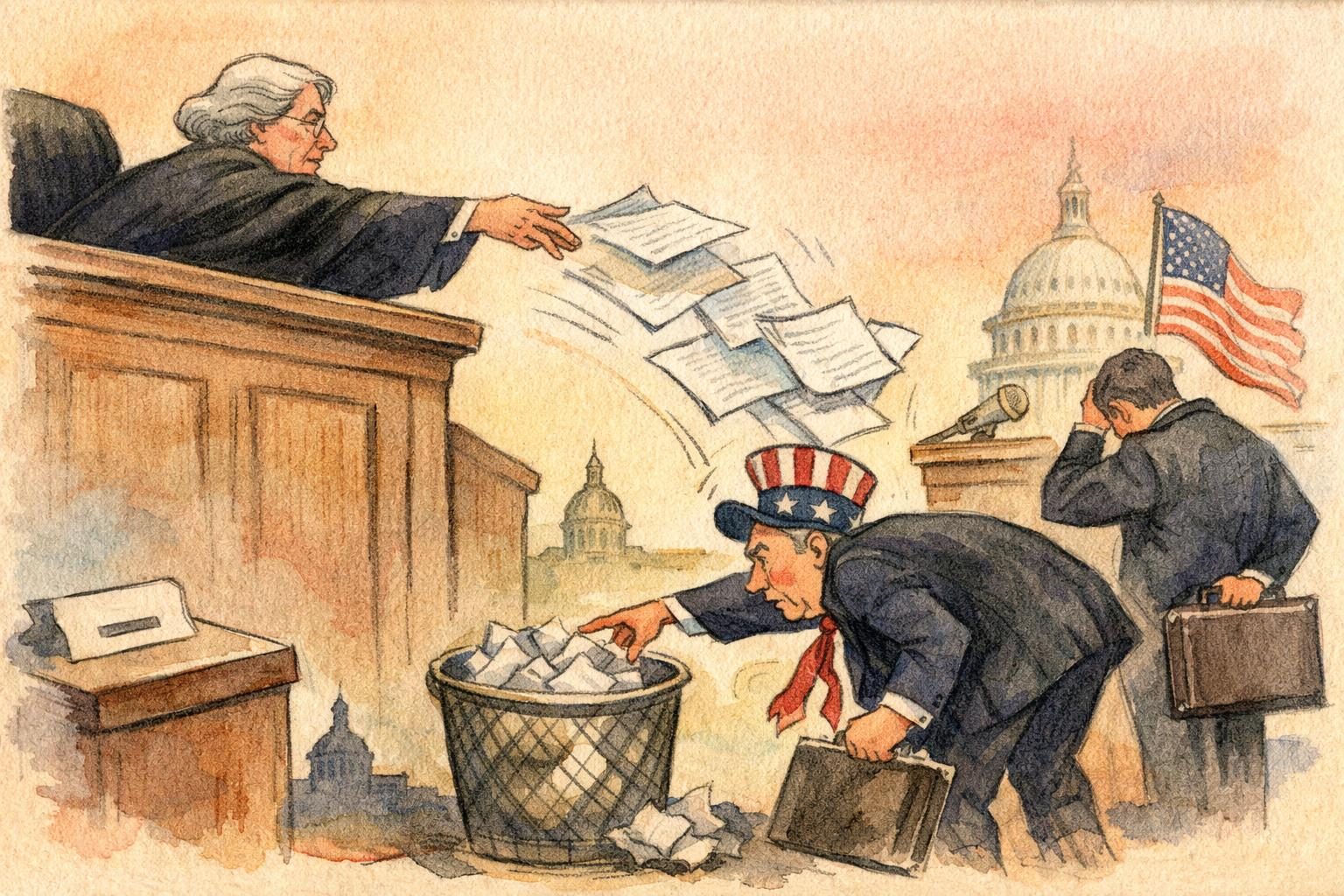
A federal judge on August 15 threw out the Justice Department’s lawsuit seeking Connecticut’s voter registration list, handing the administration another setback in its effort to pry election administration closer to Washington. The case was one of several recent federal pushes aimed at obtaining sensitive registration data under the banner of election integrity, a message officials have tried to frame as simple good-government oversight. Connecticut pushed back by arguing that the statute DOJ cited did not actually give the department the authority it claimed, and the court accepted that argument. The ruling is not just a technical loss on a procedural issue; it is a direct rebuke to a federal theory that would have expanded Washington’s reach into a core state function. For election-law watchers, the dismissal reinforces a familiar boundary: states run their voter rolls, and federal agencies do not get to treat that fact as optional.
The dispute sits at the center of a larger fight over who gets to control the machinery of elections. Voter registration lists are among the most sensitive records in election administration because they sit at the intersection of public confidence, privacy, and the legal obligation to keep rolls accurate. The administration has tried to cast requests for this data as part of a tougher anti-fraud campaign, but critics have long argued that the real aim is to build leverage over the states and lay groundwork for broader federal supervision. Connecticut’s victory gives those critics a concrete example to point to: the government asked for the data, the state said the law did not allow it, and the judge agreed. That sequence matters because legal defeats can be more politically damaging than policy disagreements, especially when the losing side has already invested heavily in the narrative that it is simply enforcing the rules. Each unsuccessful case makes it harder to present the broader campaign as measured or routine.
The court’s decision also lands in a landscape where election administration has become an increasingly common target for federal pressure. States already carry the legal obligation to maintain accurate registration rolls, remove ineligible voters when required, and manage access to those lists under their own rules. That means federal demands for broad voter-roll data are always going to run into the question of whether Washington is seeking oversight or overreach. In Connecticut, the answer from the court was that DOJ had gone beyond what the law permits. That is important not only because it settles this particular dispute, but because it gives other states a clearer template for resisting similar requests. If the department’s theory cannot survive even in a straightforward challenge to access a state voter file, then the same approach may face trouble elsewhere. The more these cases fail, the more they resemble a national campaign looking for a legal hook after the fact rather than a well-grounded enforcement effort.
The political fallout is likely to extend beyond Connecticut. States that were watching the case now have a stronger reason to treat federal requests for registration data with caution, and election officials elsewhere may cite this ruling when asked to hand over sensitive records. For the administration, that creates a problem of momentum as much as law. One courtroom loss can be described as an isolated dispute; repeated losses start to look like a pattern, and patterns are hard to spin away when the stated goal is election integrity. The fight also feeds a broader distrust among voting-rights advocates, who see these cases as part of a push to centralize control without a clear showing of need. Even if federal officials continue to insist they are pursuing legitimate oversight, the optics of losing in court while demanding more state data are not helpful. In practical terms, the dismissal preserves state control over the rolls for now. In political terms, it gives opponents a clean and easy-to-understand example of an administration reaching too far and getting checked by a judge.
Comments
Threaded replies, voting, and reports are live. New users still go through screening on their first approved comments.
Log in to comment
No comments yet. Be the first reasonably on-topic person here.