
DOJ’s election-security push keeps running into state resistance
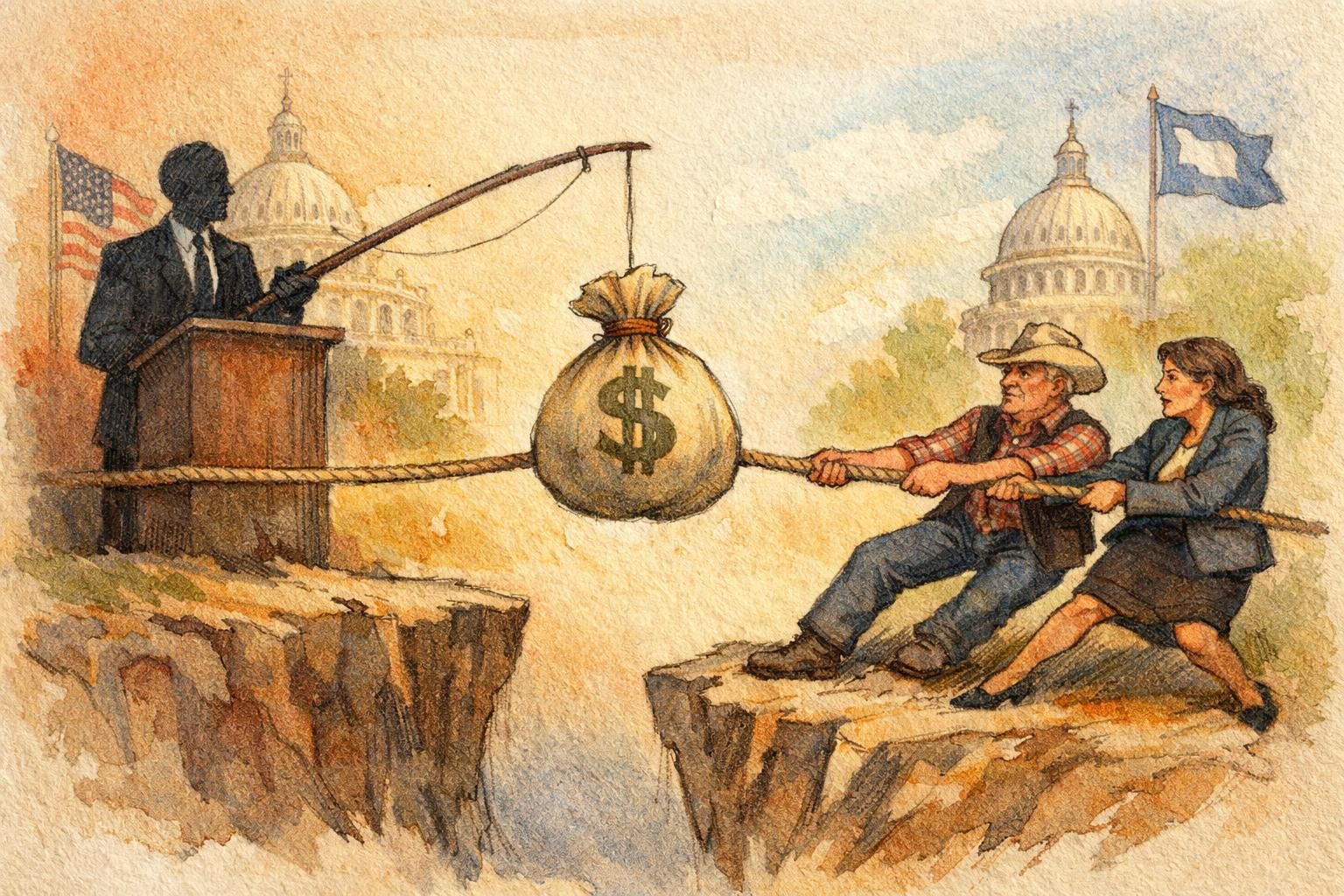
The Justice Department’s election-integrity materials have taken on a new and more pointed role in the Trump administration’s broader effort to tie federal dollars to compliance. A July 10, 2026 announcement now surfaced on the department’s election-integrity page says the Department of Homeland Security is requiring states to adopt election-security measures before they can receive federal funds. On paper, that may look like just another federal notice buried in a government webpage. In practice, it signals a much sharper use of funding leverage against state election systems. The move matters because it puts Washington in the business of setting conditions for how states run one of the most politically sensitive functions in government, even though elections remain fundamentally a state-administered responsibility. That is the kind of arrangement that can be described as security policy by its supporters and as coercion by its critics, and both reactions are already visible in the way the issue is being framed.
What makes the policy especially combustible is not simply that it links money to performance, but that it enters an area where the lines of authority are already heavily contested. States do not operate elections on a blank federal canvas, and the federal government cannot casually redesign those systems by attaching new strings to grants and calling it coordination. When Washington uses funding as leverage, states tend to inspect the terms closely, and courts do too. That is because the legal question is not whether the administration wants stronger safeguards, but whether it has the authority to condition money in the way it is now signaling. If the requirements are too intrusive, too vague, or too far removed from the purpose of the funds, opponents will argue that the federal government is effectively trying to command compliance through the budget process. The administration may hope to present the policy as routine administration, but the underlying structure makes it look much more like a test of federal power. The more the White House treats grants as a tool for discipline, the more likely it is to run into the constitutional boundary between encouragement and compulsion.
Politically, the gamble is just as risky as the legal one. Supporters can argue that election security is a basic good and that states should not object to clearer standards if the federal government is footing part of the bill. Critics will say the administration is dressing up a pressure campaign in the language of protection, using money as a blunt instrument to force states into line. That distinction is not just rhetorical; it is where the fight over legitimacy begins. The administration’s decision to put the policy on the Justice Department’s election-integrity page suggests it wants the requirement to look official, orderly, and uncontroversial. But the fact that the issue is already being seen as a live flashpoint tells a different story. In an election environment that is already highly polarized, a federal funding condition is never just a technical rule. It becomes a signal about who gets to control the machinery of elections and who is expected to obey from afar. That is why the policy can be marketed as a safeguard in one sentence and attacked as federal overreach in the next. Both readings are politically useful to different audiences, and both are likely to shape the fight ahead.
The immediate effect may not be dramatic, but it is still substantial. State officials are now on notice that federal money may come with new federal expectations, and that notice alone can alter how states plan, budget, and defend their own authority. Even if the policy does not trigger immediate litigation everywhere, it invites scrutiny from attorneys general, election administrators, and lawmakers who do not want Washington writing the terms of local election management. The administration may be betting that states will comply rather than risk losing funds, but that assumption can backfire when states decide the conditions are worth fighting. At that point the matter moves from bureaucratic guidance to legal conflict, which is exactly where funding leverage becomes most visible and most vulnerable. For now, the policy sits in that uncomfortable space between announcement and enforcement, where it can be defended as prudent and condemned as pressure. What it is unlikely to produce is quiet acceptance. In a system already strained by distrust and partisan suspicion, another round of federal conditions on state election operations looks less like stabilization than another shove on an already overloaded seam.
Comments
Threaded replies, voting, and reports are live. New users still go through screening on their first approved comments.
Log in to comment
No comments yet. Be the first reasonably on-topic person here.