
Justice Department drops polling-site monitoring in four Michigan cities
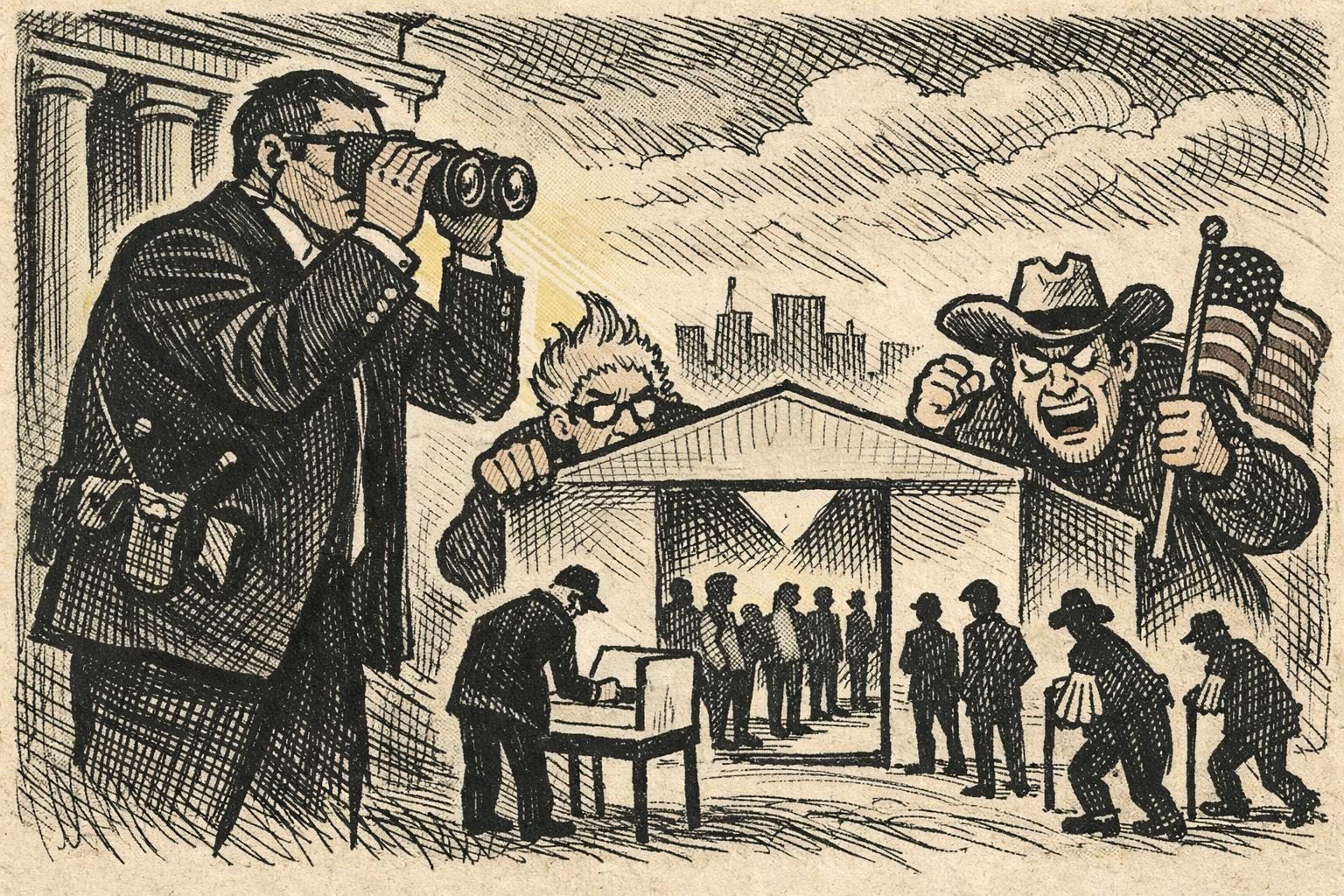
The Justice Department said on August 15 that it will monitor polling sites in four Michigan cities, turning what might otherwise have been a routine election-administration notice into an immediate flashpoint in one of the country’s most closely watched political battlegrounds. Federal monitoring at the local polling-place level is not a symbolic flourish; it is a live government presence in the mechanics of Election Day, with real implications for clerks, election workers, voters, and the lawyers who will inevitably start parsing the department’s authority and intent. Supporters of such deployments usually describe them as a basic voting-rights safeguard, a way to ensure that rules are followed and access is protected. Critics tend to hear something else entirely, namely the sound of federal power hovering over a state-run process in a way that can feel more like pressure than protection. In a year when every move touching elections is scrutinized for partisan motive, the announcement lands with built-in controversy.
That reaction is especially predictable in Michigan, where election administration has already become part of the larger argument over who gets to define the legitimacy of the vote. Any federal presence around polling places in a state that regularly matters in presidential and down-ballot fights becomes part of the broader trust struggle, even before the first observer shows up. Officials who favor the monitoring will likely say it is a normal enforcement tool, tightly limited and aimed at making sure voters can cast ballots without interference. Local critics, however, may see the move as selective or unnecessary, particularly if they believe the chosen cities do not justify the level of federal attention. Civil-rights groups could end up split in familiar ways depending on how the department explains the action, whether the monitoring is narrowly tailored, and whether it is presented as a routine response to identified concerns or as something more expansive. That uncertainty is part of what makes the announcement so combustible: election monitoring is one of those terms that can mean legitimate oversight to one audience and partisan theater to another.
What is clear is that this is not just a policy talking point or a recycled debate from previous election cycles. It is an official, current intervention with immediate operational consequences in the affected cities, which means election workers and local administrators now have to factor federal observers into the day’s logistics and the public’s perception of the vote. Even if the department says the monitoring is ordinary, the presence itself changes the atmosphere around polling places, because voters who encounter federal officials at the door may not parse the legal nuance first; they react to the scene in front of them. That is why these actions often trigger fast-moving messaging wars, with one side emphasizing access and compliance and the other warning about intimidation, overreach, or chilling effects. The legal and political questions are also different but intertwined: one asks whether the monitoring is authorized and properly limited, while the other asks whether it is wise, fair, and likely to be seen as legitimate. In practice, those questions usually travel together, and the first public explanation from federal officials can shape the entire story.
The next phase of this story is likely to unfold through local response, legal scrutiny, and a familiar round of accusations about federal intrusion into election administration. Election officials in the four cities may want to reassure voters that polling places remain open, orderly, and governed by standard procedures, while advocacy groups and party strategists watch for any sign that the monitoring is either too broad or too opaque. If the Justice Department releases more detail about why these cities were selected, the explanation will matter enormously, because specificity can make the move look like a targeted and defensible enforcement step, while vagueness can make it look like a political signal in search of a legal rationale. For now, the facts are straightforward: the department has announced monitoring at polling sites in four Michigan cities, and that alone is enough to set off the usual fight over voter access, federal pressure, and partisan intent. In a climate where trust in elections is already fragile, even a seemingly limited enforcement action can become a test of whether the public sees government oversight as a safeguard or a threat.
Comments
Threaded replies, voting, and reports are live. New users still go through screening on their first approved comments.
Log in to comment
No comments yet. Be the first reasonably on-topic person here.