
Federal court fight over eviction policy sharpens as deadline-day pressure builds
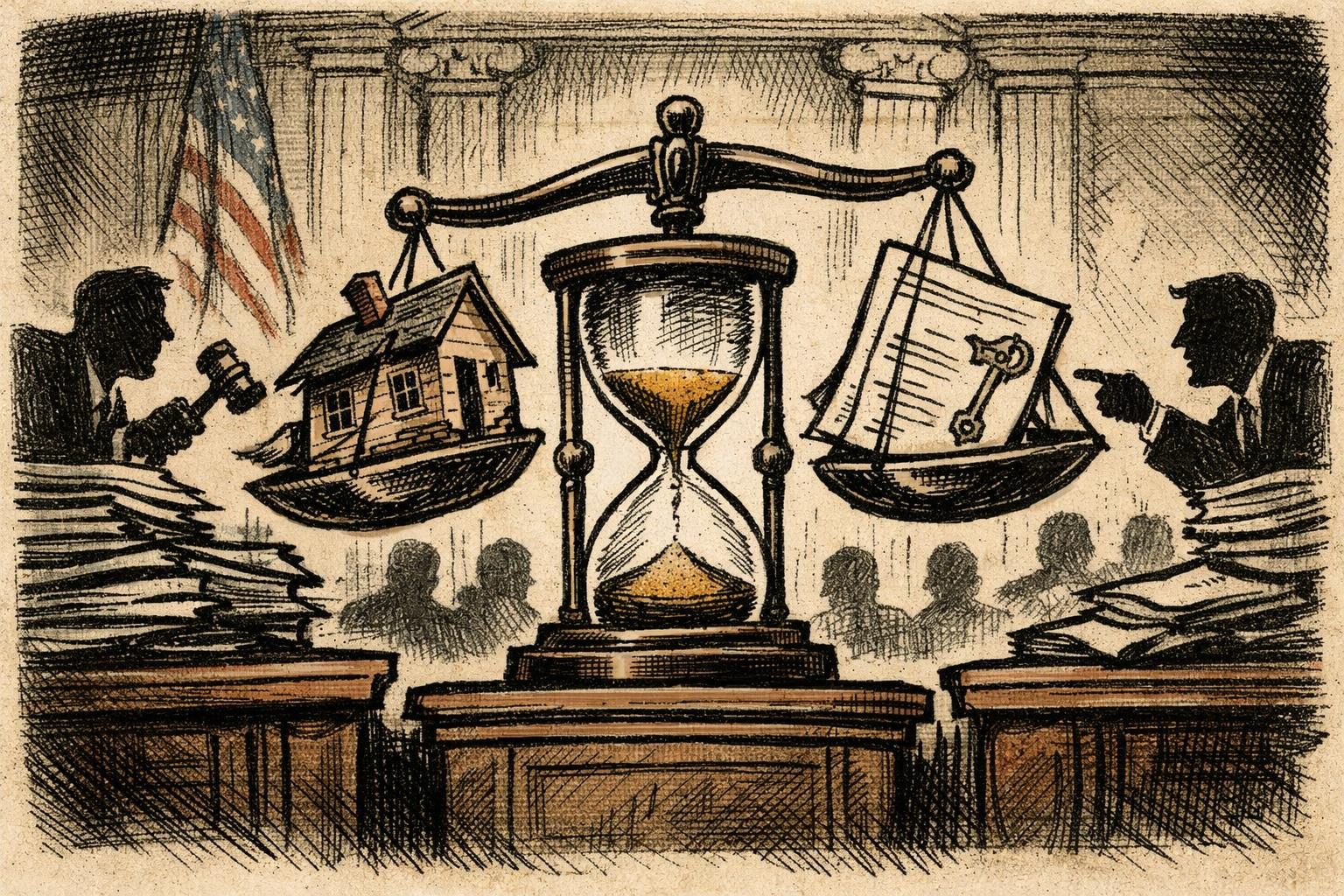
A federal housing dispute shifted again on August 15, adding another layer of urgency to a policy fight that has been moving through the courts and the bureaucracy at the same time. The latest step was procedural, but it still matters because procedural moves in cases like this often decide who has to comply, who gets a temporary reprieve, and how quickly enforcement can reach the ground. In housing regulation, those questions are never abstract for long. A delay can effectively soften a policy, while a fast-moving court order can make a rule bite before opponents have time to adjust. That is why the current round of filings is being watched so closely: the issue is not just what the government wants to do, but how much room it has to do it before the next legal obstacle appears.
What makes this dispute especially significant is that it sits at the intersection of landlord regulation, tenant protections, and the larger argument over how forcefully federal authorities should police housing practices. If the government is pushing ahead, property owners and managers may face new compliance obligations, revised notices, and the prospect of penalties if they fail to follow the rules closely enough. If the court slows or narrows the effort, tenants and advocates are likely to see that as a sign the policy is losing force before it ever fully takes hold. Either outcome has immediate practical consequences, which is part of why these cases generate so much tension. Once a judge starts defining who can be compelled to act and under what timeline, the dispute stops being a clean question of law and becomes a fight over how the housing market functions in real life. That is also why the stakes feel bigger than the specific filing that landed on August 15. The procedural posture may change from week to week, but the underlying battle is about whether federal enforcement can still produce meaningful consequences.
There is also a broader political dimension to the fight, even if the legal questions remain front and center. Supporters of stronger enforcement are likely to argue that anything less leaves tenants exposed and gives well-resourced property interests more room to stall accountability. From that perspective, court delays can look less like neutral process and more like a built-in advantage for the people with lawyers, paperwork, and time on their side. Defenders of the current movement will answer that the government cannot simply impose pressure without giving affected parties a fair chance to challenge the rules and the process behind them. They will frame restraint as a necessary check on overreach, not as a retreat from responsibility. Both sides are arguing over the same core fact: this is a live test of whether the government’s enforcement power has enough force to matter, or whether it can be slowed into something mostly symbolic. The argument is not theoretical, and the timing makes that impossible to ignore. When a case reaches the point where each new court step can alter the practical balance, even a procedural filing starts to carry real policy weight.
That is why the August 15 movement is important even without a dramatic headline attached to it. Housing disputes tend to turn on momentum, and momentum often belongs to whichever side can keep the case moving on its preferred track. A government that wants to enforce aggressively needs speed, clarity, and enough judicial room to act before the relevant behavior becomes entrenched. Opponents, by contrast, often benefit from uncertainty, because uncertainty buys time and time can reshape the practical outcome long before the final legal answer arrives. The result is a kind of deadline-day pressure that is familiar to anyone who has watched federal policy fights play out in court: every filing matters more because the next one could determine whether a rule is enforced now, later, or not at all. In that sense, the case has already become more than a narrow housing dispute. It is a test of how much authority the federal government can still bring to bear when its actions are challenged in real time, and whether courts will let that authority land with force or keep it tied up in process.
Comments
Threaded replies, voting, and reports are live. New users still go through screening on their first approved comments.
Log in to comment
No comments yet. Be the first reasonably on-topic person here.