
Federal court weighs another blow to the administration’s spending freeze tactics
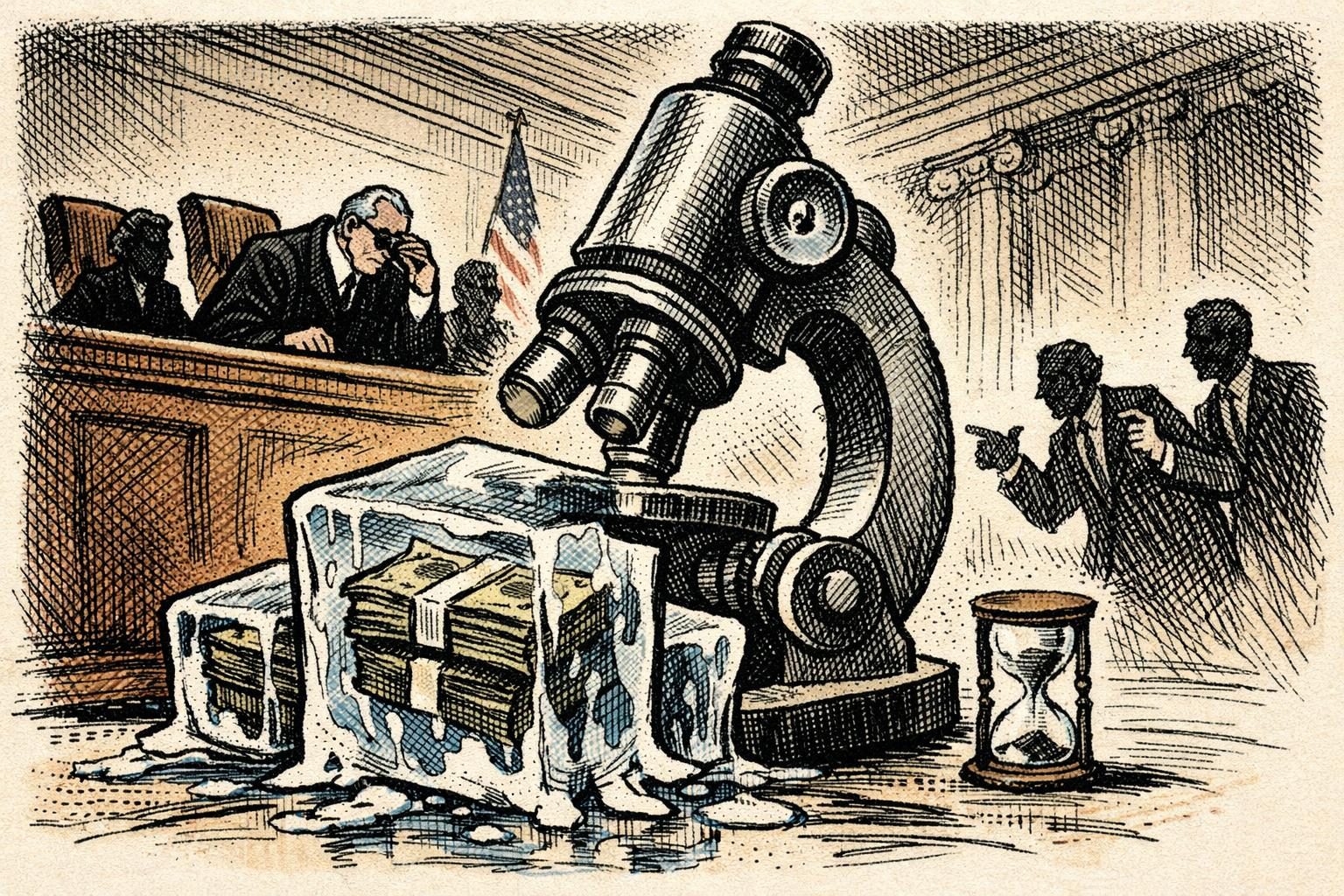
A new federal court development on August 15 has again put the administration’s handling of federal grants and spending under a microscope, with challengers arguing that the executive branch is still trying to reach the same policy outcome through delay, pressure, and administrative maneuvering that it may not be able to achieve cleanly in court. The dispute is less about a single accounting line than about a recurring question: when a court has already imposed limits, how far can the government go before a judge concludes that “compliance” is just a label attached to the same conduct in a different file folder? That question matters because federal spending fights are often presented as technical disagreements over process, but the effects are concrete and immediate. Money either moves or it does not, and when it stalls, states, nonprofits, hospitals, researchers, and local governments are the ones left scrambling to cover the gap. In that sense, the legal fight is also a practical test of whether federal commitments can be turned into bargaining chips after Congress has already set the rules.
The latest development appears to have sharpened tensions over whether the administration has respected prior judicial restrictions in good faith or merely adopted a more cautious vocabulary while preserving the same basic pressure campaign. That is the kind of distinction lawyers argue over and judges eventually have to translate into orders that can actually be enforced. If a court believes the government has crossed from lawful administration into evasive obstruction, it can respond with tighter supervision, clearer deadlines, and more pointed commands about what must happen and when. If the government has in fact been trying to comply, it will need to show more than general assurances and bureaucratic paperwork. Courts do not usually reward vague gestures when the issue is whether a public program is being choked through administrative delay. They expect a record that demonstrates actual movement, not just the appearance of one.
Critics of the administration say the pattern looks less like open defiance than like defiance hidden inside the machinery of government, which is often the more difficult version to prove and the more frustrating version to stop. They argue that the executive branch is using pauses, reviews, internal bottlenecks, and procedural sequencing to do indirectly what it cannot safely do directly. That accusation will land differently depending on how much deference a court is willing to give the government’s explanation for each step it takes. Still, judges are not obliged to accept a story simply because it is framed as administrative caution, especially when the practical result is that funds remain frozen, delayed, or conditionally held back. The broader institutional concern is that if one administration can effectively rewrite spending priorities after the fact by slowing the flow of money, then Congress’s power of the purse starts to look more theoretical than real. That is not a minor dispute over management style; it is a test of whether legal limits mean anything once an agency decides to be patient with itself.
The political stakes are just as significant, even if the details of injunction practice are lost on most voters. People may not follow every motion or order, but they understand when the government says it is obeying while the expected money still does not arrive. That gap between language and reality can become its own credibility problem, particularly when the affected programs are visible and the consequences are easy to explain. Hospitals do not have to care about the fine print of a procedural stay to know when a funding stream is unreliable. Local officials do not need a seminar on administrative law to see the effect of a delayed grant. If the challengers are right, the case will add to a larger narrative in which the administration keeps trying to convert executive convenience into executive authority and then acts surprised when courts object. If the government can show that it has genuinely complied, it may blunt that criticism for the moment, but it will still have to answer for why the fight keeps returning. Either way, this is no longer just a dispute over paperwork. It is a live test of whether the administration can keep using procedural friction as a substitute for lawful power, or whether the courts are finally prepared to treat that tactic as the problem rather than the workaround.
Comments
Threaded replies, voting, and reports are live. New users still go through screening on their first approved comments.
Log in to comment
No comments yet. Be the first reasonably on-topic person here.