
Federal jury convicts telemarketing fraud defendant in Virginia
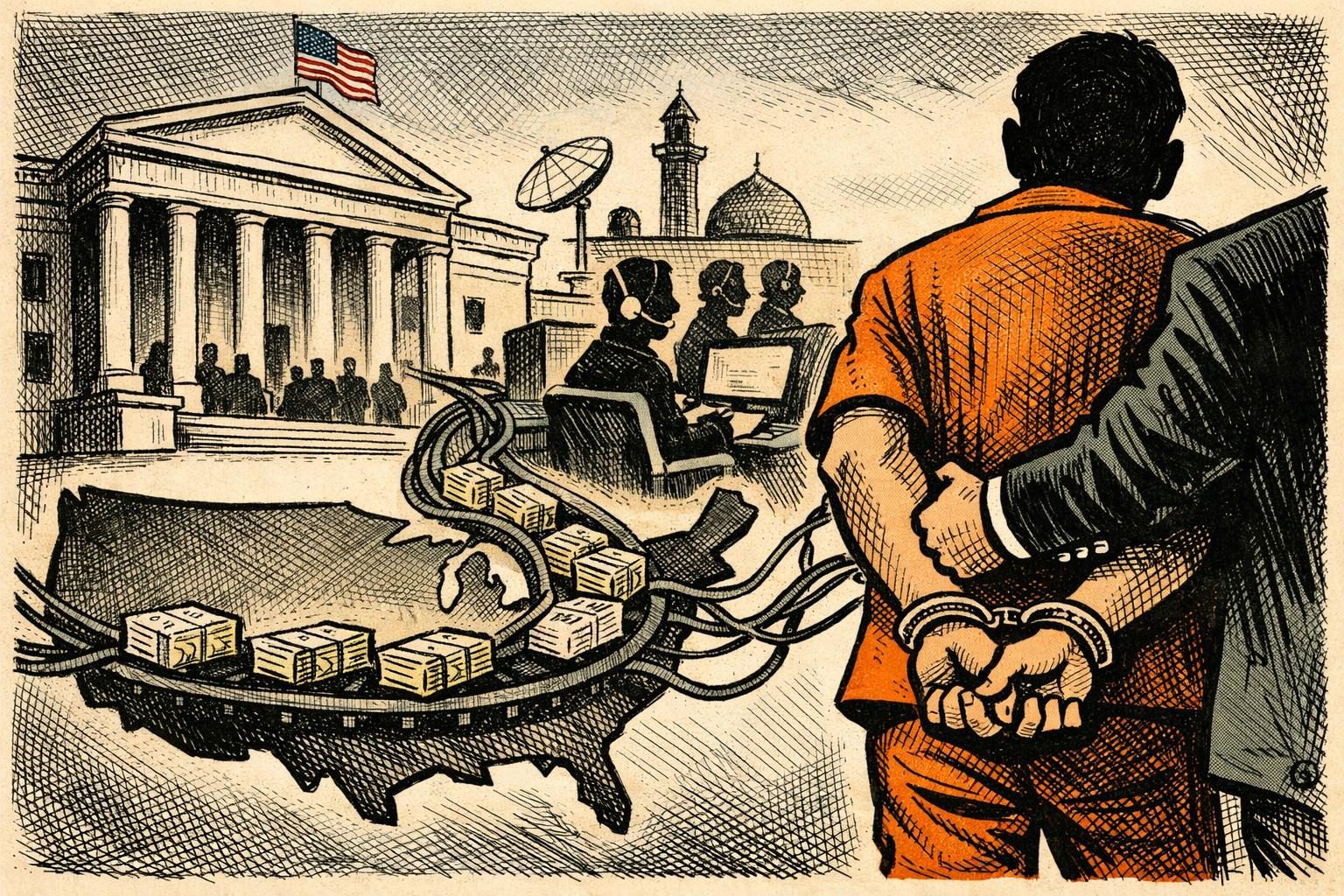
A federal jury in the Eastern District of Virginia has convicted a Poquoson man in a telemarketing fraud conspiracy that prosecutors say helped keep a sprawling scam operation moving through voice-over-internet technology and other communications infrastructure. The verdict is a concrete accountability milestone in a case that illustrates how modern fraud is often built less on a single smooth-talking caller than on a network of technical services, routing tools, and supporting players who make large-scale deception possible. According to the Justice Department, the scheme was tied to a Pakistan-based call center and reached millions of calls, giving the case a scale that goes far beyond a one-off scam. The government’s theory, as reflected in the conviction, was not just that misleading sales pitches were used, but that the defendant’s services helped provide the machinery that allowed the pitches to land at volume. That matters because fraud at this scale is rarely a matter of improvisation; it usually requires coordination, infrastructure, and a willingness to turn consumer trust into a commodity.
Cases like this are especially important because they show how far telemarketing fraud has evolved from the old image of an isolated boiler-room operation. Today, the plumbing can be as important as the pitch: VoIP systems, call routing, caller-ID manipulation, and overseas call centers can all be used to obscure where calls are coming from and who is really benefiting from them. Prosecutors have increasingly treated that infrastructure as part of the scheme itself, not merely a neutral service sitting on the sidelines. This conviction suggests a jury accepted that view, at least on the evidence presented in court. For service providers, vendors, and technical intermediaries, the message is hard to miss. The “we just provide the tools” defense gets thinner when the tools are repeatedly used to move millions of fraudulent calls into American homes and businesses. That is one reason this verdict is more than just another criminal case; it is part of an ongoing effort to make the enablers of fraud answer for the scale they help create.
The consumer-protection stakes are substantial, even if the harm can feel diffuse when described in legal language. Telemarketing fraud schemes often lean on pressure, impersonation, or false promises to get people to act quickly before they can verify what is happening. Older adults and other vulnerable targets are frequently the ones most likely to be reached and least likely to have the time, energy, or technical familiarity to spot the trap in time. When a campaign runs through millions of calls, even a small conversion rate can mean a large number of victims and a lot of money siphoned away. The damage is not just financial, either. Victims can be left embarrassed, confused, and less willing to trust legitimate calls from businesses, doctors, banks, or government offices. A guilty verdict cannot restore what was lost by every person touched by the scam, but it can help establish a record of responsibility and create a path toward restitution, sentencing consequences, and future enforcement pressure. In that sense, the jury’s decision is both backward-looking and forward-facing: it addresses one defendant’s role while warning others who profit from fraud that the risk of exposure is real.
The available details point to a case with wider significance, but the sourcing also argues for restraint. The conviction comes from a district-specific Justice Department announcement, which is a strong primary source but still only one official account at this stage. That means the core facts are solid enough to report with confidence, while some broader implications should be framed carefully until more court records, sentencing details, or related filings become available. Even so, the verdict itself is enough to mark this as a meaningful enforcement outcome. It shows federal prosecutors continuing to push telemarketing fraud cases not just against callers and ringleaders, but against people whose technical services allegedly kept the operation operating at scale. If the case reaches sentencing on the timeline expected, there will likely be additional details about the scope of the harm, the defendant’s role, and any restitution or forfeiture issues the court considers. For now, the important fact is straightforward: a jury found the government proved its case, and one more piece of the fraud economy has been exposed to public scrutiny and judicial consequence.
Comments
Threaded replies, voting, and reports are live. New users still go through screening on their first approved comments.
Log in to comment
No comments yet. Be the first reasonably on-topic person here.