
Justice Department launches a 15-city anti-Semitism tour as enforcement heat rises
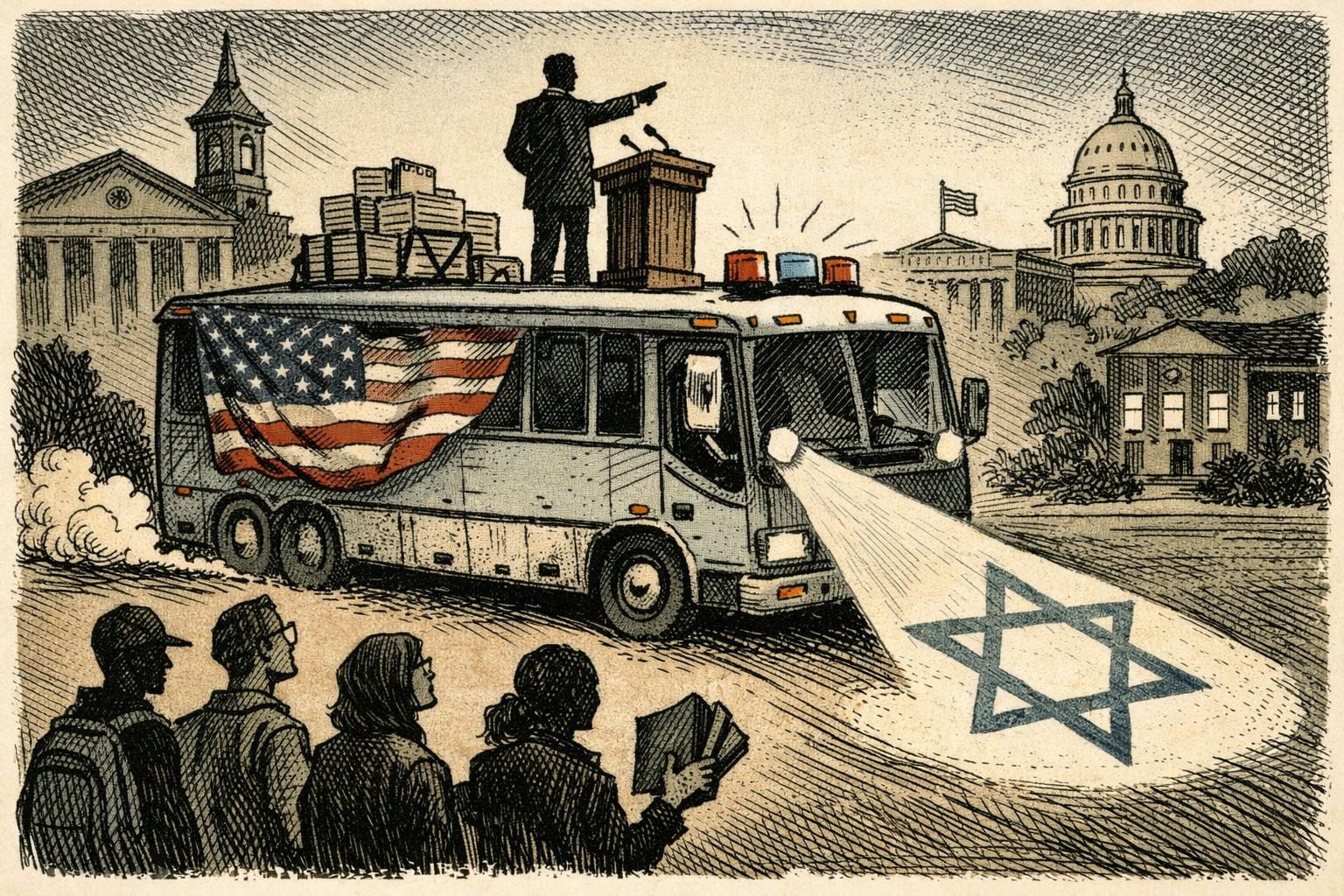
The Justice Department has rolled out a 15-city national awareness and action tour focused on anti-Semitism, turning a civil-rights problem that has simmered for years into a more organized federal campaign. The task force behind the effort updated its public materials on Aug. 15, 2026, signaling that this is not just a one-off announcement or a ceremonial speech circuit. It is being framed as a real initiative with a public schedule, a defined policy purpose, and a message aimed well beyond Washington. That matters because federal attention does more than raise awareness; it can change how institutions behave when they know they are being watched. In the current climate, where anti-Semitic harassment and intimidation remain a serious concern on campuses, in schools, and in public life, the decision to launch a multi-city tour is itself a political and legal signal.
The most immediate significance of the tour is that it gives the Justice Department a more visible platform for civil-rights enforcement at a time when anti-Semitism has become one of the most combustible issues in American public life. A federal agency does not typically spend time and resources moving city to city unless it wants to shape the conversation, prod institutions, or lay the groundwork for action. That can include guidance, outreach, complaints, investigations, or pressure on organizations that may not have kept pace with the problem. Universities and school systems are likely to pay close attention, as are local governments and public institutions that have already faced scrutiny over how they respond to threats, harassment, and discriminatory conduct. Even when a tour does not immediately produce enforcement, it can still have consequences by putting administrators on notice that their policies, training, and response procedures may be examined more closely. In that sense, the tour is not merely educational; it functions as a compliance signal.
This also fits a broader pattern in which civil-rights enforcement is increasingly operating as both legal response and political theater. The government is not just trying to resolve complaints quietly in the background. It is also trying to show that it sees the issue, prioritizes it, and is willing to spend public time on it. That can be an asset if the goal is to elevate the seriousness of anti-Semitic threats and make institutions more responsive. It can also create skepticism if the effort looks like branding without a clear enforcement payoff. Supporters are likely to argue that the tour is overdue, especially given the persistence of threats and incidents that have left many communities feeling exposed. They will say the federal government should be visible, direct, and persistent when it comes to hate and intimidation. Critics, meanwhile, may wonder whether a touring campaign can do much more than generate headlines, especially if it does not lead quickly to investigations, settlements, or concrete policy changes.
The uncertainty is important here because the public evidence is stronger on the announcement than on measurable results. The Justice Department has made the launch real enough, and the 15-city scope suggests planning rather than symbolism. But the downstream effect will depend on what happens in each stop, who the department meets with, and whether the tour turns into a vehicle for actual enforcement or institutional reform. If it produces stronger guidance, sharper compliance expectations, or legal action where necessary, it could become a meaningful chapter in federal civil-rights work. If it remains mostly rhetorical, it may be remembered as another example of the government trying to project seriousness without changing much on the ground. That tension is familiar in Washington, where agencies often want the public benefits of action before the hard work of action itself is visible. In this case, the administration is clearly choosing to be seen acting loudly and repeatedly on a sensitive issue.
What happens next will tell us whether this is a durable civil-rights campaign or a temporary burst of federal attention. The answer will likely come from the places the tour visits and the follow-through that follows those visits. Schools, campuses, and public institutions may begin revisiting policies, training staff more aggressively, or tightening reporting procedures simply because they expect scrutiny. That alone can matter, even before a formal investigation begins. But the real test is whether the tour changes outcomes for people who face anti-Semitic intimidation, rather than just changing the language institutions use to describe the problem. For now, the launch is a current and consequential federal development, and it carries the weight of a government trying to make a public point about civil rights while leaving the door open to enforcement if the situation calls for it.
Comments
Threaded replies, voting, and reports are live. New users still go through screening on their first approved comments.
Log in to comment
No comments yet. Be the first reasonably on-topic person here.