
Labor enforcement is still running into the buzzsaw
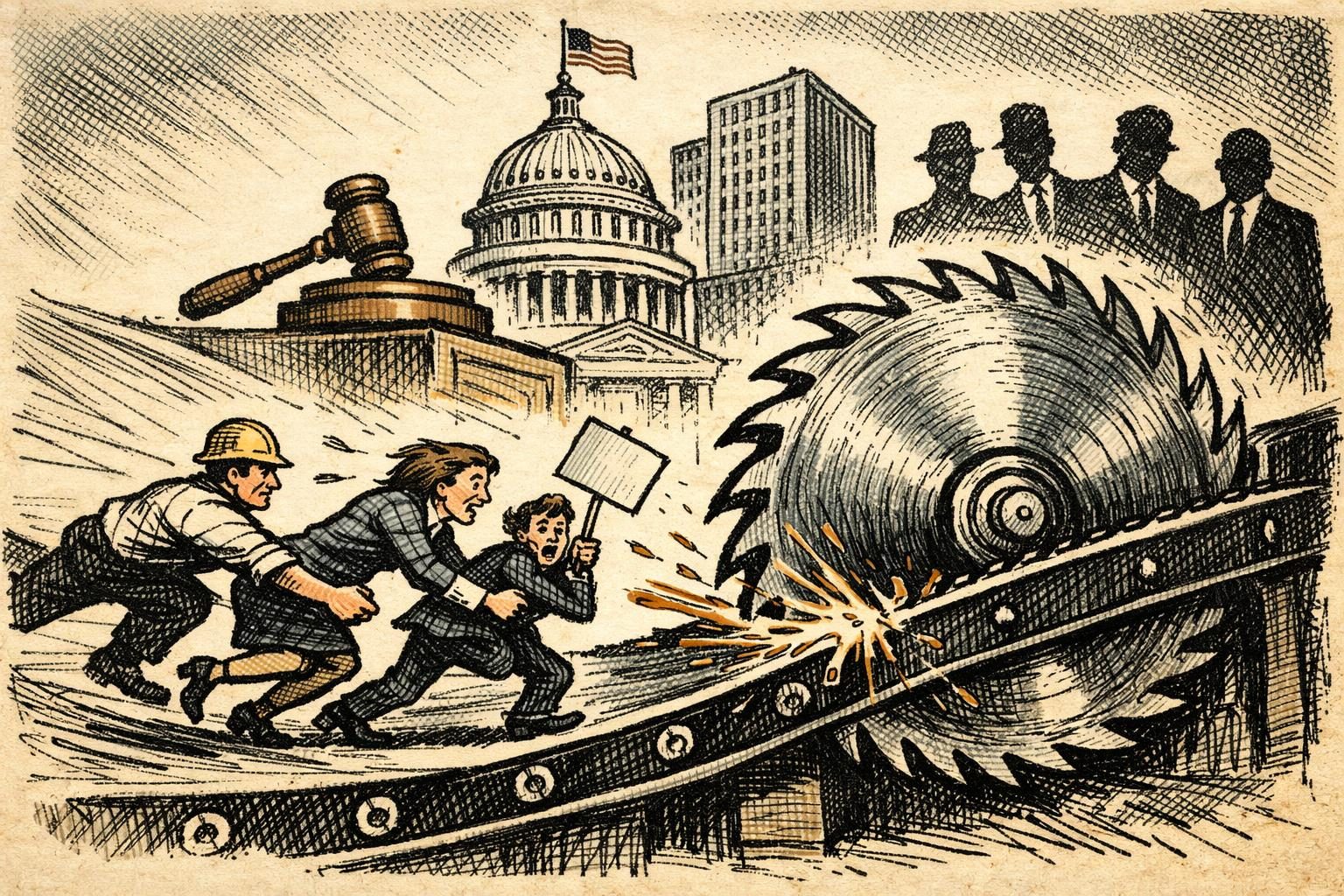
A new federal move on August 15 changed the immediate terms of an already tense labor fight, and it did so in a way that matters far beyond the procedural language surrounding it. The action does not settle the underlying dispute, but it does shift the leverage available to workers, unions, employers, or an agency caught in the middle. That is the part worth paying attention to, because these cases are rarely about a single filing or order on its own. They are about who gets to keep moving, who has to pause, and who is forced to spend time and money responding to a changed legal landscape. In labor politics, that can be enough to determine whether a campaign advances or stalls. And in a system that likes to speak in the soothing language of process, it is often in these supposedly technical moments that the real rules become visible.
That is why the latest development lands as more than just another entry on a docket or another announcement from Washington. Labor conflict is one of the places where the gap between rhetoric and reality becomes easiest to see. Officials routinely talk about the dignity of work, the importance of collective bargaining, and the need for fair treatment, but those commitments tend to get stress-tested the moment workers actually try to assert power. Then comes the familiar machinery: legal objections, procedural hurdles, deadlines, standards of review, and broad claims about administrative necessity or constitutional limits. Those arguments are not always illegitimate on their face, but they often function as the vocabulary of delay and dilution. The practical effect is to make labor rights easier to acknowledge in principle than to enforce in practice.
The federal action this week fits into that broader pattern because it can change the operational calculus immediately, even before any final legal conclusion arrives. Depending on the posture of the case, it may delay organizing activity, reshape bargaining pressure, alter compliance duties, or redefine what the next challenge looks like for the parties involved. That kind of shift is not some small administrative footnote. It can change whether an employer feels restrained or emboldened, whether a union has room to maneuver, or whether a federal agency can continue acting under the same assumptions it had before. Even where the exact long-term outcome remains uncertain, the near-term effect is concrete enough to matter. Labor disputes often turn on timing as much as doctrine, and timing is exactly what these moves can control.
The larger significance is that this is happening against a backdrop in which labor enforcement remains under constant pressure from every direction. Agencies are asked to do more with less, courts are asked to sort out claims that can carry enormous economic consequences, and political leaders often prefer labor peace as a slogan rather than as an actual governing commitment. In that environment, even a narrow ruling or a targeted enforcement step can signal something bigger about where the system is headed. If the move holds, it may encourage more aggressive tactics in comparable cases and tell employers or agencies that the boundaries have shifted in their favor. If it is reversed or narrowed, that would not erase the fact that the dispute has already revealed how unstable the terrain is. Either way, the message is the same: labor rights remain conditional in practice, and the institutions that claim to protect them still seem perfectly comfortable treating that condition as normal. For workers and unions trying to operate inside that framework, the buzzsaw is not a metaphor. It is the operating environment, and the fight over who controls it is still very much underway.
Comments
Threaded replies, voting, and reports are live. New users still go through screening on their first approved comments.
Log in to comment
No comments yet. Be the first reasonably on-topic person here.