
DOJ’s OpenAI settlement turns a discrimination case into a $3.2 million cautionary tale
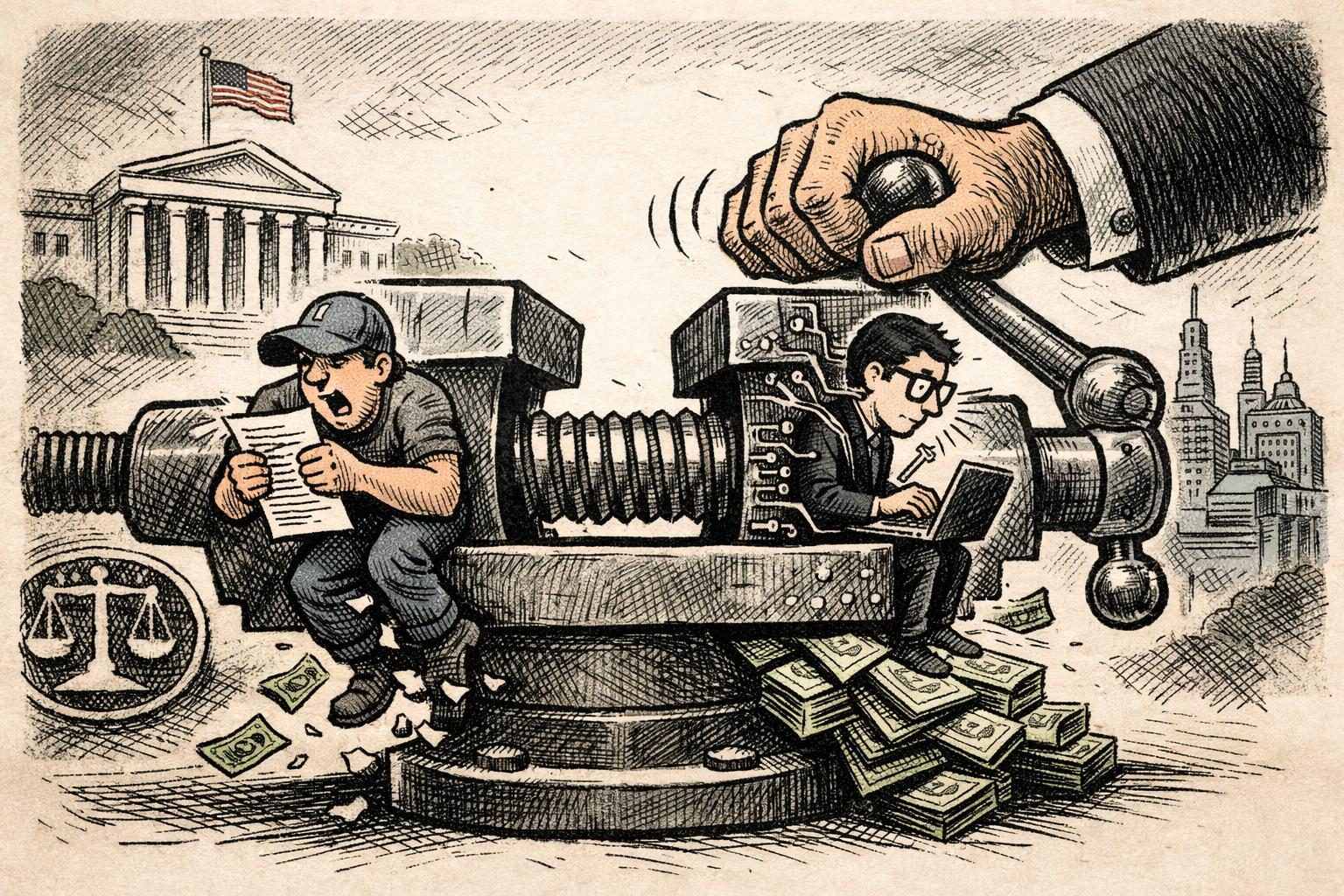
The Justice Department says it has reached a $3.2 million settlement with OpenAI and its subsidiary Statsig after finding what it described as discriminatory hiring practices against U.S. workers during the recruitment process tied to permanent labor certification. The announcement, made on August 15, marks a formal enforcement action rather than a warning shot, and it lands in the middle of a broader federal push to scrutinize how companies advertise jobs, evaluate applicants, and justify the use of foreign labor pathways. Under the deal, the companies must change recruitment practices, revise policies, train staff, and submit to federal oversight. For the government, the agreement is being presented as a concrete remedy for alleged violations in a process that is supposed to protect U.S. workers before employers sponsor a foreign national for permanent employment. For the tech industry, it is another reminder that compliance risks are no longer limited to paperwork errors or obscure back-office disputes.
The size of the penalty matters, but not only because $3.2 million is a meaningful sum. What makes the case notable is that it involves a highly visible artificial intelligence company at a time when tech hiring practices are under unusual political and regulatory scrutiny. The administration has shown it is willing to use workplace enforcement tools aggressively in cases that touch on citizenship status, labor certification, and access to jobs. That approach is likely to resonate with people who argue companies have too often treated the PERM process as a formality instead of a genuine test of whether U.S. workers were considered fairly. It will also strike critics as part of a larger pattern in which labor enforcement and immigration politics overlap so neatly that the distinction can become hard to spot. Either way, the settlement signals that the federal government is prepared to police the recruiting funnel more closely than many employers may have assumed.
At the center of the issue is the logic of the permanent labor certification process itself. Employers who want to sponsor a foreign worker for permanent residence are supposed to test the labor market and document their efforts to recruit U.S. workers first. In theory, that process should create a level playing field, ensuring that domestic applicants are not sidelined by hidden preferences or job descriptions tailored to one candidate. The Justice Department’s announcement suggests the agencies involved believed something in OpenAI and Statsig’s recruiting practices crossed the line from legitimate hiring to unlawful discrimination. The precise details of the alleged conduct matter less here than the broader warning the government is sending: if a company wants access to this immigration channel, it cannot structure recruitment in a way that makes U.S. workers effectively invisible. For employers, especially those with sophisticated legal and HR teams, the message is that the burden is not just to file the right forms but to be able to defend the substance of the hiring process itself.
The settlement is also likely to have an outsized effect because of who is involved. OpenAI is one of the most closely watched names in artificial intelligence, and any federal action involving the company carries symbolic weight well beyond the immediate facts of the case. Tech employers already face constant tension between the need for specialized talent and the political pressure surrounding visas, labor markets, and domestic hiring. This agreement adds another layer of risk, pushing recruiters and compliance teams to be more careful about how jobs are posted, how candidates are screened, and how decisions are documented. It may encourage companies to tighten internal procedures and treat every step of the certification process as if it were already under review. Supporters of the settlement will say that is exactly how enforcement is supposed to work when there are concerns about fair access to employment. Skeptics will see it as a warning that the federal government is using a high-profile case to make an example of a company in an already fraught sector. Either interpretation points to the same practical outcome: a sharper compliance climate for tech hiring, and a federal government signaling that it intends to keep pressing the issue.
Comments
Threaded replies, voting, and reports are live. New users still go through screening on their first approved comments.
Log in to comment
No comments yet. Be the first reasonably on-topic person here.