
The Senate’s executive calendar stays jammed as nominations pile up
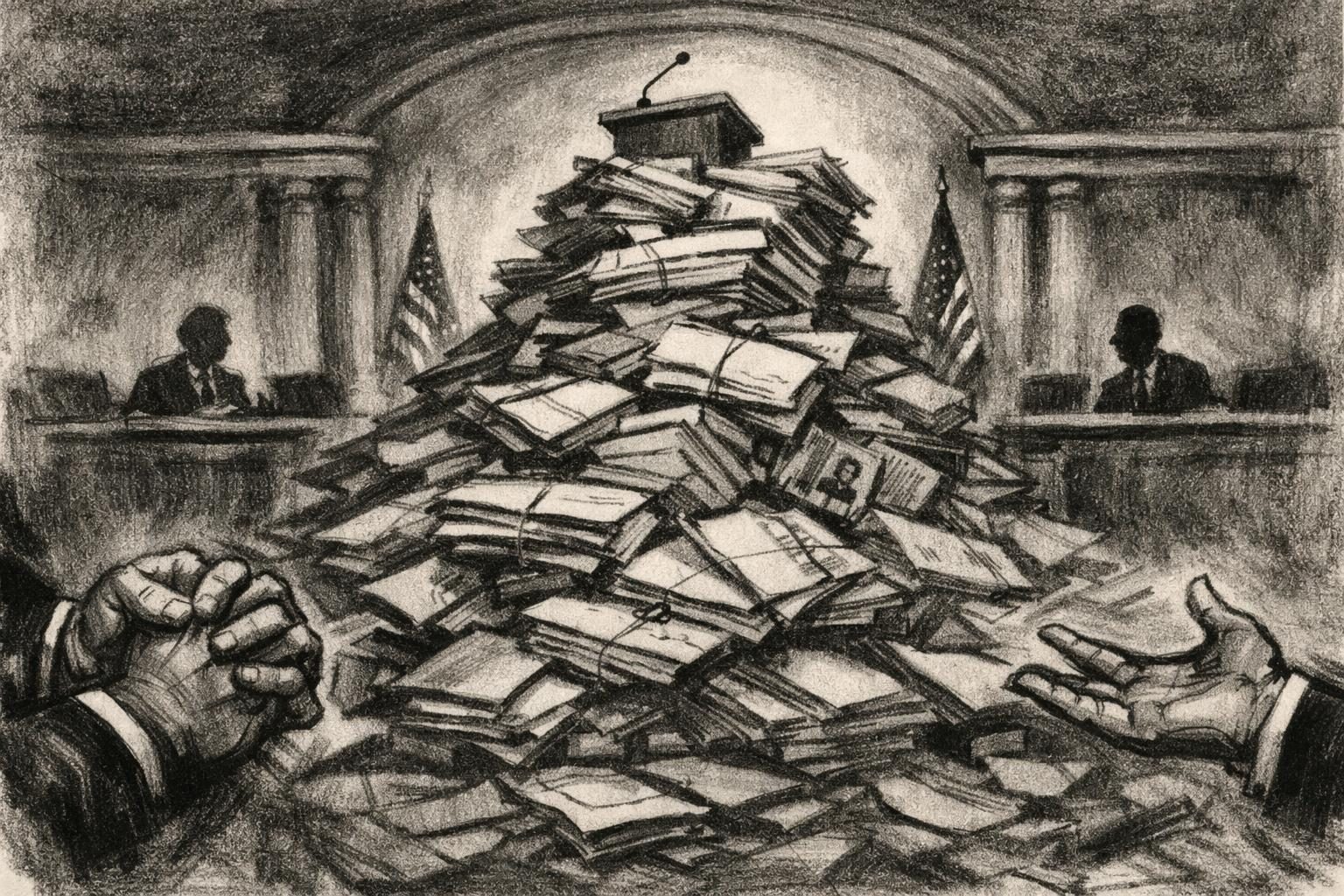
The Senate’s executive calendar is still doing what it has been doing for months: quietly advertising a confirmation system that cannot seem to keep up with the number of people the president wants installed in government. By mid-August, the chamber was still carrying a long list of pending nominations, and that backlog is not some decorative bit of congressional paperwork. It is the public record of a bottleneck that keeps the federal government moving at less than full speed. The calendar does not scream, but it makes the problem hard to deny. Every name that sits there unresolved is another reminder that basic governing can be stalled by procedural drag, partisan distrust, or simply the sheer volume of work the Senate refuses to process quickly.
That matters because the confirmation process is not a side quest in Washington. When departments, commissions, and agencies spend weeks or months waiting for leaders to be confirmed, the government starts leaning harder on acting officials and interim arrangements. Those stopgaps can keep the lights on, but they are not the same as having a fully empowered appointee in place. A large backlog can affect national security, justice, labor, health, and a long list of other functions that depend on steady leadership and clear authority. It can also leave agencies less able to plan, less able to set policy, and less able to respond decisively when new problems emerge. In practice, that means the Senate’s delay does not just inconvenience nominees; it slows the machinery of government that ordinary people are supposed to rely on.
The deeper issue is that vacancies do not distribute their pain evenly. When the Senate moves slowly, the burden falls on career staff, acting officials, and whatever ad hoc chain of command can be assembled to fill the gap. That can create a government that still operates on paper but becomes more improvisational in real life. Decisions get deferred, oversight gets thinner, and accountability gets murkier because temporary leaders often have less political cover and less room to make durable choices. Supporters of a slowdown will say the chamber has every right to scrutinize nominees closely, and in some cases that scrutiny is plainly warranted. But when the calendar remains jammed across a broad set of positions, the pattern starts to look less like careful review and more like structural dysfunction. The result is not just fewer confirmations; it is a weaker version of government that depends too much on people who were never intended to carry the load for long.
The Senate’s own records are what make the problem so difficult to spin away. The executive calendar is essentially a paper trail of unresolved nominations, and if that trail keeps lengthening or clearing only at a crawl, it tells a story all its own. The story is not necessarily that every nominee is stalled for the same reason, or that every delay is partisan in the same way. Some nominations move faster than others, some may be genuinely controversial, and some vacancies may reflect the inevitable friction of a divided chamber. But the aggregate picture still points to a government that is being asked to do more with less certainty and less continuity. Even if a batch of nominees eventually gets through, the lost time does not come back. Weeks or months spent waiting for confirmation are weeks or months in which agencies operate with diminished leadership, and that is real governance lost to delay. The calendar may be a dry document, but right now it reads like evidence of a system that keeps putting off the work it says it wants to do.
Comments
Threaded replies, voting, and reports are live. New users still go through screening on their first approved comments.
Log in to comment
No comments yet. Be the first reasonably on-topic person here.