
Treasury flags student-aid fraud schemes as scams keep chewing through taxpayers
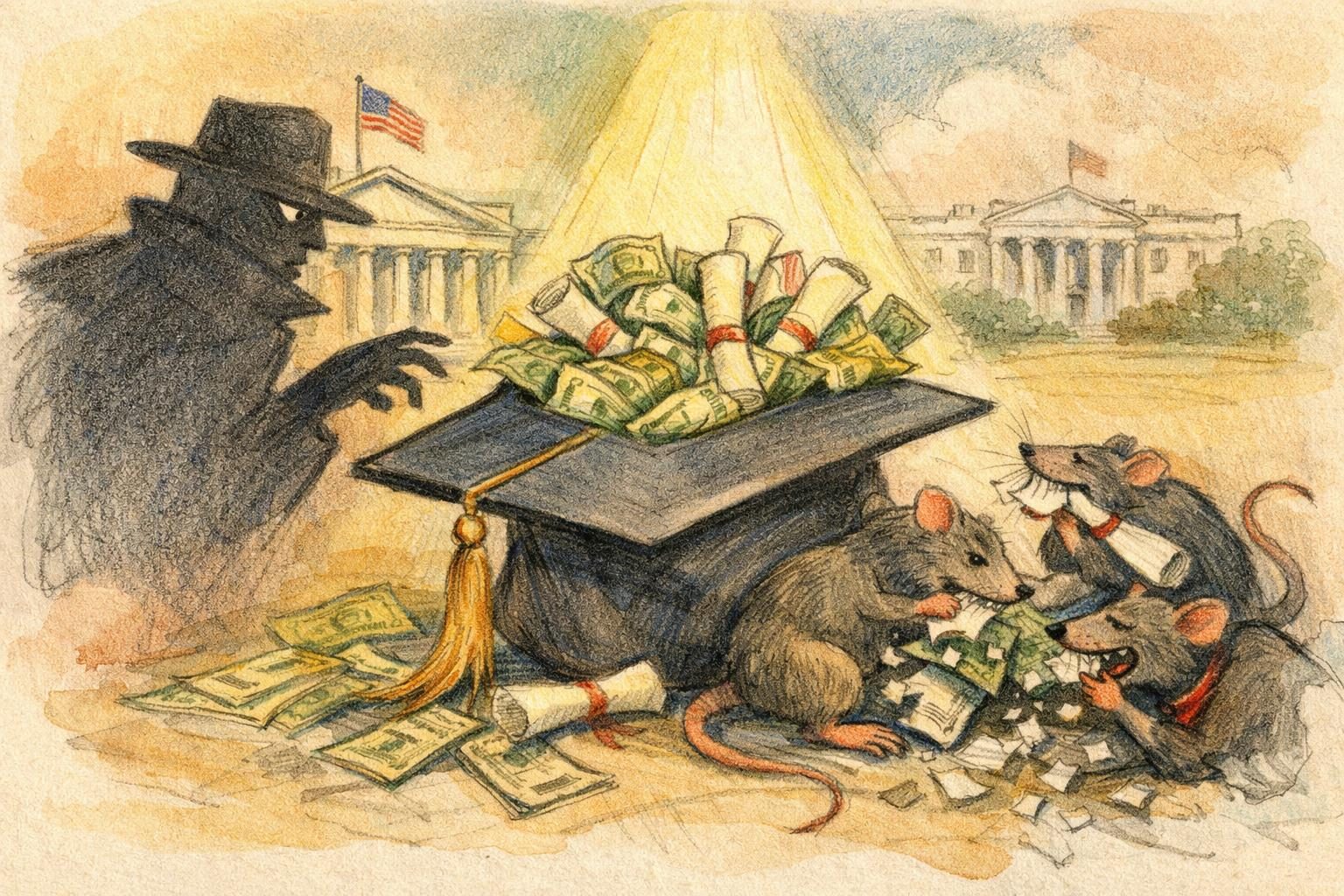
The Treasury Department has issued a fresh warning about fraud schemes aimed at federal student aid, putting a spotlight on a problem that has become stubbornly familiar: whenever there is a large, complex public benefits system with money moving quickly and imperfect checks, someone will try to game it. The alert does not suggest a single dramatic breach so much as a broad, ongoing pattern of criminals looking for weak points in the machinery that distributes aid to students and families. That matters because student aid is not a niche line item tucked away in a corner of the budget. It is one of the government’s most important tools for widening access to higher education, which also makes it an attractive target for scammers who know that small failures can add up fast. Treasury’s decision to go public underscores that the threat is not hypothetical, and that the costs are being felt far beyond the paperwork stage. Even when fraud is caught later, the money is often already gone, the records are already contaminated, and the cleanup falls on agencies and legitimate applicants alike.
The warning also says something uncomfortable about how federal oversight works in practice. Student aid fraud can involve stolen identities, fake applications, impersonation, or other schemes that exploit gaps in verification and eligibility checks. It can also take advantage of systems that are under pressure to process large volumes of applications quickly, which creates an enduring tension between access and security. If a fraud alert rises to the level of a Treasury notice, that suggests the issue is serious enough to warrant more than routine internal policing. It also raises the familiar question of whether the agencies involved have the staff, tools, and coordination needed to keep pace with increasingly organized scam operations. Federal programs often look sturdy from the outside, but they can be more brittle than advertised once criminals begin testing the seams. And when those seams open, legitimate borrowers and applicants are the ones who usually pay in the form of delays, extra documentation requests, or heightened scrutiny that can make an already difficult process more frustrating.
There is also a broader political context hanging over the alert. Supporters of aggressive deregulation and smaller government often promise that trimming oversight will produce a leaner, more efficient public sector, but fraud warnings like this one complicate that story. The reality is that when enforcement is weak, fragmented, or slow, scammers do not need to be brilliant; they just need enough room to operate before anyone notices. That is why the latest warning lands as more than a technical update. It is an argument, however implicit, that public systems require active oversight if they are going to function as intended. The Trump-era style of governance, with its suspicion of regulation and its willingness to talk down the administrative state, has left behind a culture in which the value of oversight is often treated as an afterthought until a scandal forces the issue. Whether that culture is the direct cause of any particular fraud scheme is harder to prove, but the connection between sloppy supervision and exploitable systems is not a hard one to make. When institutions are under-resourced or treated as obstacles rather than safeguards, bad actors tend to notice first.
The immediate response is likely to involve more screening, more warnings, and more pressure on education-related agencies to prove they can police the pipeline from application to disbursement. That could mean tighter verification, more review of suspicious filings, and greater coordination across agencies that touch the student aid process. It may also mean an awkward tradeoff: the stricter the defenses become, the more honest applicants may feel the pinch, especially if the new controls are clumsy or applied unevenly. Still, the alternative is worse, because a system that is too porous invites abuse and drains public dollars that are supposed to support real students. Treasury’s alert is therefore less a one-off announcement than another sign that fraud remains a live threat inside a major federal program. The larger reputational damage is hard to ignore, too. Every public warning like this tells taxpayers that another government system has become a target-rich environment for scammers, and that is not exactly a reassuring message for officials who want to sell the public on competence, stewardship, or fiscal discipline. If anything, it is another reminder that waste, fraud, and abuse are not abstract talking points. They are what happens when the people in charge are slow to notice that the people trying to steal from the system have already found the door.
Comments
Threaded replies, voting, and reports are live. New users still go through screening on their first approved comments.
Log in to comment
No comments yet. Be the first reasonably on-topic person here.