
Virginia’s hemp THC cap took effect, and the enforcement fight is on
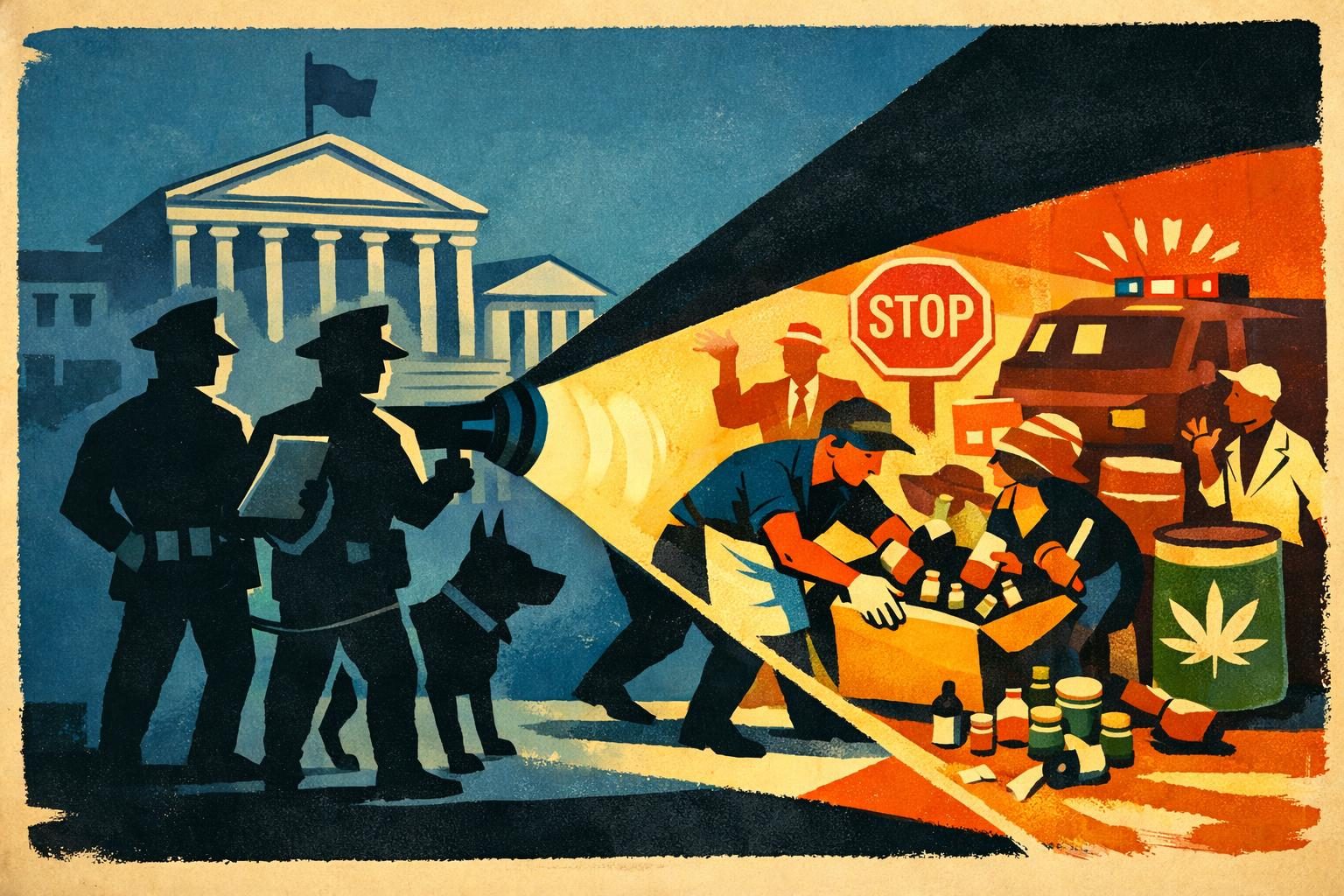
Virginia’s new hemp THC cap is now in force, and the effect is less of a gentle adjustment than a blunt market reset. As of August 15, 2026, the commonwealth is limiting total THC in hemp products to two milligrams per package, a standard that sharply narrows what can legally remain on shelves. State regulators say the rule is active, which means retailers, processors, distributors, and brand owners are no longer speculating about what might happen later; they are already in the middle of deciding what survives the change. Some products will likely be reformulated, some will be relabeled, and some may simply be pulled from sale because they no longer fit the new threshold. The fact that the rule landed on a Saturday only adds to the sense that Virginia chose to turn a complicated transition into a weekend emergency and then let the market sort out the wreckage.
The policy is aimed at a sector that has spent years benefiting from the hemp loophole and the awkward space between federally legal hemp and intoxicating cannabis products. For consumers, that space has often been marketed as a low-stakes alternative to alcohol or marijuana, even when the chemistry of the products and the quality of the labeling have varied wildly from one brand to the next. For regulators, that same space has been a headache: too many product forms, too much ambiguity, and too little practical ability to tell which items are truly compliant without digging into testing methods and package design. Virginia’s new cap suggests the state has decided that the old system was too loose to police and too easy for sellers to exploit. The result is not just a tightening of one line in the code, but a message that hemp in Virginia is going to be treated less like a do-it-all consumer category and more like a controlled and closely managed one.
That creates an enforcement problem right away, because the law does not magically clear existing inventory out of stores the moment it takes effect. Retailers may have product on hand that was legal under prior rules or at least considered acceptable under the previous market understanding, but that same inventory can now sit in a gray zone if it exceeds the new limit. The practical question is obvious: what happens when shelves still hold goods that customers expect to buy, but the state no longer wants sold in that form? The answer is likely to depend on how aggressively regulators choose to inspect, how quickly businesses can adapt packaging and sourcing, and whether the state allows any kind of glide path for products already in commerce. Those details matter because a rule on paper is one thing; a statewide retail transition, especially in a fast-moving consumer market, is something else entirely. If Virginia’s goal is clean compliance, the first weeks and months after the cap’s effective date will determine whether that is realistic or mostly aspirational.
The business fallout could be significant, and not just for companies based inside Virginia. Hemp processors and sellers that operate across multiple states now have to manage a Virginia-specific standard that may not line up neatly with neighboring markets or existing product lines. That means more testing, more inventory sorting, more packaging changes, and in some cases the possibility that an item can be sold in one state but not another without reformulation. Trade groups and industry participants are likely to argue that the commonwealth is moving too quickly and forcing expensive write-downs on products that consumers had already been buying under a different rule set. Public-health advocates and law-enforcement supporters, by contrast, are likely to say the state is finally acknowledging what the market made obvious: a loosely regulated hemp sector can become a back door for intoxicating products that are hard to track and harder to police. The political fight is likely to center less on whether the market should be regulated and more on how strict the state should be, how fast the transition should happen, and who should bear the cost of cleaning up the mess.
What Virginia has done, in other words, is turn a long-running policy ambiguity into a deadline. That does not mean the market disappears overnight, but it does mean the days of casual compliance are over and the burden now falls on businesses to prove they belong in the new regime. The rule’s two-milligram cap may sound like a technical number, but in practice it is a market-shaping device that will decide which products remain viable and which become regulatory casualties. It also gives other states a fresh example of how aggressively a hemp market can be narrowed once lawmakers decide the old boundaries were too porous. The immediate result is likely to be confusion, inventory losses, and plenty of legal and operational second-guessing. The longer-term result will depend on how quickly Virginia enforces the standard, how the industry responds, and whether the new cap becomes a template for a broader crackdown or just one more messy state-level experiment in trying to put the hemp genie back in the bottle.
Comments
Threaded replies, voting, and reports are live. New users still go through screening on their first approved comments.
Log in to comment
No comments yet. Be the first reasonably on-topic person here.