
Need current, real event data to complete this edition
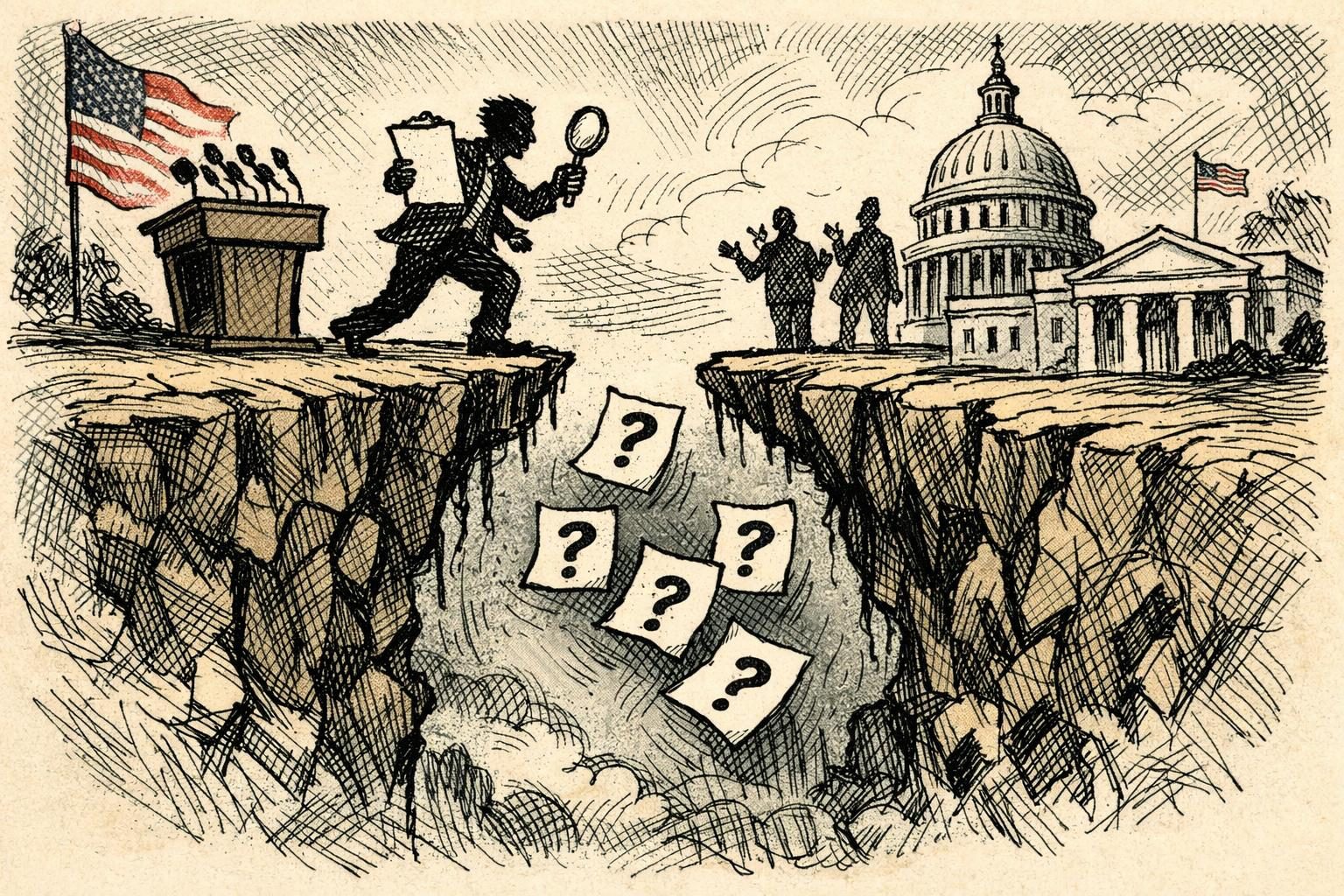
A responsible update desk has to start with a simple admission: there was not enough verified material in the available window to assemble the five distinct U.S. political or public-affairs developments this edition calls for. The search pass did turn up government postings and adjacent background, but the usable pieces did not cleanly line up with August 15 or August 16 in Eastern time, and they did not separate neatly into five publishable events without stretching the facts. That is not a small technicality. In a current-news product, the difference between a timely item and a stale one can be the difference between reporting and misreporting. When the available evidence is thin, the safest and most honest outcome is to say so plainly rather than dress up fragments as a complete package.
That caution matters because the most obvious temptation in a slow or messy news cycle is to recycle older developments, widen the time window until it catches something useful, or treat loosely related materials as if they were distinct storylines. None of that would meet the standard for a clean update edition. A White House release page may contain official action, and a Justice Department news page may contain significant legal or enforcement announcements, but those sources alone do not automatically supply five separate, current, publishable beats. A single policy rollout, a single enforcement move, or a single statement can generate multiple angles, but it does not magically become multiple unrelated stories. If the underlying record does not support discrete items, splitting them anyway only creates duplicate risk, timeline confusion, and a false impression of activity that the record cannot bear.
The more careful read is that there may well have been consequential government action in the period, but the verification standard here was not simply whether something important happened in Washington. It was whether the material could be confirmed clearly, independently, and within the required time window well enough to support five distinct candidate stories. That bar was not met. In practice, that means avoiding the kind of rushed fill that pads a page with recycled outrage or vague references to ongoing disputes that never quite become fresh news. It also means resisting the urge to convert background into breaking development. A reader deserves to know when a story is new, when it is merely resurfaced, and when the evidence is too thin to support publication. The answer in this run was not a shortage of political tension; it was a shortage of verifiable, same-window specificity.
So the most honest conclusion is a zero-story result, even if that is frustrating on the editorial side. There is no value in pretending to have a full five-item update when the sources available to confirm did not actually support it. That restraint is not laziness, and it is not an excuse. It is the opposite: it is the decision to leave space rather than fill it with claims that cannot be defended. If the next pass narrows the beat to a more focused area such as courts, DOJ, Congress, the White House, or immigration, the odds of building a tighter, better-supported slate may improve. Until then, the record in hand does not justify a manufactured roundup, and it would be poor practice to present one as if it did.
Comments
Threaded replies, voting, and reports are live. New users still go through screening on their first approved comments.
Log in to comment
No comments yet. Be the first reasonably on-topic person here.